Perched high above the forests of Madhya Pradesh’s Bundelkhand region, Ajaigarh Fort is not a destination you visit on impulse. It’s the kind of place you discover when you’re already exploring nearby landmarks like Panna National Park or the Khajuraho Temples and want to go one step deeper into the region’s history and landscape.
Set at an elevation of around 688 metres, the fort offers a rare combination of wilderness, ruins, and complete silence, something you won’t find at more commercial heritage sites. If your trip already includes wildlife safaris or temple architecture, Ajaigarh fits in as a quiet, offbeat addition rather than a standalone attraction.
Travellers exploring Central India wildlife circuits, including Kanha National Park, often include Ajaigarh as part of a broader itinerary covering multiple regions.
Is Ajaigarh Fort Worth Visiting?
Yes, but only if it fits your route. Ajaigarh isn’t about ticking off a famous fort. It’s about experiencing a place that feels almost untouched.
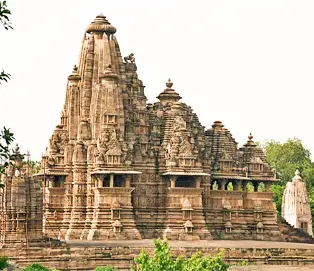
Compared to the highly structured and well-preserved experience of the Khajuraho Temples, Ajaigarh is raw, less maintained, and better suited for travellers who enjoy exploration over presentation.
Best for:
- Travellers combining Panna and Khajuraho
- History lovers who enjoy ruins over restored monuments
- Offbeat explorers who prefer no crowds and raw landscapes
Skip it if:
- You’re on a tight itinerary
- You prefer structured sightseeing with facilities
- You’re not comfortable with a short uphill trek
Time required : 2–4 hours
Effort level : Moderate (includes walking/trekking sections)
How Ajaigarh Fort Fits into Your Itinerary?
This is where Ajaigarh actually makes sense. Trying to visit Ajaigarh independently rarely makes sense. As part of this route, it fits perfectly.
Ideal Bundelkhand Route:
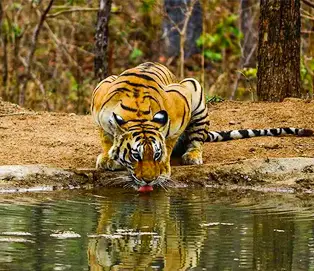
- Day 1–2 : Jungle safaris in Panna National Park
- Day 3 (Morning) : Visit Ajaigarh Fort
- Day 3 (Afternoon/Evening) : Explore Khajuraho Temples
When to place it in your trip:
Best visited after 1–2 safaris in Panna National Park, when you’re looking for a slower, non-safari day before moving onwards to Khajuraho.
Why this works:
- Minimal detour from Panna
- Adds historical depth after wildlife experiences
- Balances nature + architecture in one circuit
What You Actually Experience at Ajaigarh Fort?
Forget polished pathways and curated exhibits. Ajaigarh is raw. It feels less like visiting a monument and more like discovering one.
- A forested approach : The climb up takes you through quiet, untamed terrain
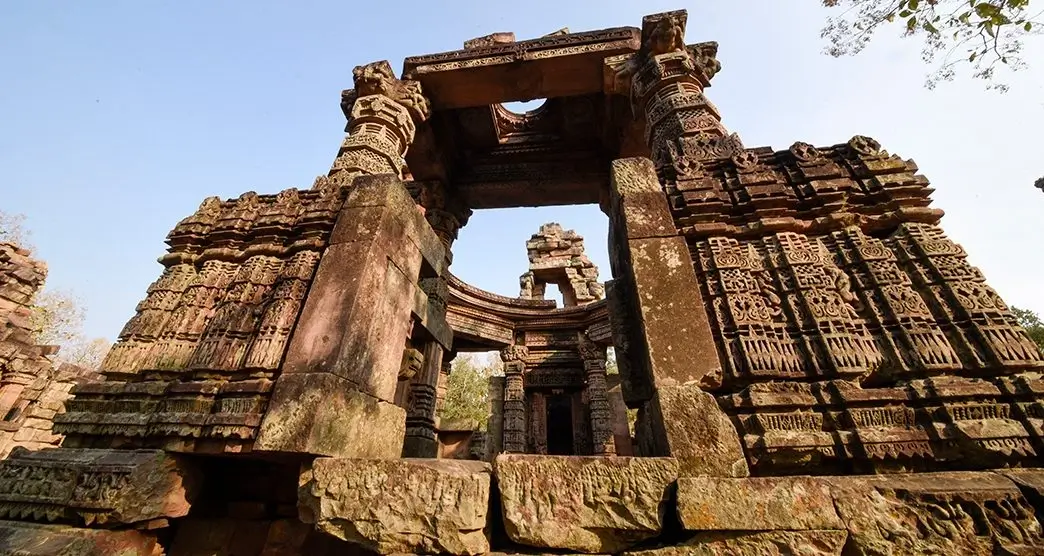
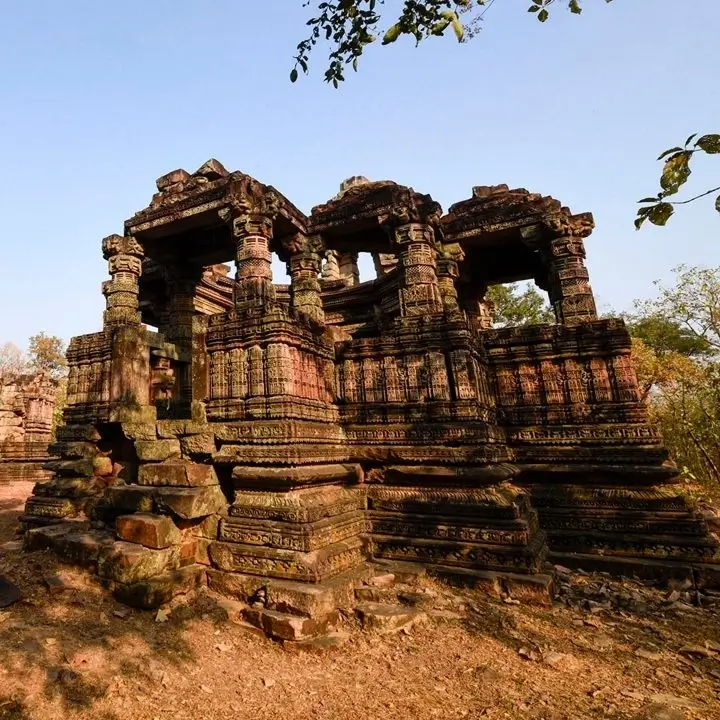
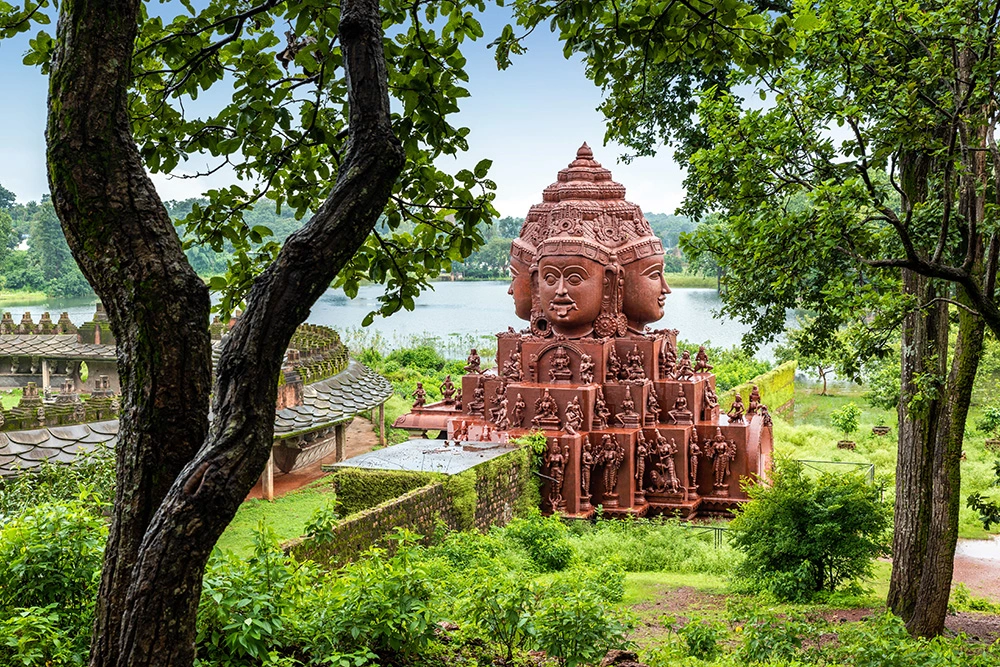
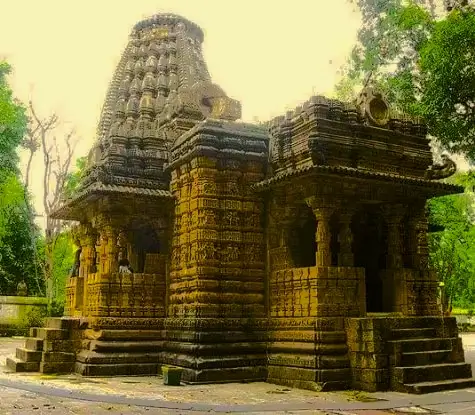
- Scattered temple ruins : Intricate carvings reminiscent of Khajuraho, but without crowds
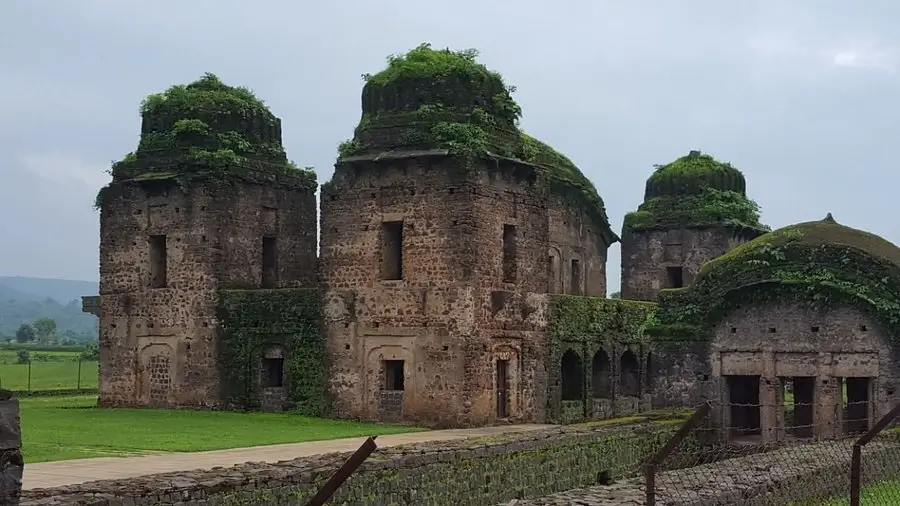
- Abandoned palaces : Crumbling structures that still hint at royal life
- Ancient water reservoirs : Kalindikund and Bhairavkund, once vital for survival during sieges
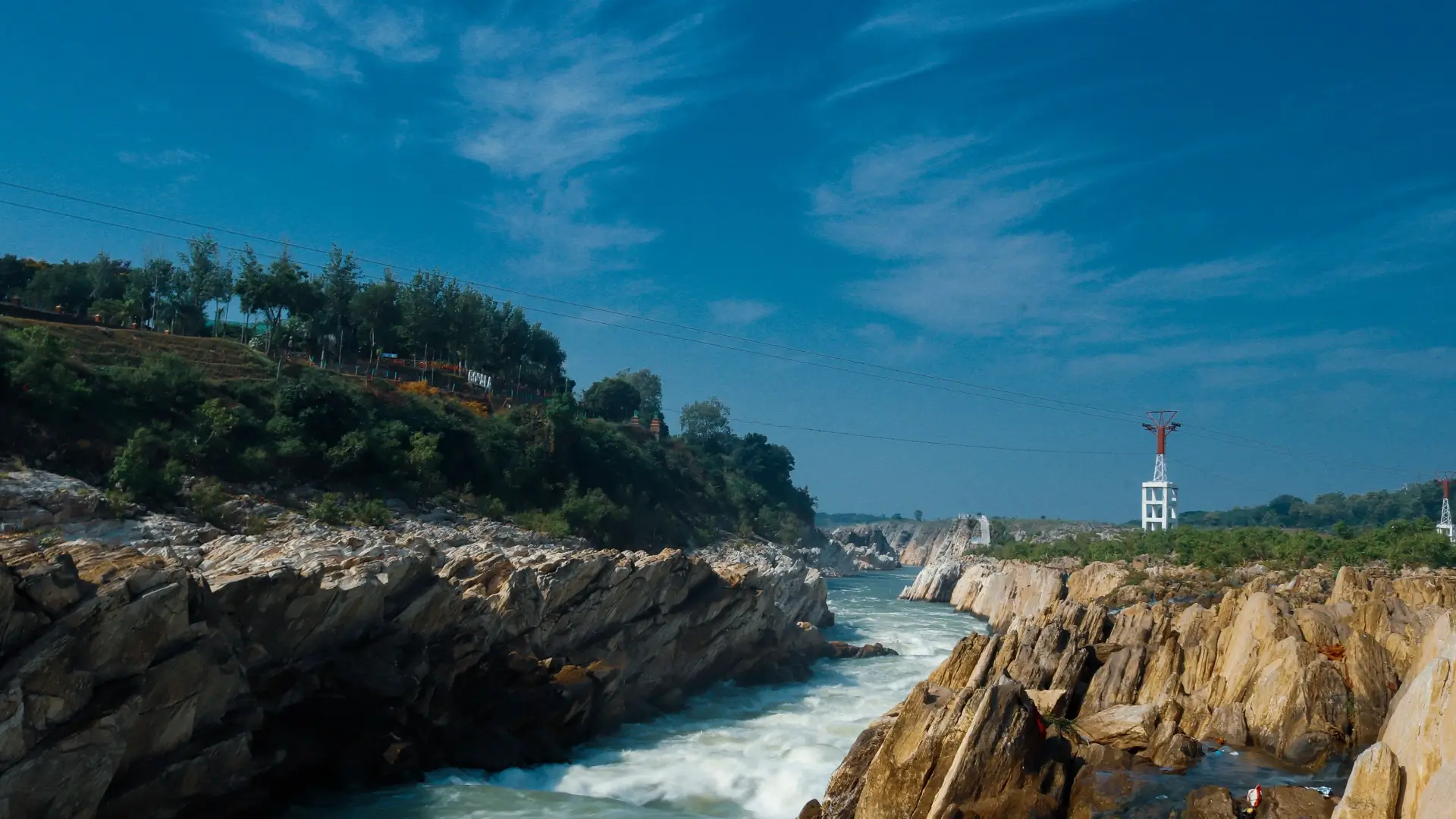
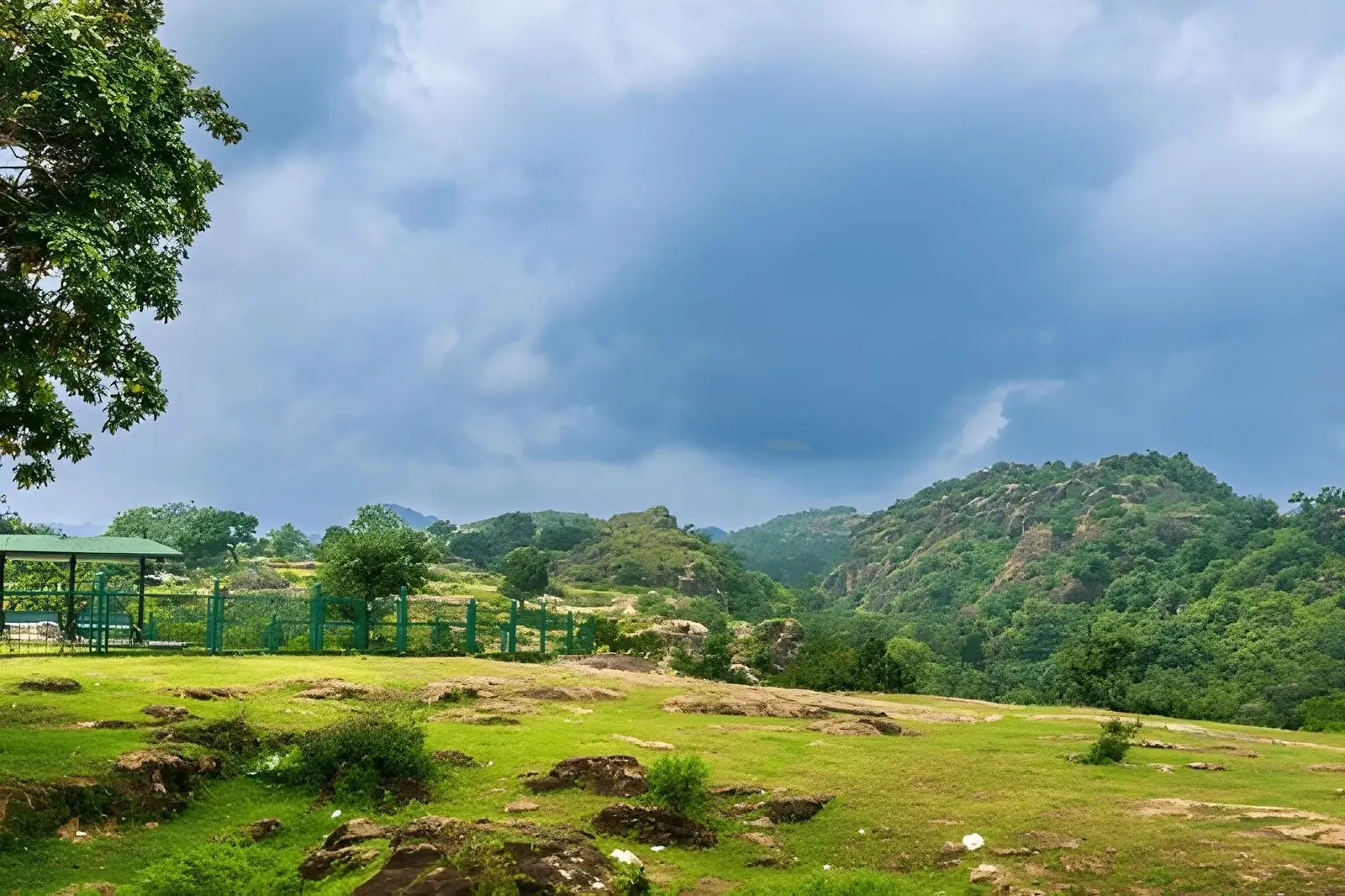
- Panoramic views : Sweeping vistas of the Vindhya ranges and surrounding forests
Why Ajaigarh Fort Matters (Beyond the Ruins)?
Built by the Chandela dynasty, the same rulers behind Khajuraho, Ajaigarh Fort served as a strategic military stronghold before becoming the capital of a princely state.
Its name translates to “unconquerable fort,” and the geography explains why: sheer rock faces and elevation made it nearly impossible to invade.
Over time, it passed through the hands of Bundelas, Marathas, and eventually the British, leaving behind a layered historical footprint that you can still see in its architecture.
Things to Know Before You Go
- There are no facilities (food, water, restrooms) at the top
- Signage is minimal; exploration is largely self-guided
- Mobile network can be patchy or unavailable
- Midday heat can make the climb uncomfortable, especially in summer
How to Reach Ajaigarh Fort?
Ajaigarh is best accessed as part of a broader Bundelkhand itinerary.
Distance:
- From Panna: ~50 km
- From Khajuraho: ~95 km
Best base:
Panna is the most practical base for visiting Ajaigarh Fort, especially if you are already staying there for wildlife safaris.
- By Air : Nearest airport – Khajuraho (well-connected to Delhi & Varanasi)
- By Rail : Satna (~100 km) is the closest major railway station
- By Road : Private taxis from Panna or Khajuraho are the most practical option /li>
- Reality check : Public transport exists, but it’s not reliable enough for tight itineraries.
Best Time to Visit Ajaigarh Fort
October to March is the most comfortable period, with cooler weather ideal for exploring and walking.
July to September (Monsoon):
- Lush greenery
- Scenic, but trails can be slippery
April to June (Summer):
- Extremely hot
- Not recommended unless combined with early morning visits
Travel Tips for Visiting Ajaigarh Fort
- Start early in the day to avoid heat and maximize visibility
- Wear proper walking shoes; terrain can be uneven
- Carry water; there are no facilities at the top
- Combine with Panna or Khajuraho; avoid standalone planning
- Keep at least half a day's buffer in your itinerary
Why Include Ajaigarh Fort in Your Trip?
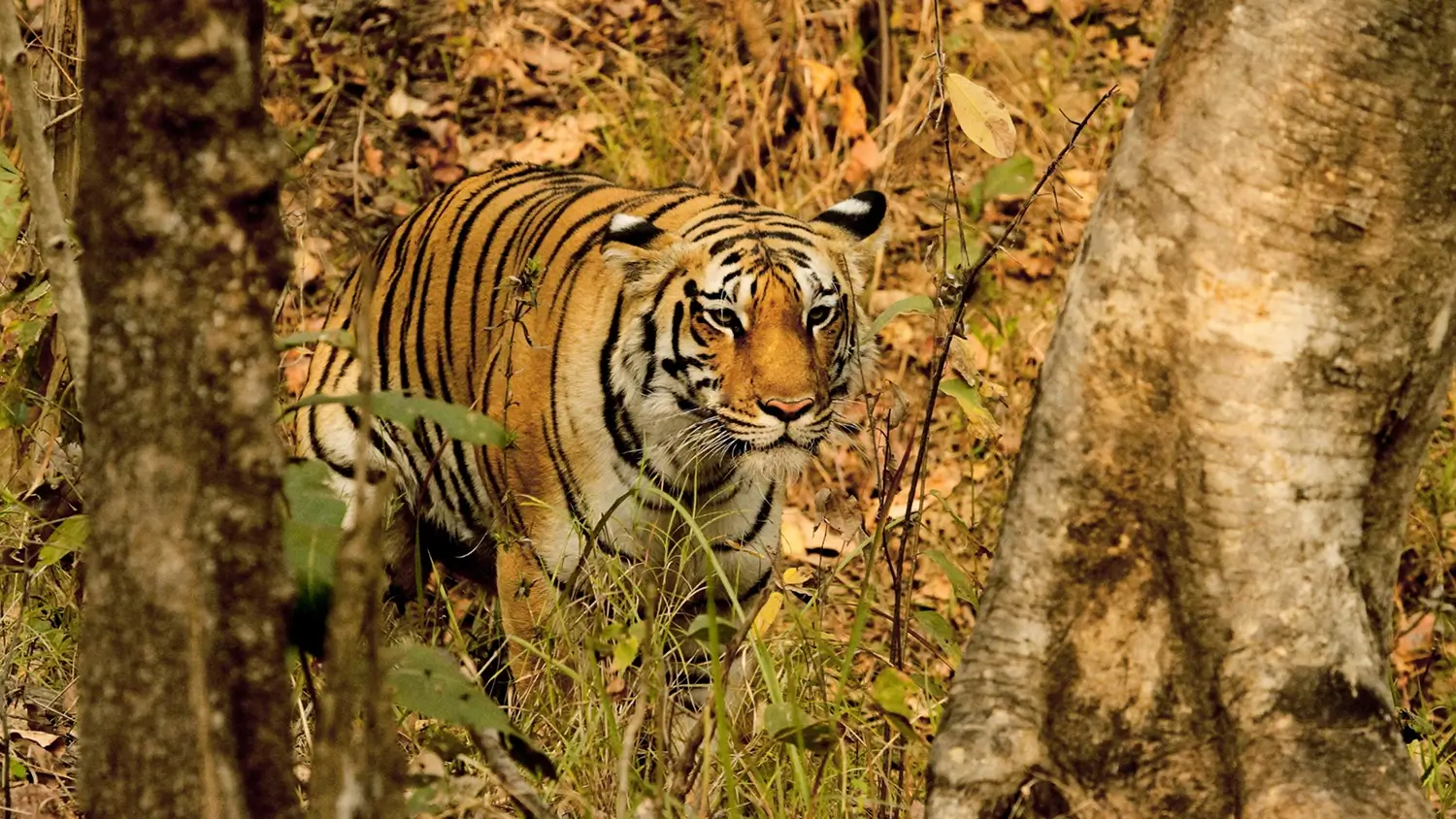
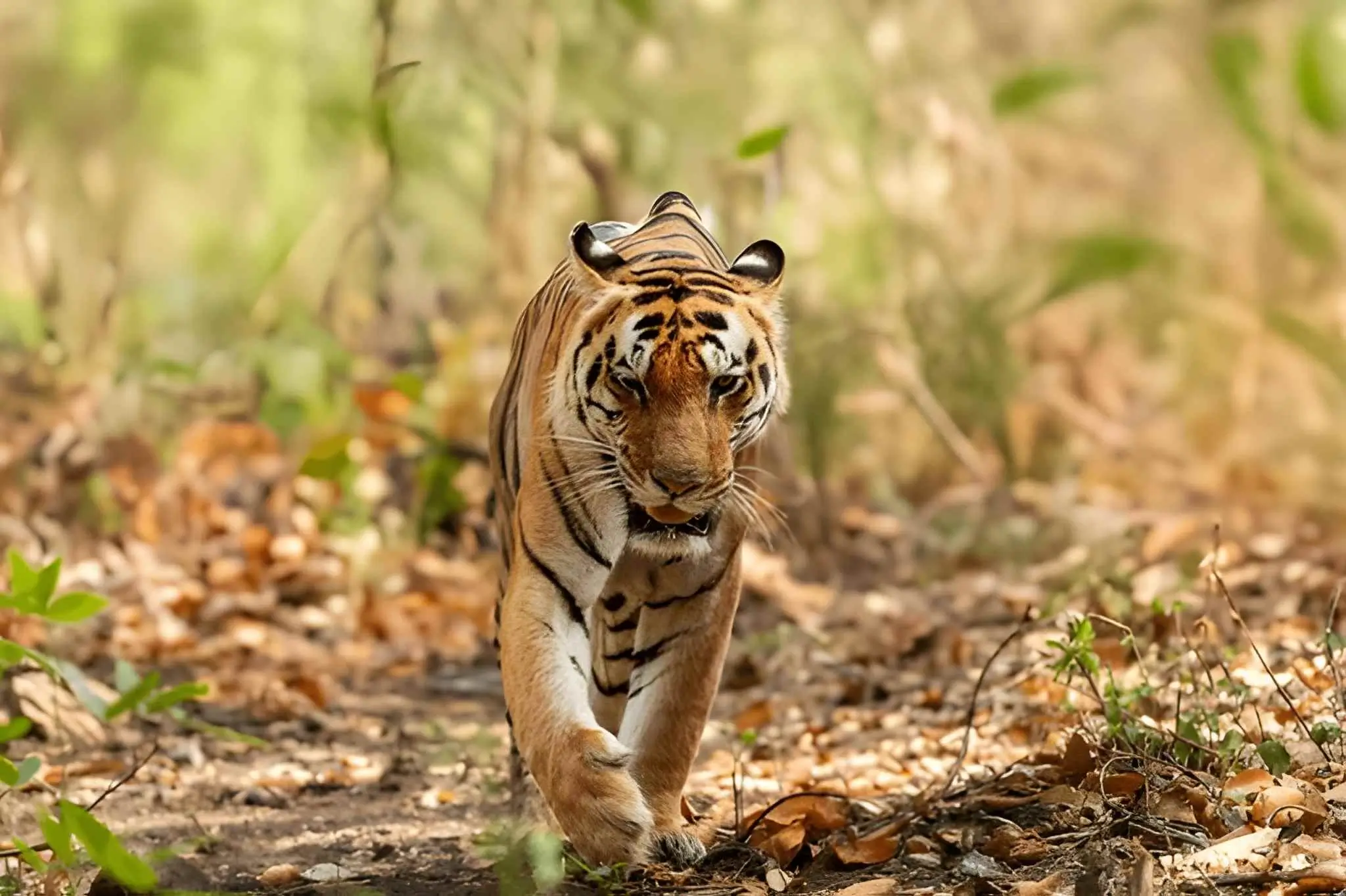
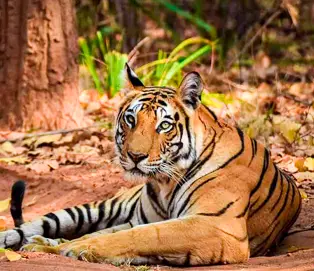
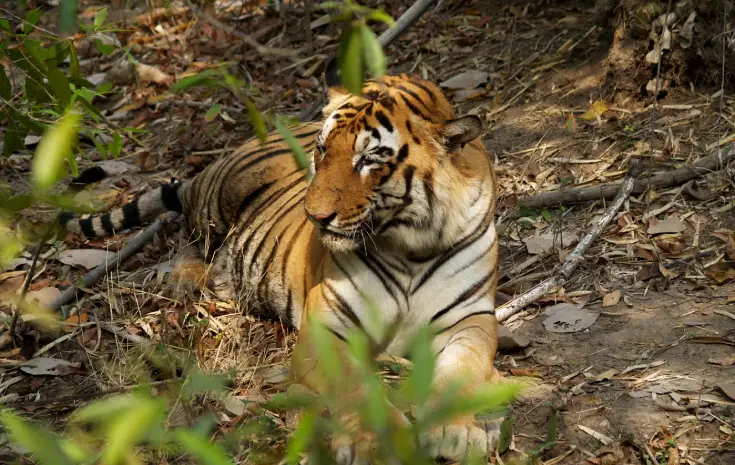
Most travellers visit Bundelkhand for tigers or temples. Ajaigarh adds a third dimension, silence and scale. It’s not essential, and it’s not convenient, but when included thoughtfully, Ajaigarh Fort adds depth to a Bundelkhand journey that goes beyond safaris and temples. It is best experienced as part of a well-planned Panna–Khajuraho circuit, where travel, timing, and pacing are aligned.

 +91-9212553107
 What'sApp


 Packages
 +91-9212553107