Gwalior, the gem of Madhya Pradesh is a fabulous mixture of histories of majestic rulers, marvellous palaces and glorious temples which adds charm to its beauty. Gwalior city was founded by King Surajsen who once made the city one of the most glorious and royal places in India. The historic city of Gwalior is home to the great Indian musician and 9th gem of Akbar’s court, Tansen. The city is also a heritage place for the largest carpet in the world at Jai Vilas Palace. UNESCO also declared the city of Gwalior as the ‘city of music’ because of the various classical music and traditions that have been followed for years.
Gwalior tourism flourished over the years as it is visited by tourists for its stunning forts and intricate palaces that were once ruled by Mughals and even Tomars. The town of Gwalior is filled with top tourism places as it includes embracing structures such as rock temples, magnificent sculptures, stunning palaces, well-crafted monuments and age museums. Apart from visiting the heritage sites and temples, Gwalior is also famous for its local delicacies such as Kachori, Ladoo, Pani puri, Chaat and several other namkeen.
The tourists can also enjoy several festivals such as the world famous Tansen Festival which is celebrated every year in the month of November or December. The city of Gwalior has a unique charm of its own, which can only be fully appreciated after sightseeing and unfolding the secrets of the city.
Quick Gwalior Tourist Info at a Glance
| Town | Gwalior |
|---|---|
| Coordinates | 26°12'44.64″N 78°10'37.92"E |
| Geographical area | 414 km2 (160 sq mi) |
| Languages Spoken | English, Hindi |
| Popular Tourist Attractions in Gwalior | Gwalior Fort, Jai Vilas Palace, Teli ka Mandir, Moti Mahal, Sas Bahu Temple, Gopachal Parvat, Gujari Mahal, Sun Temple, Ghaus Mohammed Tomb, Tansen Tomb |
| Popular Festivals of Gwalior | Tansen Music Festival, Baredi Festival, Bhavbhuti Samaroh, Krishna Rao Samaroh, Makar Sankranti, Holi, Ganesh Utsav, Navratri Utsav, Dussehra, Durga Puja, Diwali, Eid-ul-Fitr, Rakhi |
Best Places to Visit in and around Gwalior
History enthusiasts, architectural experts and travel influencers will love the sightseeing spots of the Gwalior city. The Gwalior tour remains incomplete without visiting the top tourist attractions which are widely renowned for their history, architecture, serene ambiance and ancient buildings. The city houses some amazing heritage sites ranging from the great Gwalior Fort to the Tansen Tomb which makes it a must visit destination for tourists.
Gwalior Fort
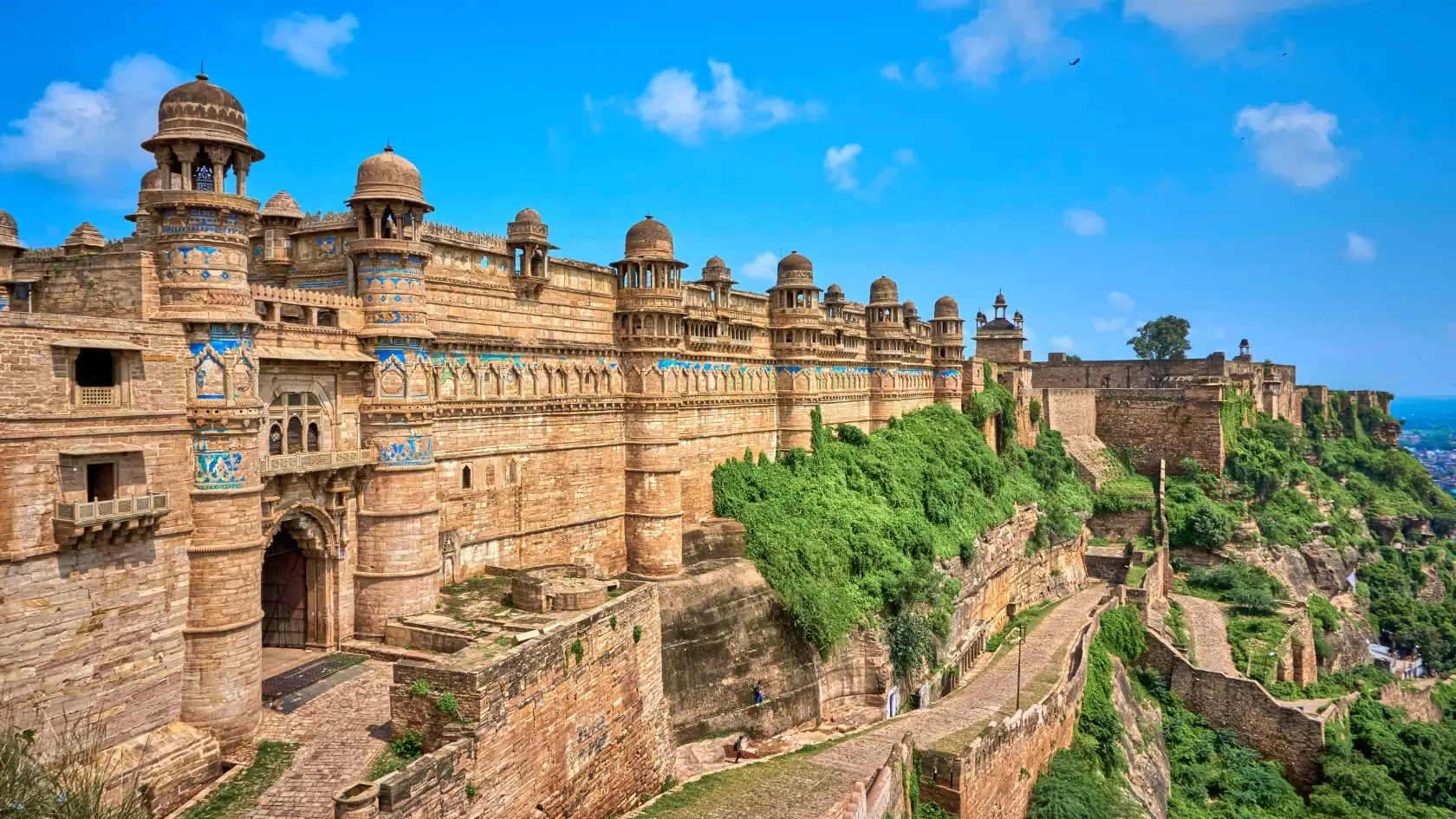
Gwalior Fort is the prime landmark of the city which is built on a large sandstone steep hill to honour saint Gwalipa making it one of the best places to visit in Gwalior, Madhya Pradesh. The fort has witnessed some great ancient incidents, conflicts and Jauhars and is also referred to as 'the pearl among fortresses in India' by the Mughal emperor, Babur. The walls of the fort have an intriguing history attached to them which are two miles long and 35 feet high and are engraved with exquisitely carved statues and figures. For several years, the fort has been well maintained and includes numerous temples, water tanks and beautiful palaces.
Teli ka Mandir
An ancient religious temple of Gwalior highly recognised for its Dravidian architecture and exquisite artwork is Teli ka Mandir. The Hindu temple dates back to the 9th century and as per locals, the temple structure was built with money donated by oil merchants which gave the name to the temple. Teli ka Mandir is located inside the Gwalior Fort complex and is about 100 feet tall which combines both Hindu and Buddhist elements. The temple is also known by the name of Telika Temple and is dedicated to Lord Vishnu, Lord Shiva and Matrikas.
Sas Bahu Temple
Inside the Gwalior Fort region, lies many temples and ancient structures, Sas Bahu Temple is one of them. The Sas Bahu Temple does not mean Saas (mother in law) and Bahu (daughter in law) but rather is the short form of Sahasra Bahu which is also another name of Lord Vishnu. The temple was built in the 9th century and for years it has attracted thousands of tourists from all over the world. It consists of two exquisitely carved red sandstone temples with impeccable carvings and sculptures where the smaller one is dedicated to Lord Shiva and the larger one to Lord Vishnu.
Jai Vilas Palace
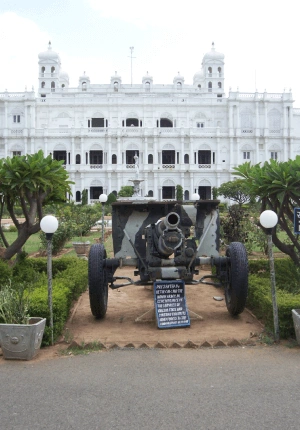
The Jai Vilas Palace of Gwalior, Madhya Pradesh is known by the name of the Jai Vilas Mahal which symbolises the age-old histories of Indian culture and royalty. The king of Gwalior, Jayaji Rao Scindia built the palace in the year 1874 to lavishly welcome King Edward VII, Prince of Wales. Presently the palace serves as a residence for descendants of the royal Maratha family and also sets out a museum for the tourists which contains around 35 rooms, the Chitrangada Raja Art Gallery and an age-old library which comprises more than 5000 books. Each room of the palace tells stories of history and spreads the smell of antiquity.
Moti Mahal
One of the greatest and magnificent structures of the Gwalior city is the Moti Mahal which dates back to the 18th-19th century. The Moti Mahal is astonishingly surrounded by lush gardens and elegant fountains which describe the charm of the Mahal. The mahal was built by Maharaja Jayajirao Scindia where the first assembly of Madhya Pradesh was held. Back in the day, it was a Madhya Bharat Government office but currently, it houses several government offices. The architecture of the building showcases the beauty of murals, mosaic designs and gorgeous colours that beautifully represent the Ragas and Raginis.
Gopachal Parvat
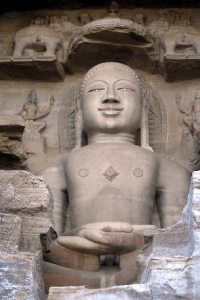
Gwalior Fort is a great location to explore in the Gwalior city as it contains many sandstone structures, Gopachal Parvat is one of them. The structure is a 7th to 15th century Jain monument which is dedicated to the Jain Tirthankaras named Adinatha, Mahavir, Neminatha and Rishabhanatha. The Gopachal rock-cut monuments surround the hill where the Gwalior fort lies and depict the Tirthankaras in seated or standing meditating positions. The Jainism followers visit the significant location while exploring the other Jainism sites of Gwalior.
Gujari Mahal
Gujari Mahal of Gwalior city symbolises the love between a Tomar Rajput ruler and a Gurjari woman (low caste woman) which is presently a State Archeological Museum. King Man Singh built the palace for his beloved Mrignayani in the 15th century. The love and devotion of the King are still felt in the walls and chambers of the Mahal. The palace is currently known by the name of Gujari Mahal Archaeological Museum which houses some rare Hindu and Jain sculptures which date back to the 1st and 2nd centuries BCE, luxurious terracotta items, miniature statues of Salabhanjika and several mural paintings. It is a great place to explore for history buffs and travel enthusiasts.
Sun Temple
Another pride of Gwalior city is the Sun Temple which is inspired by the design and architecture of Konark's Sun Temple. The Sun Temple of Gwalior is dedicated to Sun God which is known by the name of Surya Mandir that was constructed in the year 1988 by industrialist G.D. Birla. Thousands of visitors and pilgrims visit the sacred temple to embrace its beauty and seek blessings from the deities. The red sandstone structure outside and the white marble finish in the interior of the Sun Temple make it a great place for photoshoots as the charm of the temple is enhanced in the sunrise and sunset periods.
Ghaus Mohammed Tomb
A famous heritage site of the Tansen Nagar of Gwalior is the Ghaus Mohammed Tomb. The Ghaus Mohammed Tomb in Gwalior city is a mughal inspired sandstone structure which is dedicated to the prince of Afghanistan who later became a Sufi saint. People of any religion can visit the place and spend some time there to embrace the beauty of the structure. People of Gwalior believe that the music of Tansen was inspired by Mohammad Ghaus who is also known as the spiritual guru of Tansen.
Tansen Tomb
Tansen Tomb located at a close distance from Mohammed Ghaus Tomb is one of the pioneer structures of Gwalior city. The tomb is dedicated to Tansen who is known to be the legendary musician and classical singer from Akbar's era. To respect his honour and pay tribute to his music, every year in November and December, a grand music festival is organised at his tomb. Great musicians and renowned artists come from all over the world to perform and honour the legendary music maestro Tansen. Many vocal and instrumental artists are also invited to the event.
How to Reach?
Apart from tourist attractions in Gwalior, there are many other places to explore around the city and for reaching these sightseeing sites the town consists of all kinds of transportation, including aircrafts, rails, buses and cabs from major cities.
Best Time to Visit Gwalior
Gwalior city is best visited during the winter and post-monsoon months when the weather is great enough for sightseeing and exploring the ancient tales.
 +91-9212553107
 What'sApp



 Packages
 +91-9212553107