India Wildlife Tourism

India Wildlife Tourism

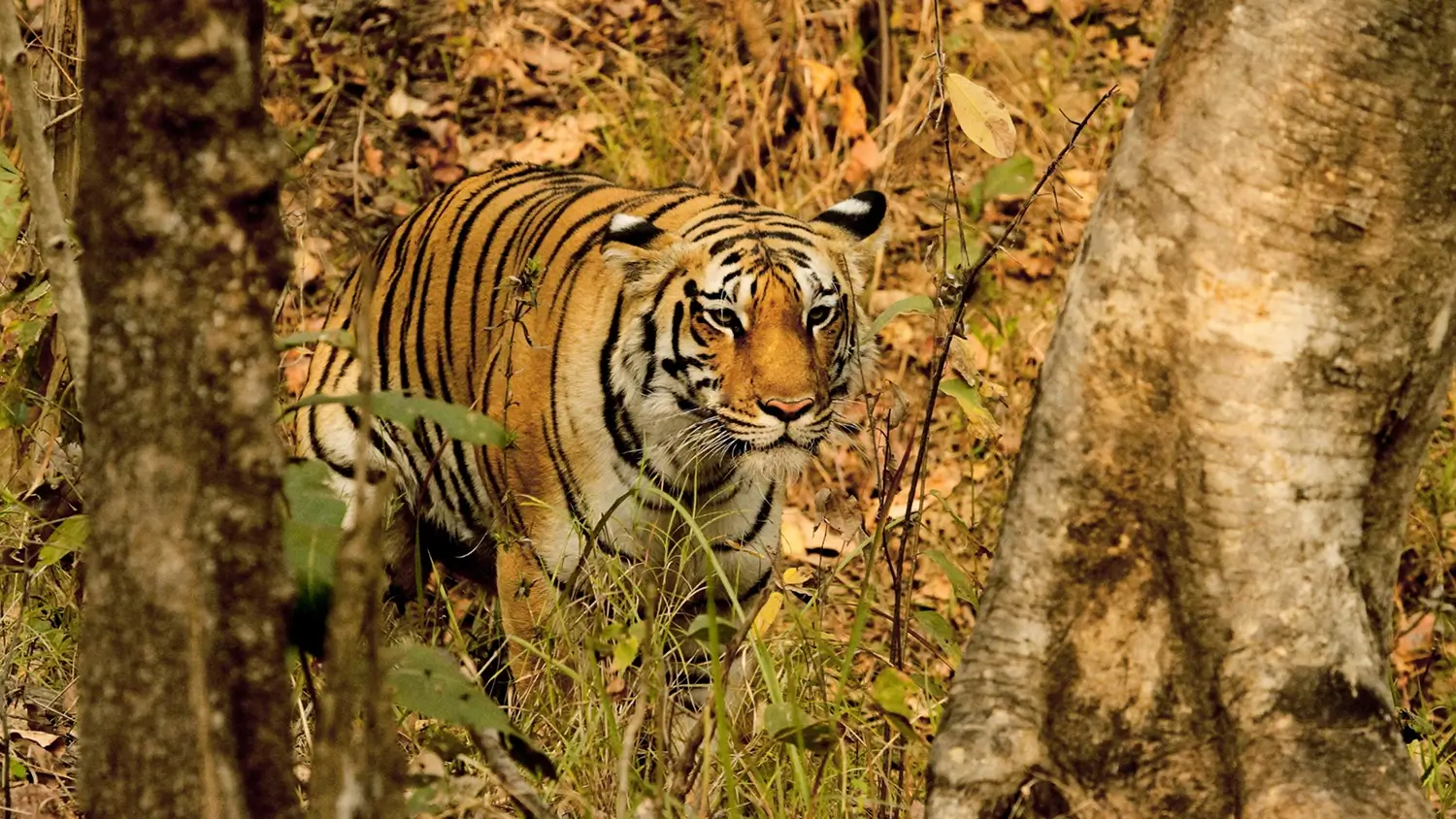
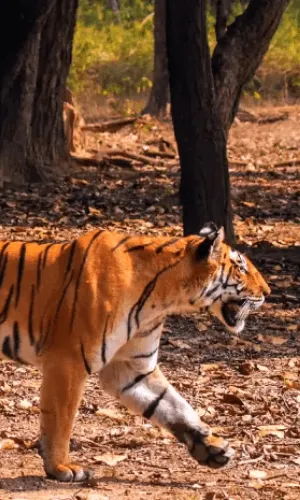
Explore the untamed allure of Incredible India, featuring vibrant wildlife sanctuaries, national parks, and tiger reserves that invite you on a journey from rhinos to Asiatic lions, majestic tigers to exotic birds, enchanting elephants to diverse deer species—offering a captivating exploration of nature's marvels.

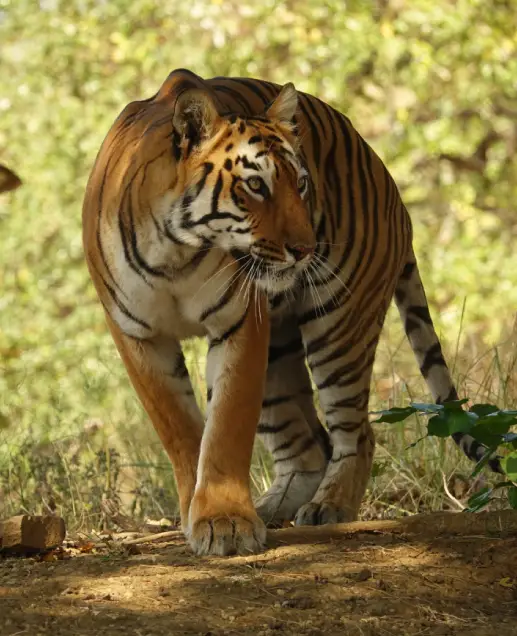
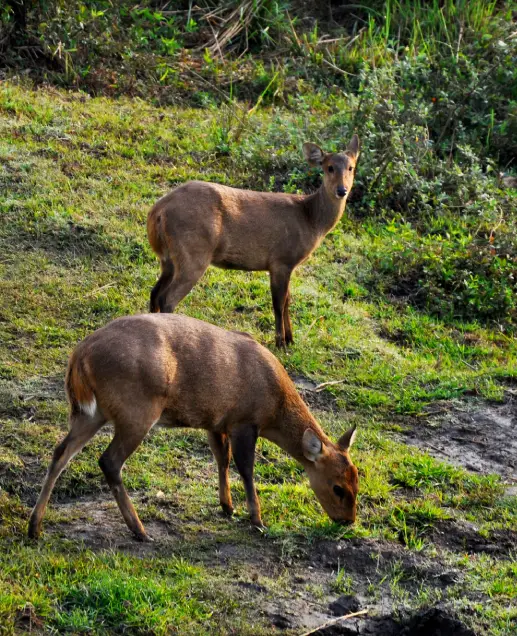
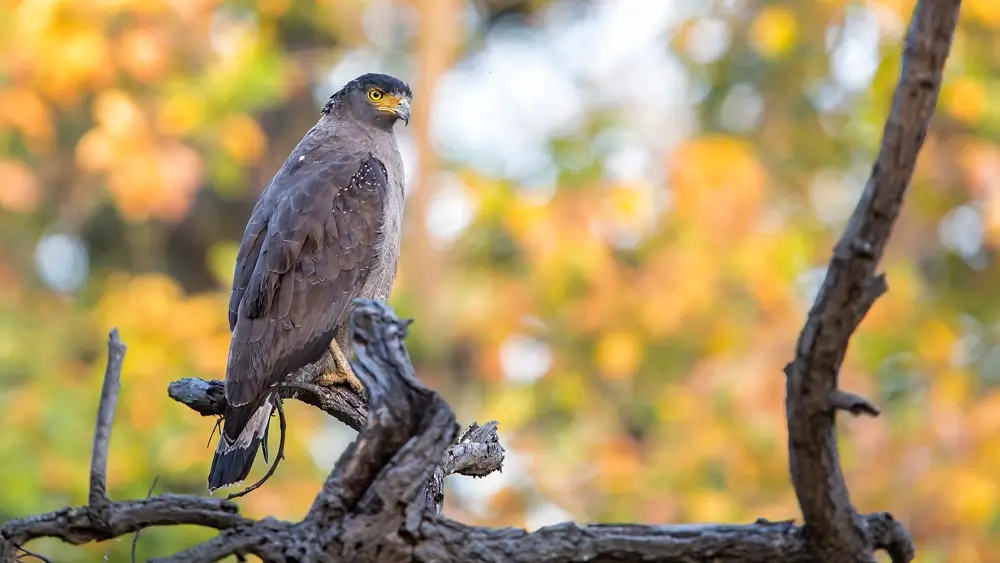
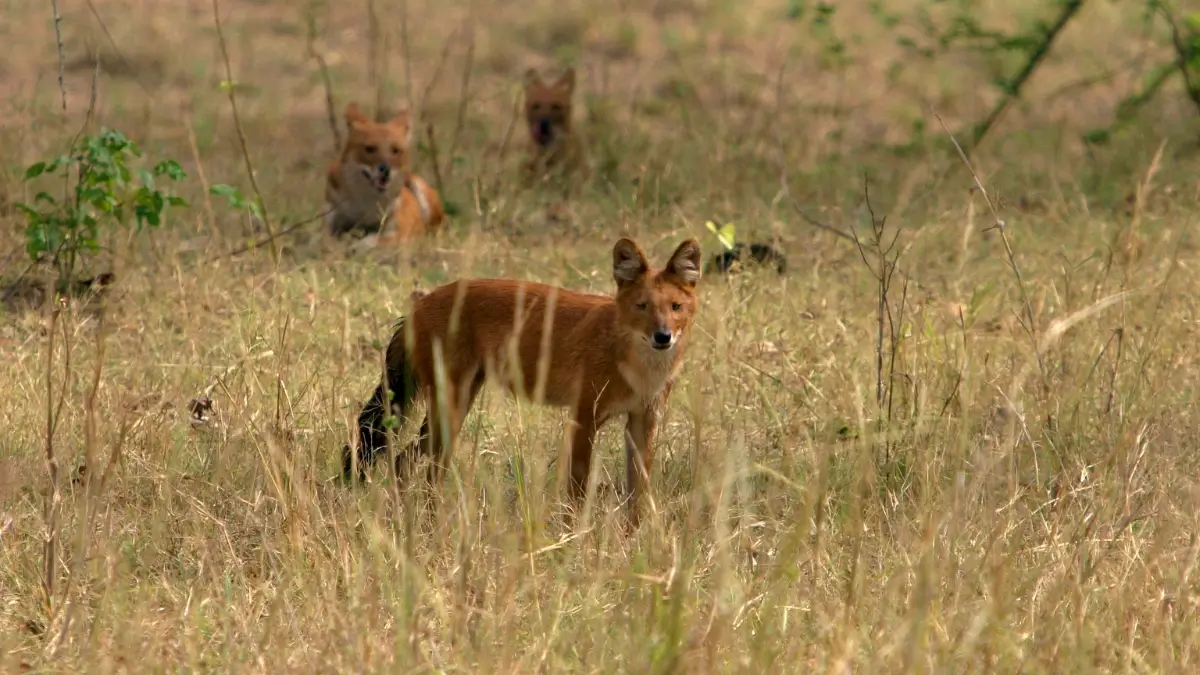
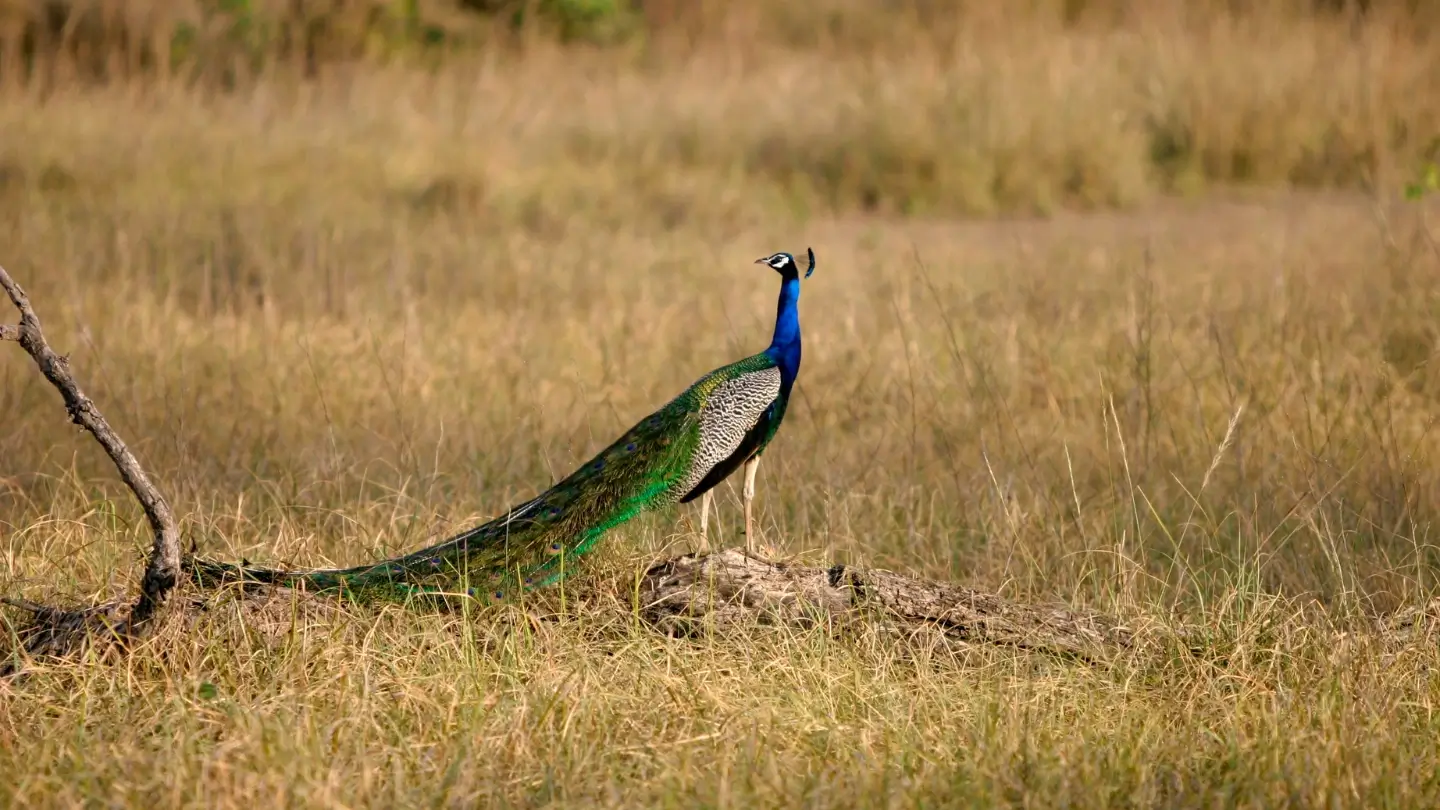
India is home to a diverse range of flora and animals and is also called the biological capital of the entire globe. When it comes to wildlife tourism in India, it is considered one of the world's top locations as it is a paradise for nature lovers, a dream for photographers, a home for wildlife enthusiasts, and an ideal destination for honeymooners. Travellers travel to India from all over the world to see its rich wildlife which includes the Royal Bengal Tiger, Asiatic Lion, Indian Wild Elephant, One-horned Rhinoceros, Leopard, several deer species, and many more. The Indian forests are also enhanced by a wide variety of reptiles, birds, and aquatic species. India's wildlife tourism is a tale that teaches the world about the close bond between humans and animals as well as their everlasting desire to live together in unity and affection.

After India's 1947 declaration of independence, many of the country's old hunting areas were renamed as "national parks" and "wildlife sanctuaries," where all of the wild animals and birds are completely protected to prevent extinction. Locals and communities have been heavily interested in the preservation of wildlife. India wildlife tourism offers visitors enough opportunity for reflection as well as a deep understanding of the biodiversity and cultural heritage of the country.

Exploring India's Rich Wildlife: A Guide to Various Tourism Experiences

National Parks in India

India boasts a remarkable number of national parks, each of which showcases the nation's vast biodiversity and serves as a refuge for a wide variety of plant and animal species. These national parks in India provide tourists the opportunity to relish the beauty of nature in all its forms and play a vital role in conservation efforts.

It is a place where development, forestry, poaching, hunting, and grazing on agricultural land are strictly prohibited and where the sole purpose is to improve biodiversity and wildlife. Thanks to the rich biodiversity of India, every state has at least one national park which showcases the diverse flora and wildlife of the region.

National Parks in India
Tiger Reserves in India

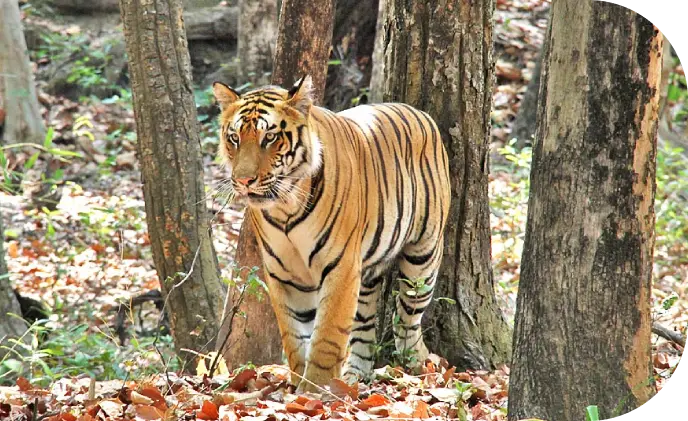
India is well known across the world for its commitment to saving tigers, and it has a network of Tiger Reserves devoted to preserving the magnificent Bengal tiger. The preservation of the endangered species and its habitats is greatly supported by these tiger reserves in India. The Tiger Reserve of India was created in 1973 to conserve tigers.

As of 2023, there are 53 Tiger Reserves in India, with Ranipur Tiger Reserve becoming the 53rd. Project Tiger, which is managed by the National Tiger Conservation Authority, is in charge of the reserves, which were first created in 1973-1974. During Tiger tourism in India, it is completely forbidden to capture, kill, or poach tigers.

Tiger Reserves in India
Wildlife Sanctuaries in India

Wildlife sanctuaries in India were created to protect natural ecosystems and promote biodiversity, and are essential to the preservation of ecological balance. They are frequently distinguished by an extensive variety of native species, different landscapes, and lush trees. Observing creatures in their native habitats, taking in the beauty of the natural environment, and supporting sustainable tourism are all offered to visitors at these sanctuaries.

These popular wildlife sanctuaries, which include Chilka Lake Bird Sanctuary, Bharatpur Bird Sanctuary, Chinnar Wildlife Sanctuary, Govind Wildlife Sanctuary and many others sanctuaries span the nation from the southernmost point to the Himalayan regions, together providing a vivid picture of India's diverse natural heritage.

Wildlife Sanctuaries in India
Bird Sanctuaries in India

India is home to an impressive variety of bird sanctuaries that serve as shelters for a wide variety of bird species and draw visitors from all over the world. These sanctuaries are positioned thoughtfully around the country, providing distinctive habitats that serve a diverse range of resident and migratory bird species.

In India, there are over 1210 different bird species and around 72 bird sanctuaries. Bird sanctuaries play an important role in the conservation of bird biodiversity by providing nesting and breeding habitats for a variety of species.They support scientific investigation, provide information, and increase public understanding of the value of bird conservation.

Bird Sanctuaries in India
UNESCO World Heritage Wildlife Sites in India

India's national parks and sanctuaries are the ideal spots to see its incredible wildlife. Numerous UNESCO World Heritage Sites in India reflect the nation's tremendous biodiversity and dedication to wildlife protection. These top wildlife destinations have received recognition for their exceptional cultural and ecological significance.

Among these are the Sundarbans National Park in West Bengal, the world's biggest mangrove forest and home to the Bengal tiger, and Keoladeo National Park in Rajasthan, also known as Bharatpur Bird Sanctuary, which is an important wintering site for migratory birds. Another UNESCO site, Kaziranga National Park in Assam, is well known for its population of one-horned rhinoceroses.

UNESCO World Heritage Wildlife Sites in India

Popular National Parks & Tiger Reserves for Jungle Safaris in India

Many magnificent cities and popular tourist attractions can be found in Madhya Pradesh, which will make the trip to the state very memorable. Madhya Pradesh has plenty of destinations to satisfy the wanderlust of visitors. With its stunning temples, abundant wildlife, picturesque landscapes, and bustling towns, Madhya Pradesh is a preferred destination for vacationers. Below are the top visiting places to explore in Madhya Pradesh.

Kanha National Park

Kanha Tiger Reserve is a haven for wildlife enthusiasts. Renowned for its lush landscapes and diverse flora, it offers a thrilling safari experience where the majestic tigers reign alongside a myriad of fascinating fauna, creating unforgettable memories.

Kanha National Park
Bandhavgarh National Park

Bandhavgarh Tiger Reserve is a premier wildlife destination, renowned for being the best for tiger sightings. With lush landscapes and thriving biodiversity, it offers an unparalleled experience for wildlife enthusiasts seeking awe-inspiring encounters with these majestic creatures.

Bandhavgarh National Park
Panna National Park

Panna Tiger Reserve stands as a live example of tiger conservation in India. Nestled in Madhya Pradesh, it showcases successful efforts in preserving these majestic creatures, offering a unique blend of wilderness and conservation, inviting nature enthusiasts into a thriving ecosystem.

Panna National Park
Pench National Park

Pench Tiger Reserve, ensconced in Madhya Pradesh, is celebrated for its prowess in spotting tigers. A haven for wildlife enthusiasts, its diverse landscapes and effective conservation efforts make it a prime destination for unforgettable encounters with these majestic creatures in their natural habitat.

Pench National Park
Jim Corbett National Park

Jim Corbett Tiger Reserve, nestled in the Himalayas, is celebrated for having the highest tiger population in India. As the most visited reserve, it captivates nature lovers with its majestic landscapes and offers unparalleled opportunities for spotting these elusive big cats.

Jim Corbett National Park
Ranthambore National Park

Ranthambore Tiger Reserve, a hot trending wildlife destination in India, draws global celebrities for its unparalleled tiger safari experience. Renowned across the globe, its majestic landscapes host iconic encounters with the royal Bengal tigers, making it a must-visit for wildlife enthusiasts and discerning travelers.

Ranthambore National Park
Tadoba National Park

Tadoba Tiger Reserve stands as the best national park in western India for exhilarating tiger jungle safaris. With its rich biodiversity and pristine landscapes, it offers an unmatched experience for wildlife enthusiasts seeking thrilling encounters with majestic Bengal tigers in their natural habitat.

Tadoba National Park
Kaziranga National Park

Kaziranga Tiger Reserve, nestled in India's northeast, is a haven for rhino and tiger safaris. Renowned for its biodiversity, it offers an exceptional experience where the majestic Bengal tigers coexist with the iconic one-horned rhinoceros, creating a unique wildlife spectacle.

Kaziranga National Park
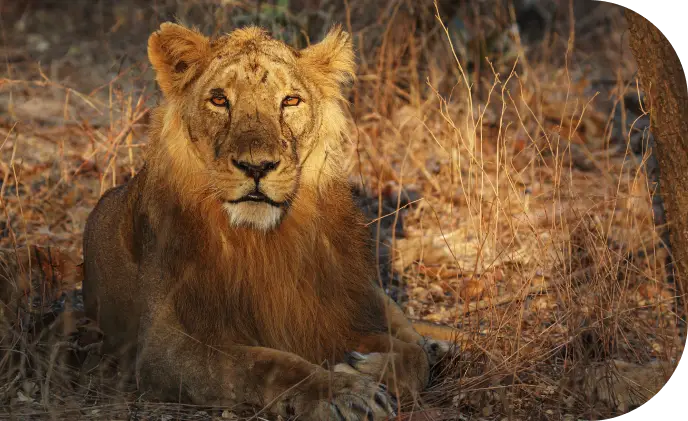
Gir National Park

Gir National Park, acclaimed as the best for Asiatic lion safaris in India, invites nature enthusiasts to witness the regal big cats in their natural habitat. With diverse landscapes, it's a sanctuary preserving the majestic heritage of the Asiatic lion.

Gir National Park
Sunderban National Park

Sundarbans National Park, nestled in the unique Sundarbans forest of West Bengal, invites exploration of its enchanting mangrove ecosystem. Home to diverse wildlife, including the elusive Bengal tiger, it offers an immersive experience in the heart of nature's marvels.

Sunderban National Park
Satpura National Park

Satpura National Park, a prominent tiger reserve in Madhya Pradesh, unfolds a mesmerizing wilderness. With rugged terrains and lush biodiversity, it stands as a sanctuary where the majestic Bengal tiger reigns supreme in its natural habitat.

Satpura National Park
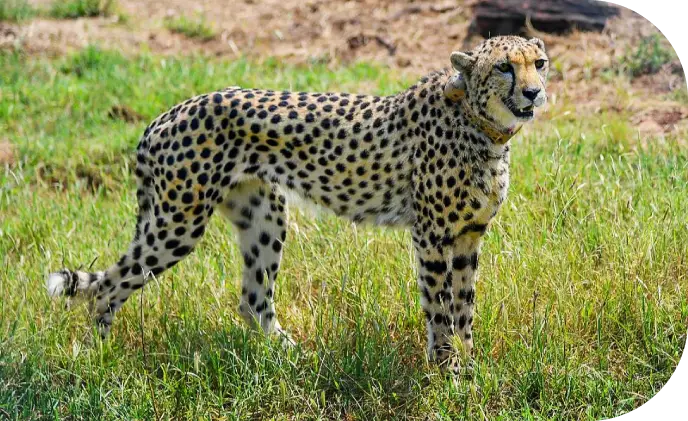
Kuno National Park

Kuno National Park, the first cheetah sanctuary in India, recently welcomed cheetahs from Africa and Namibia, marking a historic conservation effort. This initiative aims to reintroduce the cheetah, an extinct species in India, back into its natural habitat. Kuno National Park, with its diverse ecosystem, promises a vital role in nurturing these majestic creatures and promoting biodiversity conservation.

Kuno National Park

Best Time to Visit
India National Parks

Indian National Parks and wildlife sanctuaries are open from October to June for wildlife jungle safaris. This marks the official season for exploring wildlife sanctuaries and national parks in India. Most core zones of tiger reserves remain closed during the monsoon season.

Winter (October to March):

The temperature is normally lower, which makes it suitable for outdoor activities and wildlife holidays. This is the peak period for bird watching because so many migrating birds stop by. It can get cold in the winter, especially in northern parks in the mornings and nights.

Summer (April to June):

The dry conditions of summer lead to high visibility. Excellent opportunities to see animals close to water sources. Particularly in central and northern India, daytime temperatures can reach highs. Due to the heat, animals could be more active in the early morning and late evening.

Monsoon (July to September):

The lush, green surroundings provide for a lovely scene, especially in the buffer zones. For many animals, this is breeding season, so one might observe a variety of activities including newborns and courting rituals. A more serene experience due to the reduced number of tourists as the core zones remain close. Rainfall can be heavy, which can make safaris difficult and cause floods in some places.

Popular Packages

Create Unforgettable Memories with Our Jungle Safaris!

View All
Faq's

Frequently Asked Questions

  • Which Indian wildlife destinations are the most popular for wildlife tours?

    Popular wildlife destinations in India include Periyar National Park, Kaziranga National Park, Sundarbans National Park, Jim Corbett National Park, and Ranthambore National Park.

  • When is the ideal time to go on a wildlife safari in an Indian national park?

    The ideal time is from November to March during the dry season when weather conditions are pleasant and wildlife sightings are more frequent. However, timing may vary depending on the park.

  • Are there any regulations regarding animal safaris in Indian national parks?

    Yes, each park has its own guidelines. Visitors must follow rules related to wildlife observation, noise control, and maintaining a safe distance from animals. Most parks offer guided safaris to ensure safety and conservation.

  • Is it possible to visit more than one national park in a single trip?

    Yes, you can visit multiple national parks in one trip depending on your schedule and proximity of the parks. Proper planning is essential.

  • Are there any wildlife conservation initiatives in India that visitors can support?

    Yes, many wildlife conservation organizations in India welcome support. Visitors can contribute through donations or volunteering with recognized conservation groups.

  • Which other activities, besides safaris, are popular in wildlife sanctuaries?

    Other popular activities include wildlife photography, boat rides, nature walks, bird watching, trekking, and cultural experiences depending on the park.

Important Facts About India Wildlife
  • The Desert National Park near Jaisalmer is home to ostriches.
  • Pandas and snow leopards can be found in the higher Himalayan areas.
  • The Bengal tiger lives in the world's biggest mangrove forest, the Sundarbans, which is shared by Bangladesh and India and is a UNESCO World Heritage Site.
  • Assam's Kaziranga National Park is recognised for its effective protection of the Indian one-horned rhinoceros, which was previously on the verge of extinction.
  • Apart from Africa, the lion can only be found natively in India. Gir National Park (Saurashtra) in Gujarat is the only natural home in India for Asiatic Lions.
  • In 1992, 'Projects Elephant' was launched to increase elephant reserves in India, with the National Parks of Dehing Patkai and Kaziranga in Assam, Periyar in Kerala, and Mysore and Bhadra forest areas in Karnataka being crucial habitats.
  • In Jammu and Kashmir, the Dachigam National Park is famous for Hangul (Kashmiri stag).
  • The Keoladeo Bird Sanctuary in Ghana is notable for being the winter migration site for Siberian cranes. It's the biggest bird sanctuary in India.
  • Project Crocodile was started in 1975 to save India's native gharial crocodile population. Crocodile conservation sites include Kukrail in Lucknow, krapara and Mahanadi in Odisha, and Chambal Sanctuary in Madhya Pradesh.
  • Alipore Zoo in Kolkata is the biggest zoo in India.
  • According to reports, Corbett has the greatest tiger density among India's 50 tiger reserves.
Comprehensive Breakdown of National Parks Across States

The most recent statistics from the National Wildlife Database Centre reveal India's landscape adorned with 106 established national parks, spanning 44,402.95 km2 or 1.35% of the nation's geographical expanse. Furthermore, the Protected Area Network Report envisions an additional 75 national parks, encompassing 16,608 km2.

State/UT Name State Area (km²) No of National Parks Area (km²)
Andhra Pradesh 160229 3 1368.87
Arunachal Pradesh 83743 2 2,290.82
Assam 78438 7 2,664.58
Bihar 94163 1 335.65
Chhattisgarh 135191 3 2,899.08
Goa 3702 1 107.00
Gujarat 196022 4 480.12
Haryana 44212 2 48.25
Himachal Pradesh 55673 5 2,256.28
Jharkhand 79714 1 226.33
Karnataka 191791 5 2,794.05
Kerala 38863 6 558.16
Madhya Pradesh 308245 11 4349.14
Maharashtra 307713 6 1,273.60
Manipur 22327 2 140.00
Meghalaya 22429 2 267.48
Mizoram 21081 2 150.00
Nagaland 16579 1 202.02
Odisha 155707 2 990.70
Punjab 50362 0 0
Rajasthan 342239 5 3,947.07
Sikkim 7096 1 1,784.00
Tamil Nadu 130058 5 827.51
Telangana 114840 3 19.62
Tripura 10486 2 36.71
Uttar Pradesh 240928 1 490.00
Uttarakhand 53483 6 4,915.02
West Bengal 88752 6 1,981.48
Andaman & Nicobar 8249 6 1,216.95
Chandigarh 114 0 0
Dadra & Nagar Haveli 491 0 0
Daman & Diu 112 0 0
Delhi 1483 0 0
Jammu & Kashmir 163090 4 2432.45
Ladakh 59146 1 3350.00
Lakshadweep 32 0 0
Puducherry 480 0 0
State-wise Exploration of Wildlife Sanctuaries in India

As per the latest data shared by the National Wildlife Database Centre, India boasts 573 wildlife sanctuaries spread across 123,762.56 km2, constituting 3.76% of the nation's expansive geographical territory.

State/UT Name State Area (km²) No of Wildlife Sanctuaries Area (km²)
Andhra Pradesh 160229 16 6771.40
Arunachal Pradesh 83743 13 7614.56
Assam 78438 17 1728.95
Bihar 94163 12 2851.67
Chhattisgarh 135191 11 3760.28
Goa 3702 6 647.91
Gujarat 196022 23 16618.42
Haryana 44212 7 118.21
Himachal Pradesh 55673 28 6115.97
Jharkhand 79714 11 1955.82
Karnataka 191791 38 8216.69
Kerala 38863 18 2156.21
Madhya Pradesh 308245 24 7046.19
Maharashtra 307713 49 7861.70
Manipur 22327 7 708.14
Meghalaya 22429 4 94.11
Mizoram 21081 9 1359.75
Nagaland 16579 4 43.91
Odisha 155707 19 7094.65
Punjab 50362 13 326.60
Rajasthan 342239 25 5592.38
Sikkim 7096 7 399.10
Tamil Nadu 130058 33 7096.54
Telangana 114840 9 5672.70
Tripura 10486 4 603.64
Uttar Pradesh 240928 24 5822.20
Uttarakhand 53483 7 2690.12
West Bengal 88752 16 1440.18
Andaman & Nicobar 8249 97 395.60
Chandigarh 114 2 26.01
Dadra & Nagar Haveli 491 1 92.17
Daman & Diu 112 1 2.19
Delhi 1483 1 19.61
Jammu & Kashmir 163090 14 1815.04
Ladakh 59146 2 9000.00
Lakshadweep 32 1 0.01
Puducherry 480 1 3.90
The Year of Establishment for National Parks Across States
Name of the National Park Year of Establishment State Name
Corbett National Park 1936 Uttarakhand
Kanha National Park 1955 Madhya Pradesh
Tadoba National Park 1955 Maharashtra
Madhav National Park 1959 Madhya Pradesh
Bandhavgarh National Park 1968 Madhya Pradesh
Kaziranga National Park 1974 Assam
Bandipur National Park 1974 Karnataka
Bannerghatta National Park 1974 Karnataka
Gir National Park 1975 Gujarat
Gugamal National Park 1975 Maharashtra
Navegaon National Park 1975 Maharashtra
Pench National Park 1975 Madhya Pradesh
Blackbuck National Park 1976 Gujarat
Guindy National Park 1976 Tamil Nadu
Keibul-Lamjao National Park 1977 Manipur
Khangchendzonga National Park 1977 Sikkim
Dudhwa National Park 1977 Uttar Pradesh
Eravikulam National Park 1978 Kerala
Vansda National Park 1979 Gujarat
Van Vihar National Park 1979 Madhya Pradesh
Simlipal National Park 1980 Odisha
Ranthambore National Park 1980 Rajasthan
Gulf of Mannar Marine National Park 1980 Tamil Nadu
Guru Ghasidas (Sanjay) National Park 1981 Chhattisgarh
Dachigam National Park 1981 Jammu & Kashmir
Hemis National Park 1981 Jammu & Kashmir
Kishtwar National Park 1981 Jammu & Kashmir
Panna National Park 1981 Madhya Pradesh
Sanjay National Park 1981 Madhya Pradesh
Satpura National Park 1981 Madhya Pradesh
Keoladeo Ghana National Park 1981 Rajasthan
Indravati National Park 1982 Chhattisgarh
Kanger Valley National Park 1982 Chhattisgarh
Marine National Park 1982 Gujarat
Periyar National Park 1982 Kerala
Nanda Devi National Park 1982 Uttarakhand
Valley of Flowers National Park 1982 Uttarakhand
Mahatma Gandhi Marine National Park 1983 Andaman & Nicobar Islands
Namdapha National Park 1983 Arunachal Pradesh
Fossil National Park 1983 Madhya Pradesh
Sanjay Gandhi National Park 1983 Maharashtra
Rajaji National Park 1983 Uttarakhand
Great Himalayan National Park 1984 Himachal Pradesh
Silent Valley National Park 1984 Kerala
Sunderban National Park 1984 West Bengal
Balpakram National Park 1985 Meghalaya
Mouling National Park 1986 Arunachal Pradesh
Betla National Park 1986 Jharkhand
Nokrek Ridge National Park 1986 Meghalaya
Neora Valley National Park 1986 West Bengal
Singalila National Park 1986 West Bengal
Middle Button Island National Park 1987 Andaman & Nicobar Islands
Mount Harriet National Park 1987 Andaman & Nicobar Islands
North Button Island National Park 1987 Andaman & Nicobar Islands
Saddle Peak National Park 1987 Andaman & Nicobar Islands
South Button Island National Park 1987 Andaman & Nicobar Islands
Pin Valley National Park 1987 Himachal Pradesh
Anshi National Park 1987 Karnataka
Kudremukh National Park 1987 Karnataka
Nagarahole (Rajiv Gandhi) National Park 1988 Karnataka
Bhitarkanika National Park 1988 Odisha
Sri Venkateswara National Park 1989 Andhra Pradesh
Valmiki National Park 1989 Bihar
Sultan National Park 1989 Haryana
Indira Gandhi (Annamalai) National Park 1989 Tamil Nadu
Gangotri National Park 1989 Uttarakhand
Manas National Park 1990 Assam
Mudumalai National Park 1990 Tamil Nadu
Mukurthi National Park 1990 Tamil Nadu
Govind National Park 1990 Uttarakhand
Murlen National Park 1991 Mizoram
Campbell Bay National Park 1992 Andaman & Nicobar Islands
Galathea Bay National Park 1992 Andaman & Nicobar Islands
Mollem National Park 1992 Goa
City Forest (Salim Ali) National Park 1992 Jammu & Kashmir
Phawngpui Blue Mountain National Park 1992 Mizoram
Desert National Park 1992 Rajasthan
Sariska National Park 1992 Rajasthan
Buxa National Park 1992 West Bengal
Gorumara National Park 1992 West Bengal
Intanki National Park 1993 Nagaland
Kasu Brahmananda Reddy National Park 1994 Telangana
Mahaveer Harina Vanasthali National Park 1994 Telangana
Mrugavani National Park 1994 Telangana
Rani Jhansi Marine National Park 1996 Andaman & Nicobar Islands
Nameri National Park 1998 Assam
Dibru-Saikhowa National Park 1999 Assam
Rajiv Gandhi Orang National Park 1999 Assam
Kalesar National Park 2003 Haryana
Anamudi Shola National Park 2003 Kerala
Mathikettan Shola National Park 2003 Kerala
Pampadum Shola National Park 2003 Kerala
Chandoli National Park 2004 Maharashtra
Rajiv Gandhi (Rameswaram) National Park 2005 Andhra Pradesh
Mukundra Hills National Park 2006 Rajasthan
Clouded Leopard National Park 2007 Tripura
Bison National Park 2007 Tripura
Papikonda National Park 2008 Andhra Pradesh
Inderkilla National Park 2010 Himachal Pradesh
Khirganga National Park 2010 Himachal Pradesh
Simbalbara National Park 2010 Himachal Pradesh
Jaldapara National Park 2014 West Bengal