Amarkantak
The name "Amarkantak" in Sanskrit means "eternal source" and refers to a popular Hindu pilgrimage destination that is also known as "Teerthraj" or "The King of Pilgrimages." The city is known for its spiritual significance as well as its geographical and biological variety.
Jabalpur
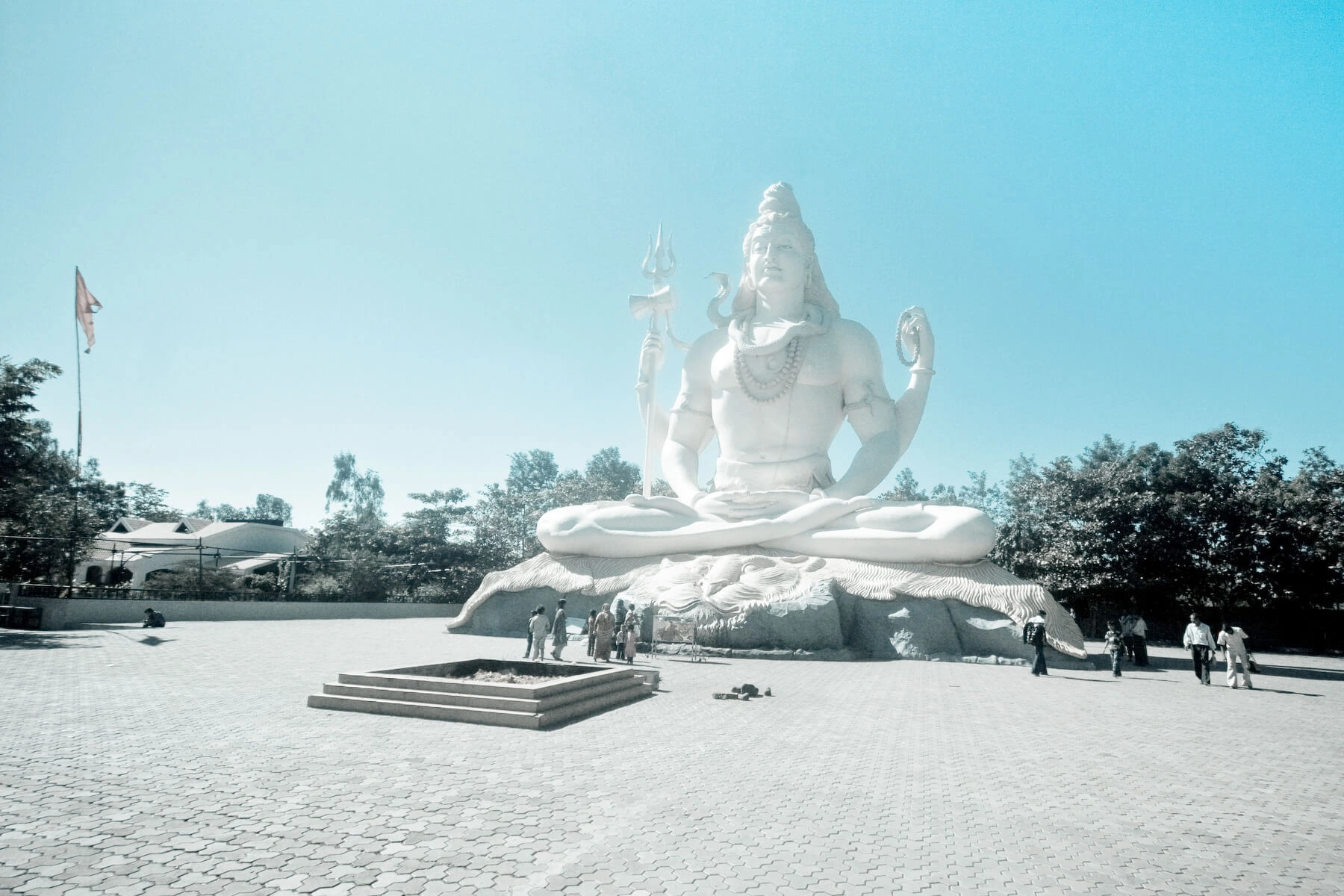
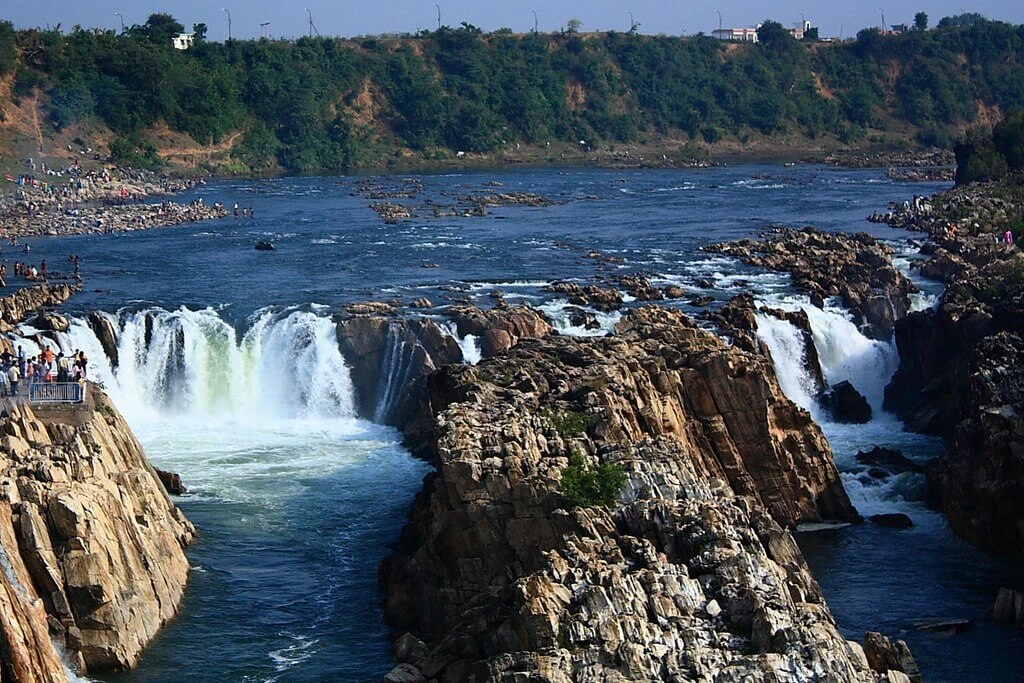
Jabalpur is regarded as the sage Jabali's tapasya bhumi. Once primarily recognised as an industrial city, it is now growing in popularity as one of the top tourist destinations in Madhya Pradesh due to its surrounding sandstone and granite hills and its globally recognised white marble rocks.
Khajuraho
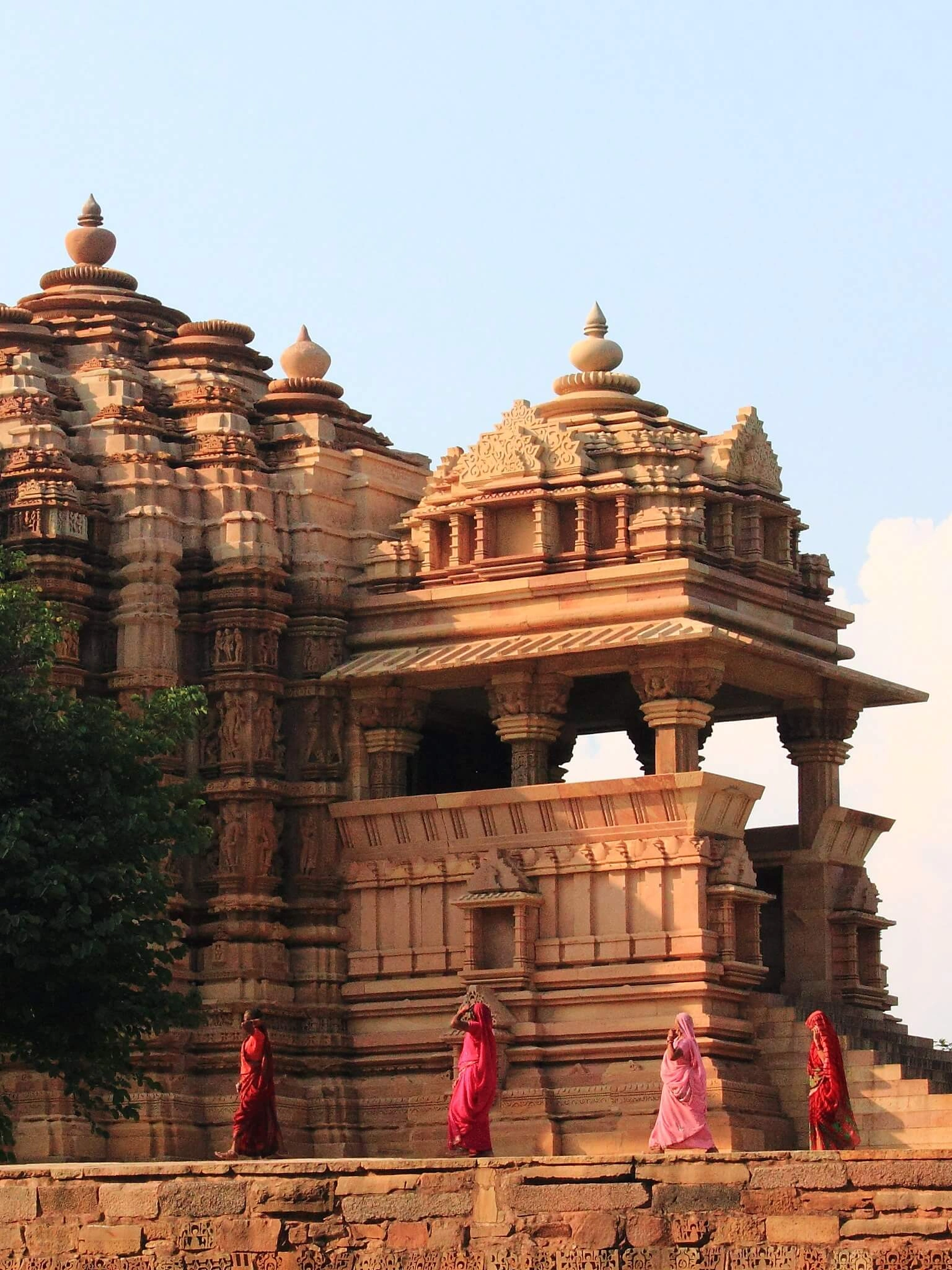
The state of Madhya Pradesh includes the little town of Khajuraho in the Chhatarpur district, which is well-recognised for the exquisite groups of temples known as the Khajuraho Group of Monuments. These temples are recognised as UNESCO World Heritage Sites for their intricate and exquisite carvings.
Pachmarhi
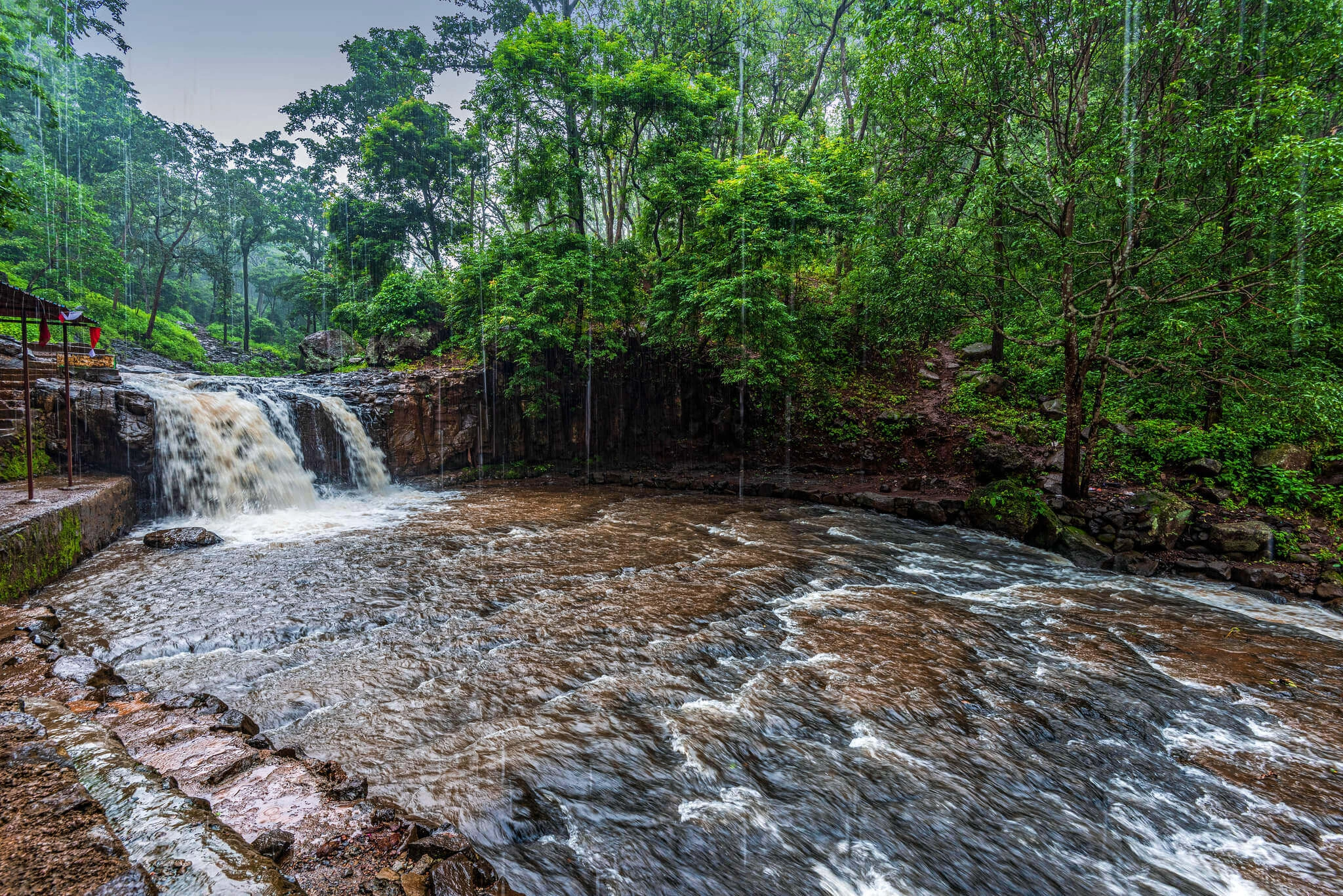
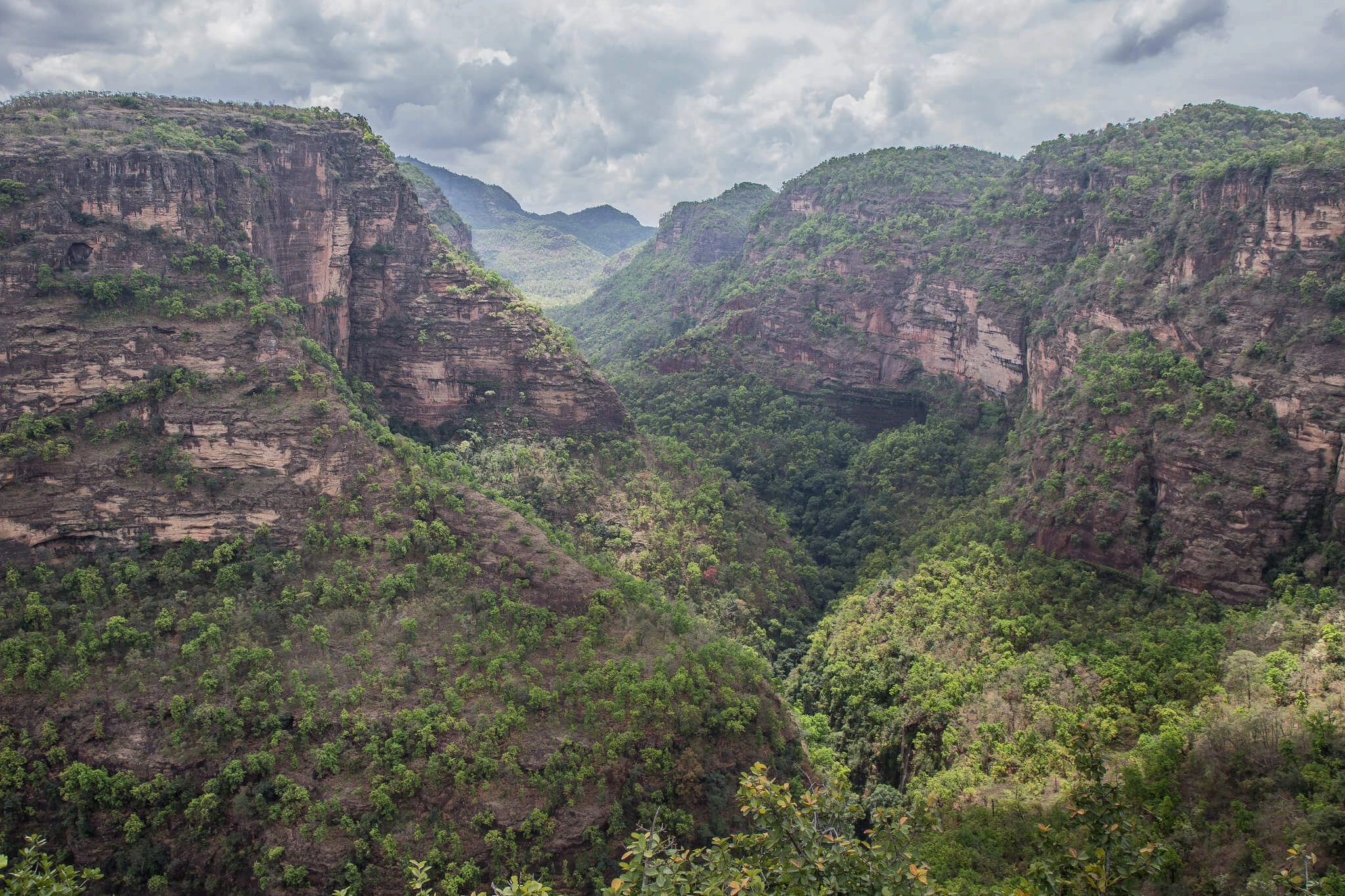
Pachmarhi, Madhya Pradesh's sole hill town, attracts visitors through magnificent views of mountains, waterfalls, valleys, forests, and the renowned five caves. This Satpura range hill station offers a variety of opportunities to relax in its serene surroundings. Other titles for Pachmarhi include "Satpura ki Rani" and "Queen of Satpura Range."
Sanchi
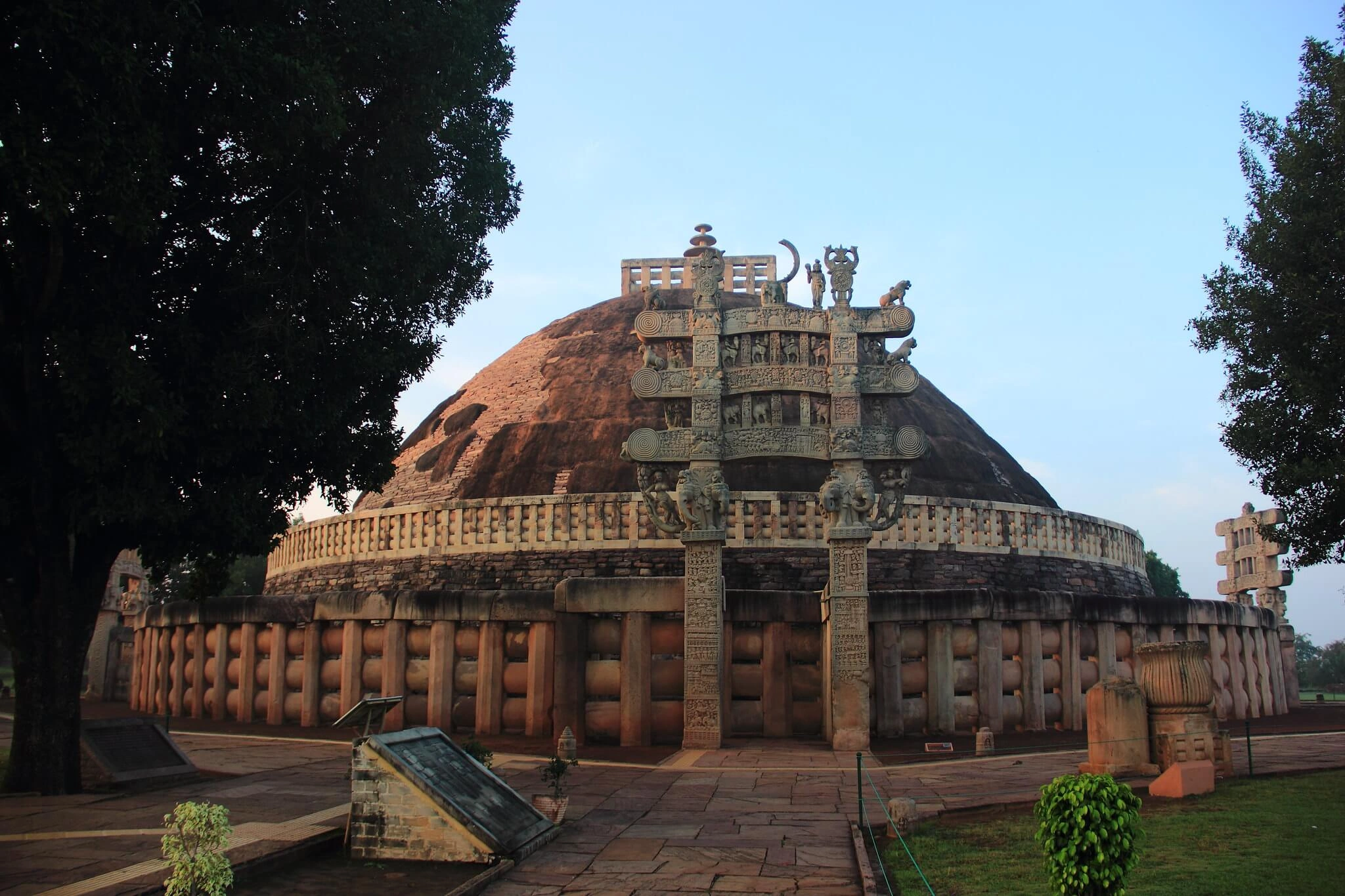
India has great admiration for Sanchi, a little village nestled in a region overflowing with innumerable historic stupas, temples, monasteries, monolithic pillars, and other remnants of the flourishing Buddhist past. Sanchi is evidence of the Buddhist golden age under Emperor Ashoka.
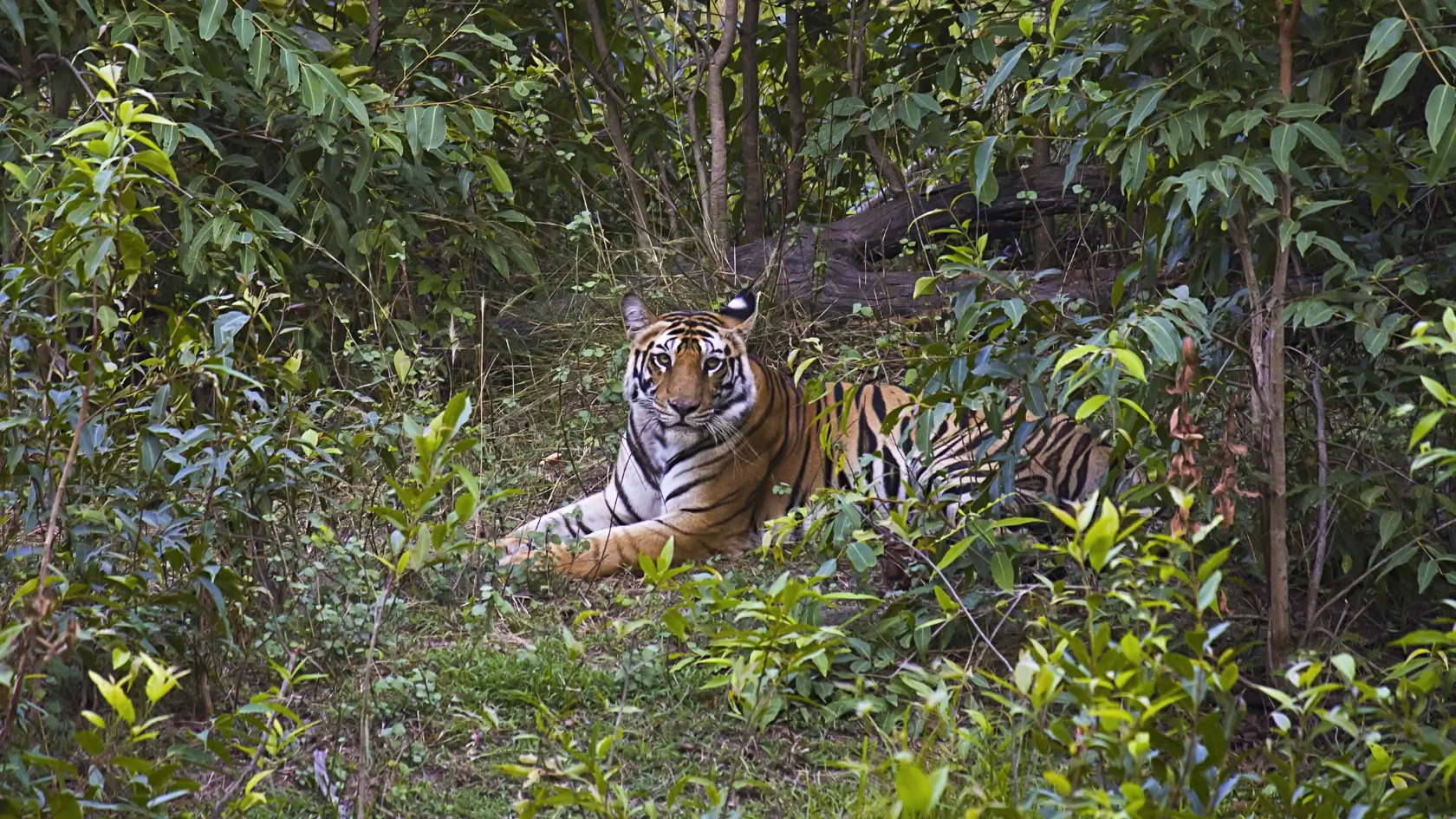
Mandla
The Narmada River surrounds the Mandla District from three sides and is located in the Satpura Hills of Madhya Pradesh, India. Travellers from around the world are drawn to the Mandla district's Kanha National Park, home of the internationally recognised Tiger Sanctuary. Several tribes also live here, including the Gond, Baiga, and Oraon tribes.
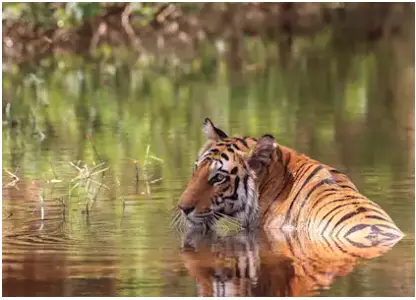
Bandhavgarh National Park
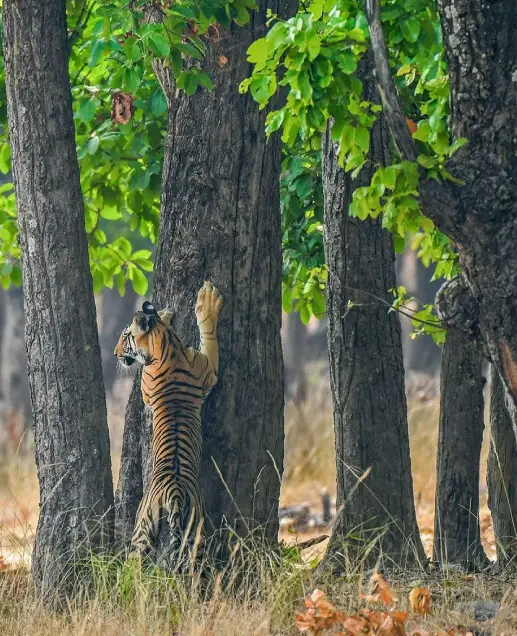
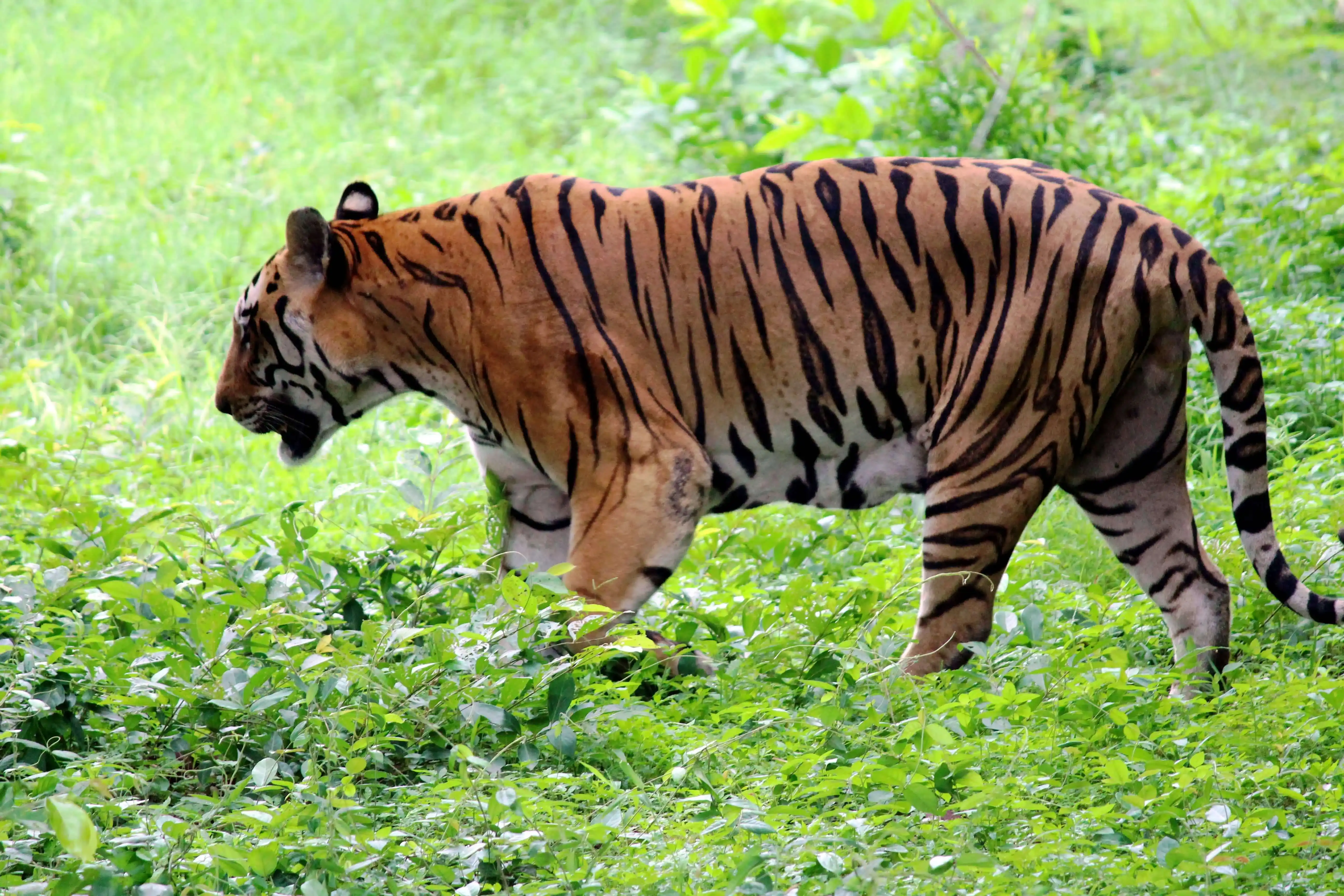
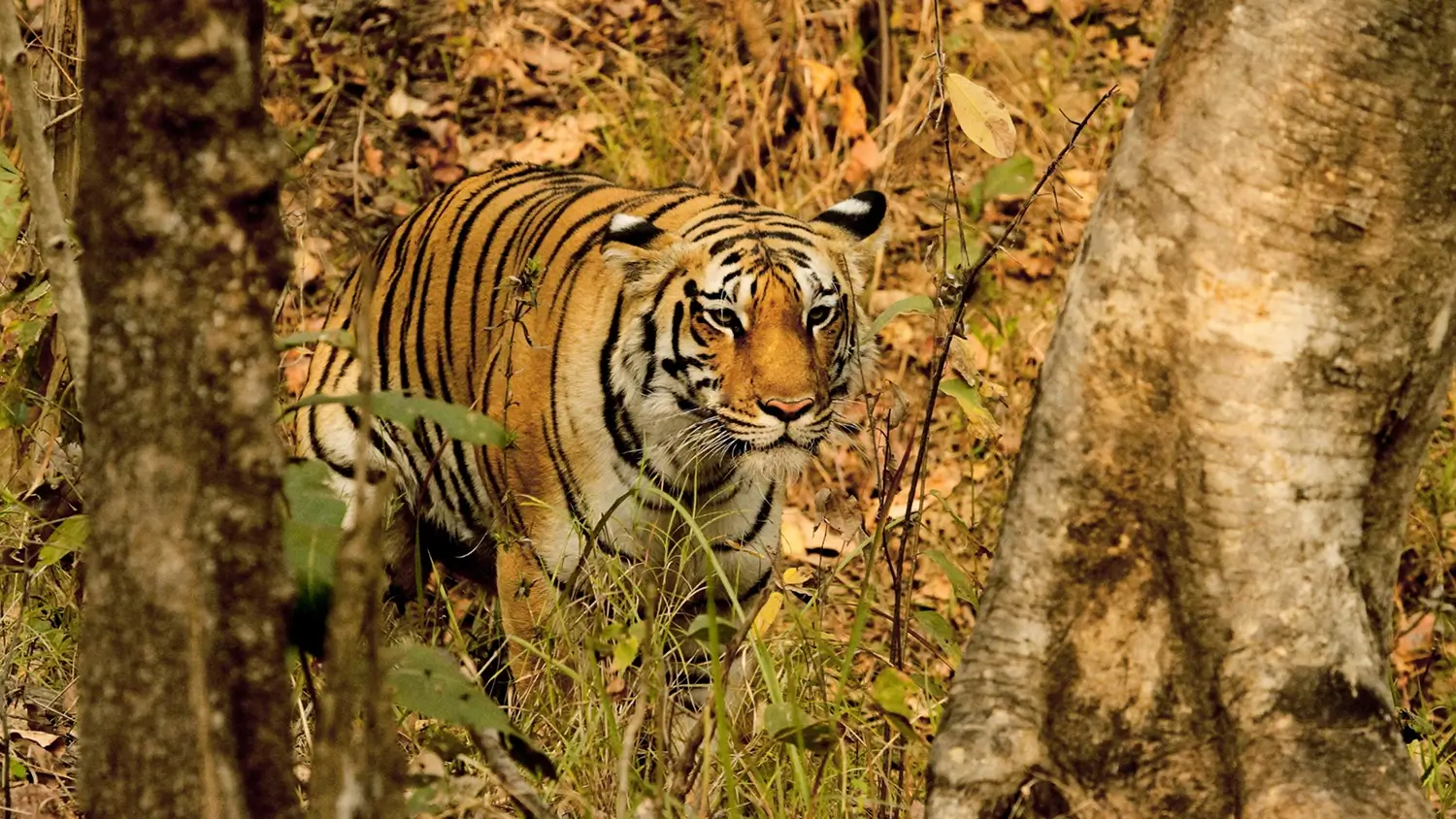
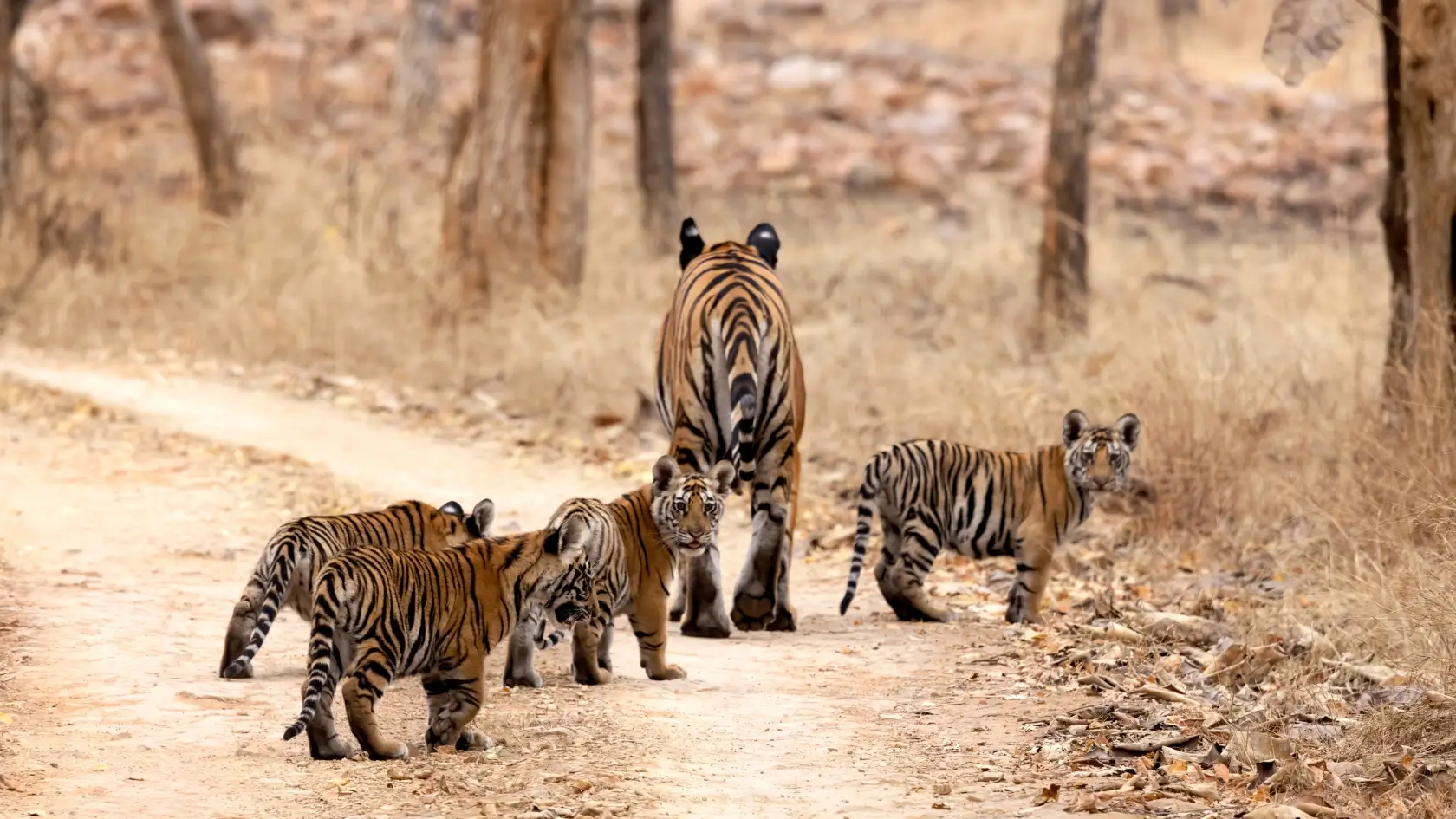
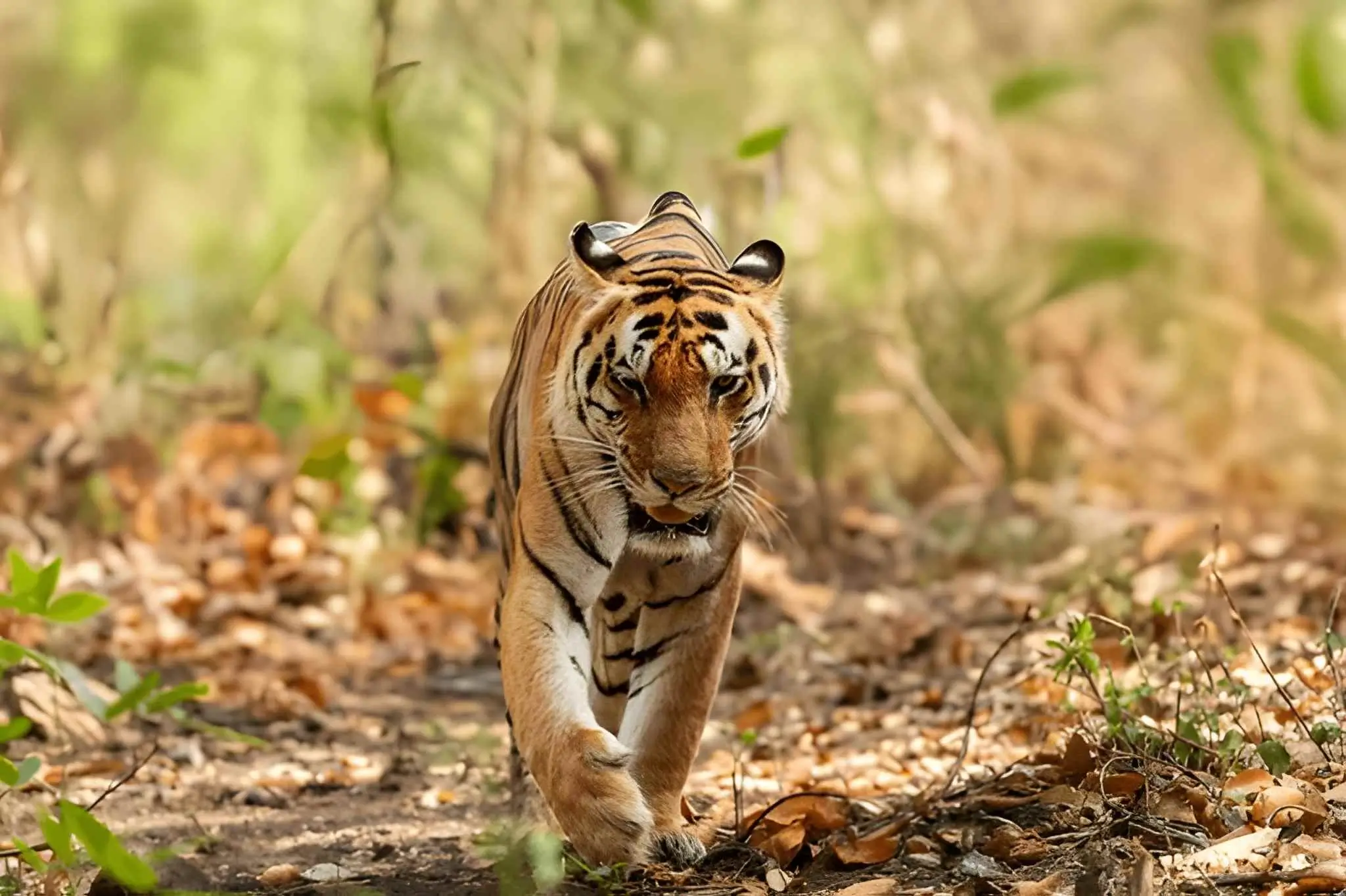
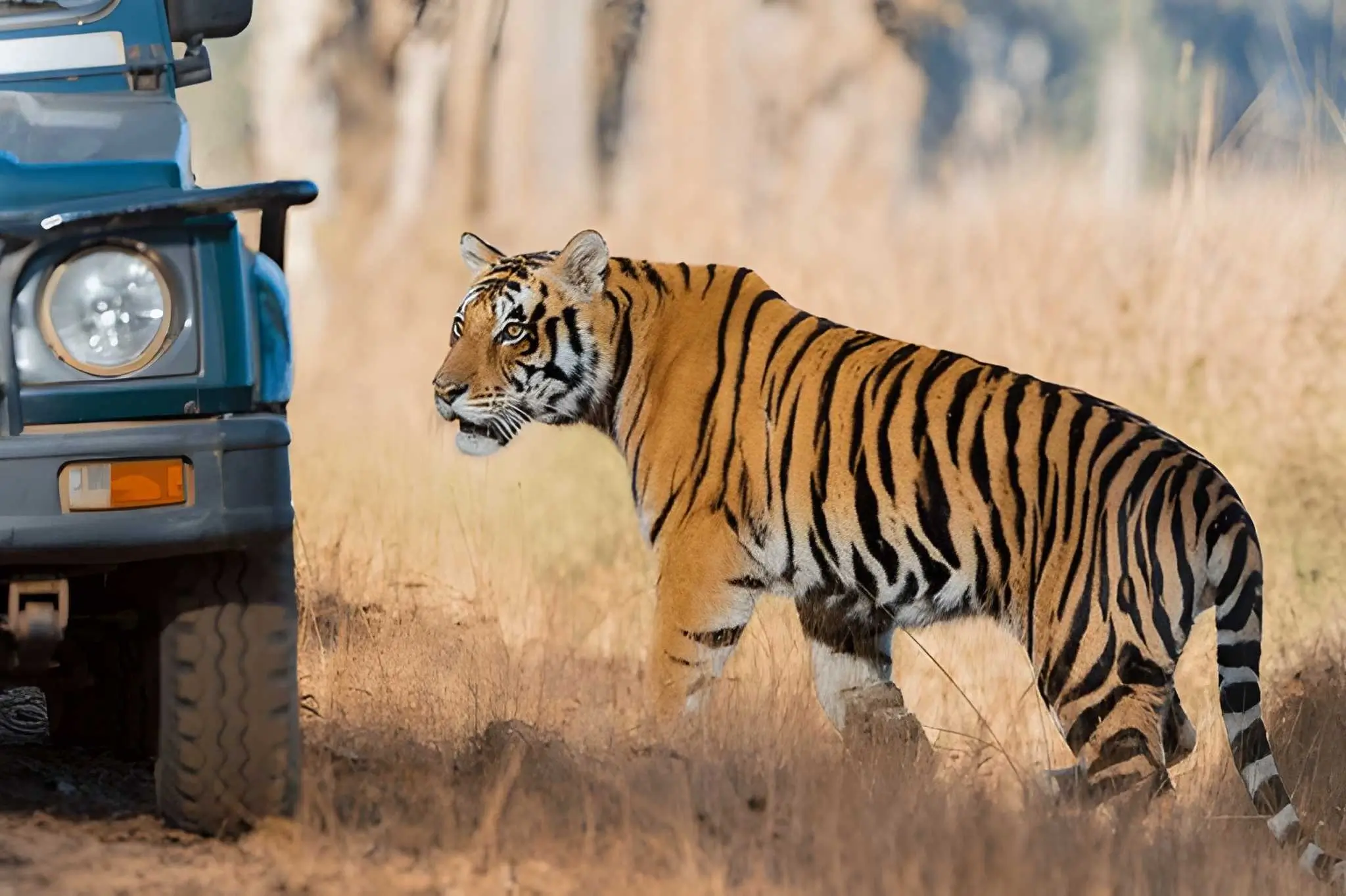
The Bandhavgarh National Park was formerly the hunting field of the Maharajas of Rewa and is well renowned for being home to the Royal Bengal Tigers. The park was named after the Bandhavgarh fort, which is located atop the 800-metre-high cliffs.
Panna National Park
One of India's major efforts to conserve wildlife is Panna National Park, a World Heritage Site. The former monarchs of Panna, Chhatarpur, and Bijawar kingdoms originally owned Panna National Park as a private hunting reserve. The Indian government declared it to be a national park in 1981.
Pench National Park
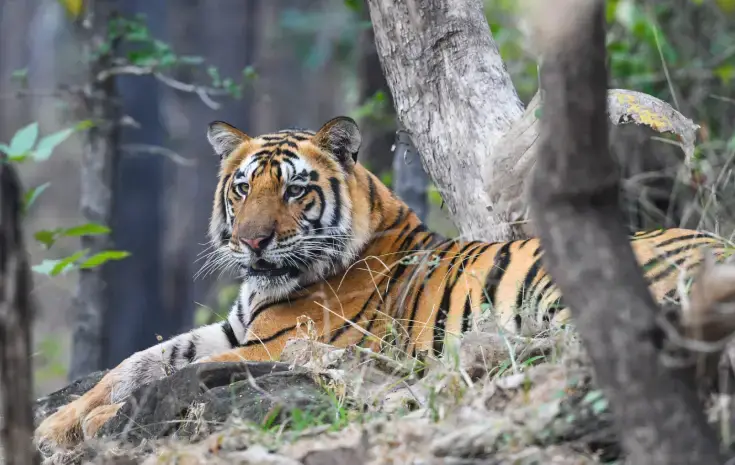
Pench National Park is located in Madhya Pradesh's southern region, which also shares a border with Maharashtra. The Pench River, which runs through the National Park, is the origin of the name of the national park. Pench, with approximately 210 species of birds, is a dream destination for birdwatchers.
Satpura National Park
Satpura National Park is located in the Hoshangabad district of Madhya Pradesh and is situated within the Satpura range. In 1981, well-known bird observer Dr. Salim Ali made the first introduction to this place. This national park is popular among archaeologists due to its collection of ancient rock shelters, each adorned with exquisite artwork.
Kuno National Park
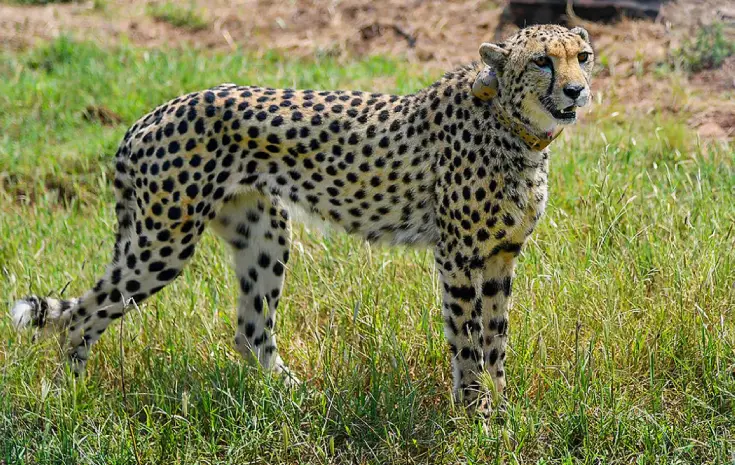
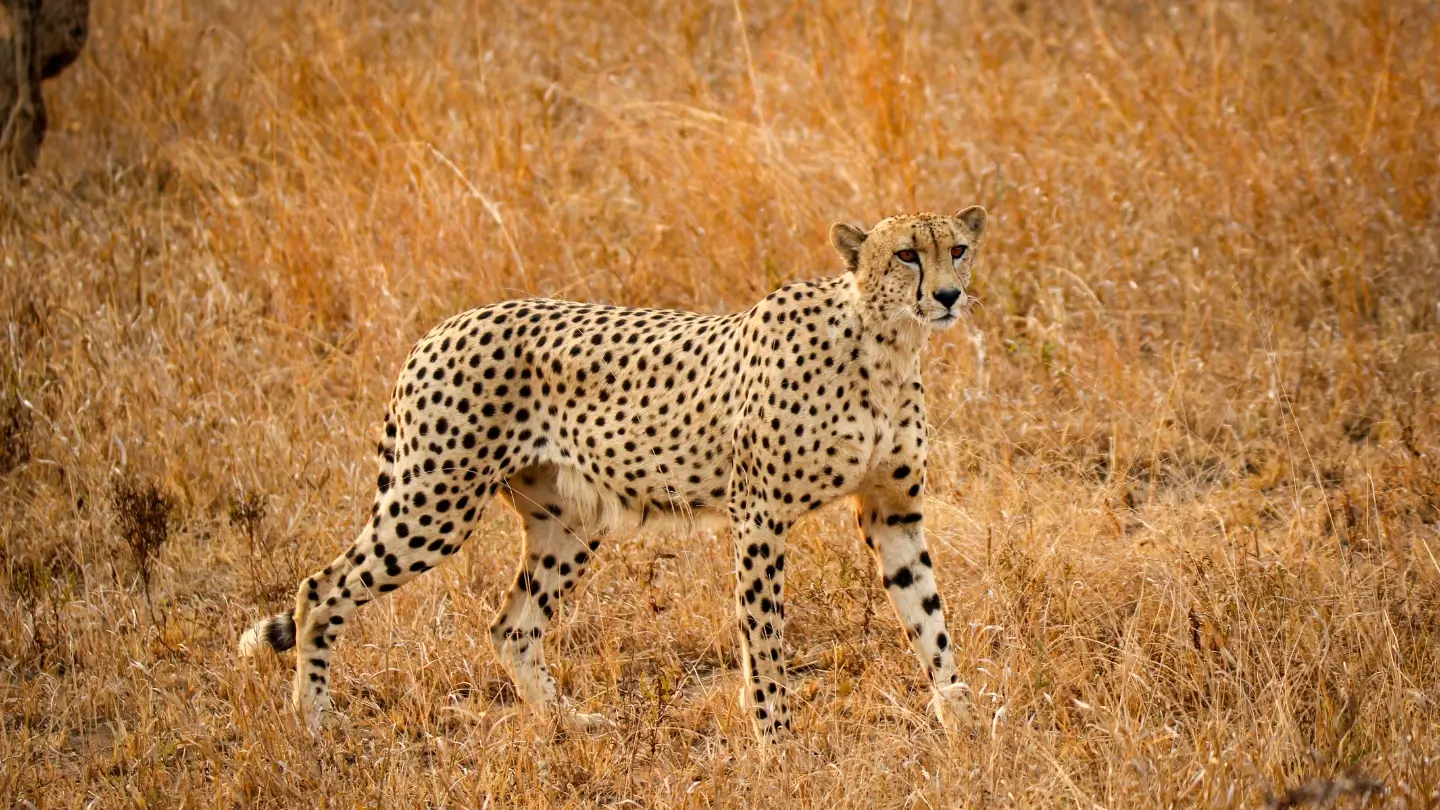
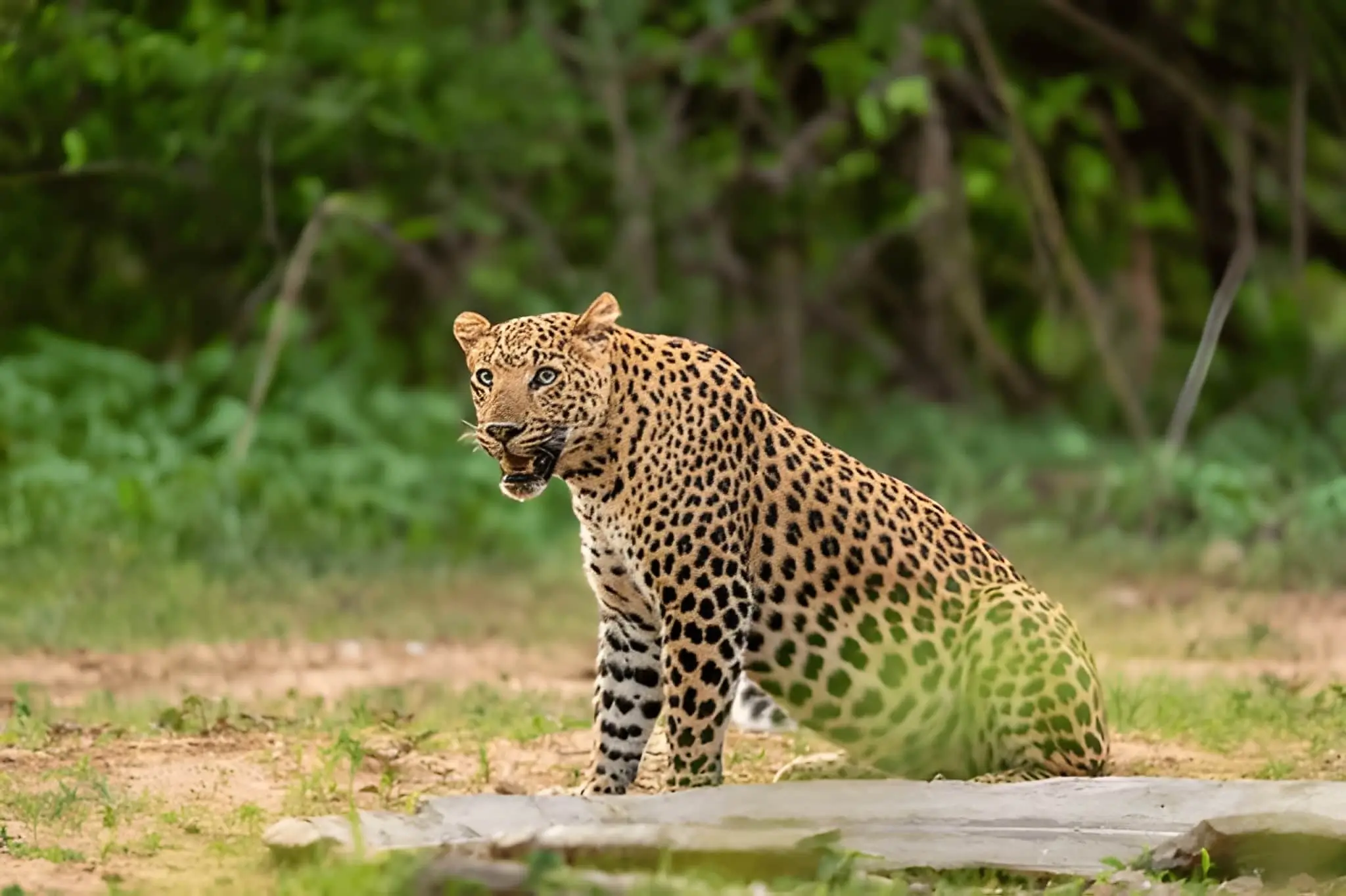
In Madhya Pradesh, the Kuno National Park is situated close to the Vindhyan Hills in the districts of Sheopur and Morena. On September 17, 2022, the Prime Minister of Namibia released eight Asiatic cheetahs into Kuno National Park, marking the park's inclusion on the global conservation and restoration map.
Gwalior
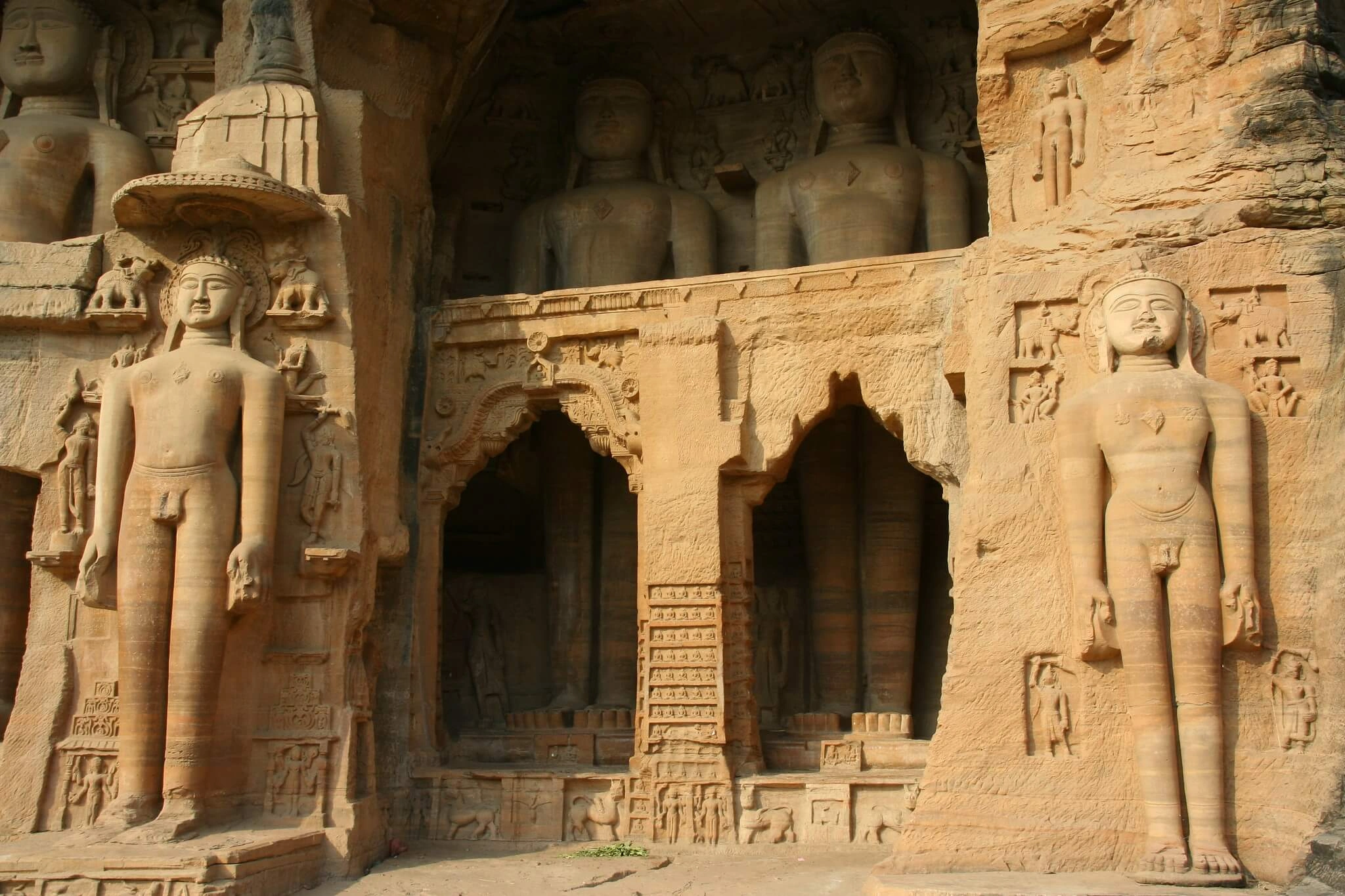
Gwalior, the gem of Madhya Pradesh is a fabulous mixture of histories of majestic rulers, marvellous palaces and glorious temples which adds charm to its beauty. Gwalior city was founded by King Surajsen who once made the city one of the most glorious and royal places in India.
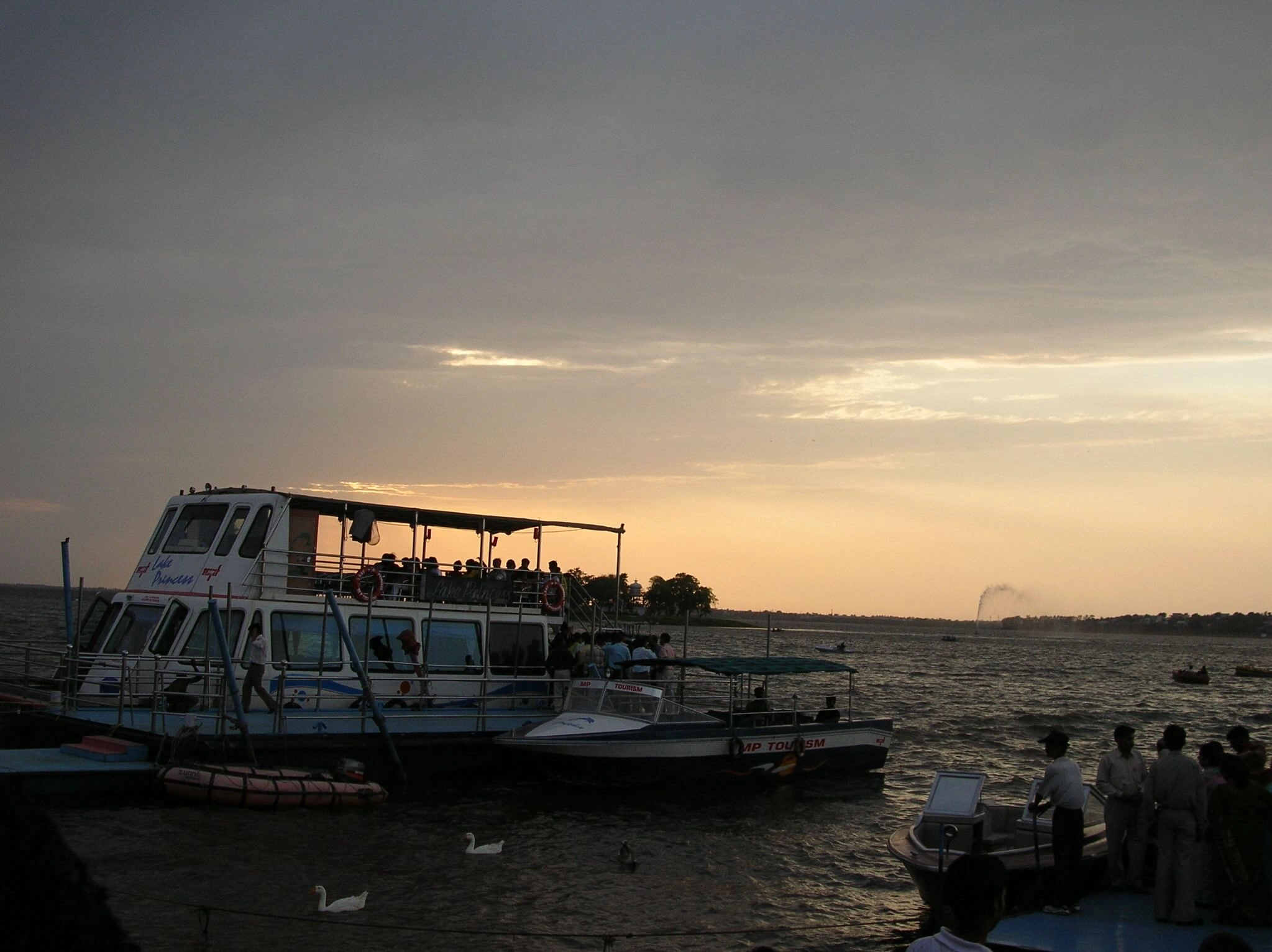
Bhopal
The capital of Madhya Pradesh, Bhopal is a city that is abundant with history. Remnants of the past that seep into its architecture and all that surrounds it, many of the city’s structures can be attributed to the Begums that ruled Bhopal for centuries.




 +91-9212553107
 What'sApp
 Packages
 +91-9212553107