The Sundarban National Park is a tiger and biosphere reserve in West Bengal, India, located in the Sunderbans delta. The Sundari trees that are abundant in this region are the source of the Sundarbans' name. The Sunderbans Tiger Reserve's central region was first established as a wildlife sanctuary in 1977, and on May 4, 1984, it was renamed as a national park. The International Union for Conservation of Nature (IUCN) refers to the Sundarbans, which are located in West Bengal and Bangladesh, as "the global hotspot for human-tiger conflict." India makes up to 40% of the Sundarbans. Its forests and canals, which span India and Bangladesh and are at the meeting point of the Ganges and Brahmaputra Rivers, are home to a diverse array of wildlife, including some species which are facing extinction.
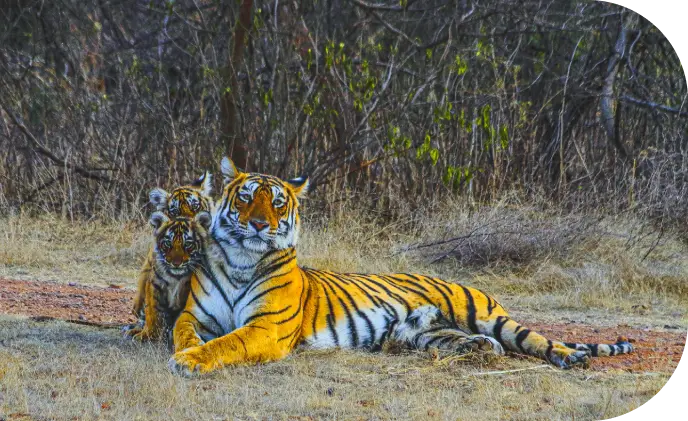
The Indian Sundarban, a group of 105 islands, contains 54 human-inhabited islands with a combined population of almost 45 lakh; the remaining islands are home to tigers. In the 2018 national tiger census, Sundarban had an estimated 88 tigers, up from an estimated 70 in the national census in 2010 and 76 in 2014. Nevertheless, the tiger population was estimated by the West Bengal government's official yearly census to be 96 in both the 2019-20 and 2020-21 surveys.
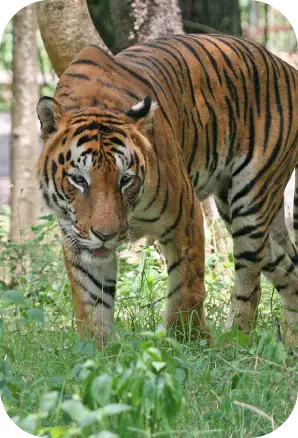
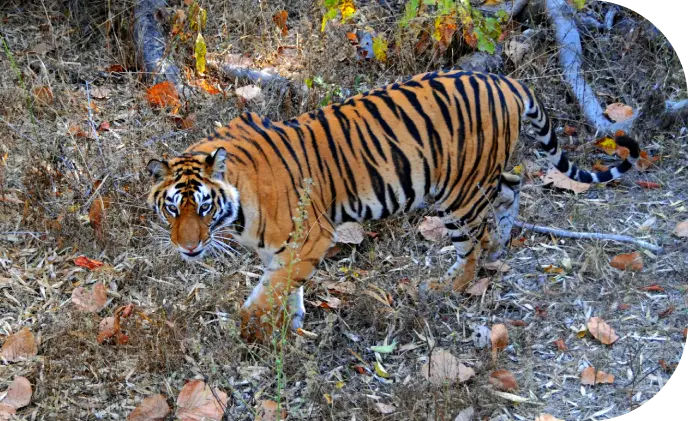
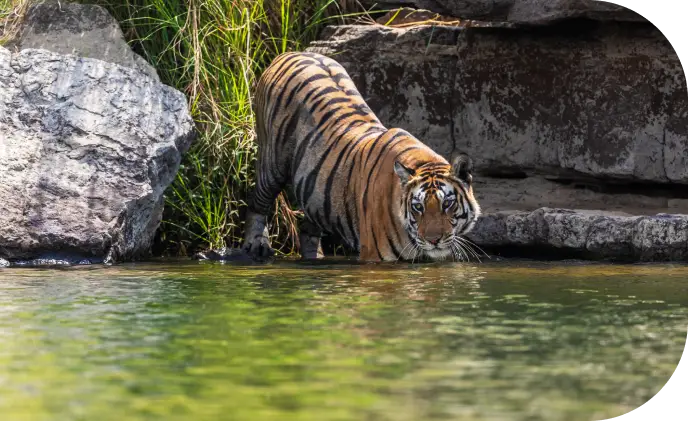
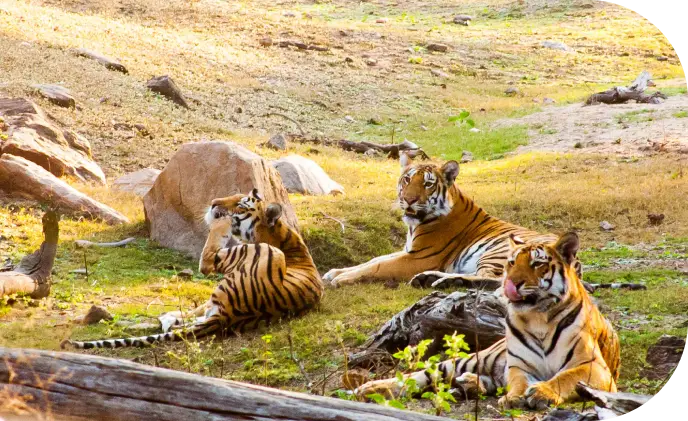
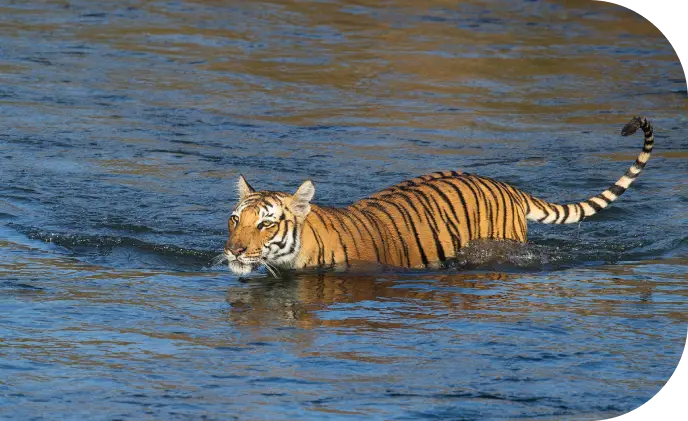
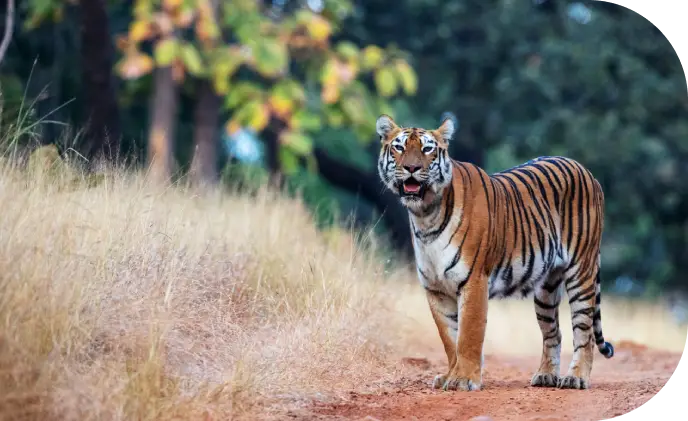
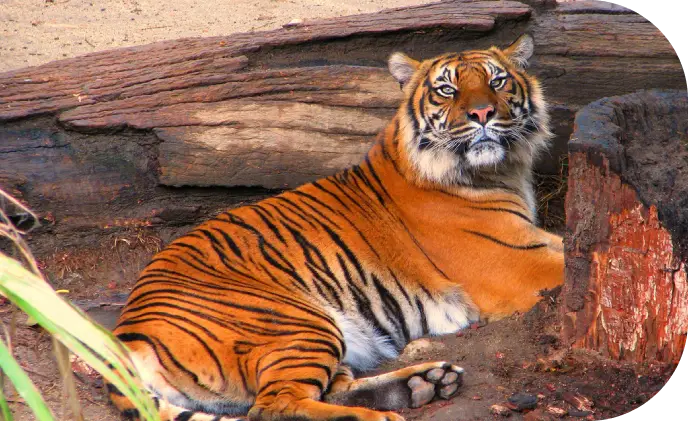
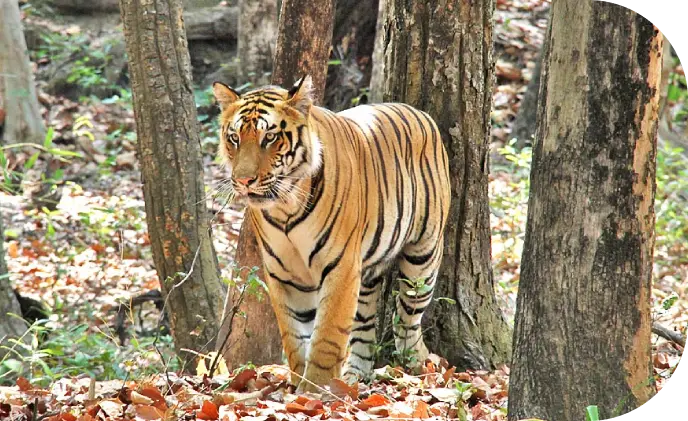
When it comes to visiting Sundarbans National Park, the days between October and March are seen to be the greatest because of the beautiful weather that prevails throughout these months. Winter is the ideal time of year for both comfortable day trips through deep forests and greater sightings of wildlife as they emerge from the forest to sunbathe on the banks of rivers. The world's biggest population of tigers, who can swim great distances and consume fish, crabs, and water monitor lizards, have evolved to an almost aquatic lifestyle because of the mangrove habitat. They are also well-known for being "man-eaters," most likely as a result of their frequent interactions with locals. Other prominent wildlife species found in this park, besides the Bengal Tiger, are macaques, the Indian Grey Mongoose, leopard cats, sea turtles, wild boar, jungle cats, foxes, flying foxes, fishers' cats, chital, pangolins, and several others.
Sundarbans National Park is surrounded by several villages, including Pakhiralay, Dayapur, Bali, and Sajnekhali. Village walks are a popular activity for tourists since they provide an insight into the rural people's way of life. While visiting one of these communities, tourists could observe the traditional way of honey collecting. The roads and canals that connect the Sundarbans National Park to the closest settlements have been kept up to date by West Bengal's tourist agency. The Godkhali port, the beginning point of the Sunderbans trip, is accessible to visitors to the Sundarbans National Park via aeroplane, train, or road. The only way to explore the Sundarbans forest is via water, so visitors can board a small or large boat from the Godkhali port to go deeper into the jungle and see more of its wildlife. Encountering the tigers up close and witnessing a variety of cultural activities while sailing across the river in a boat leads to a nature walk that will leave people with unforgettable memories.
Visitors to Sunderbans National Park are limited to boat safaris. Here, jeep safaris are not offered. In Sundarbans, finding a place to stay is rarely an issue because several hotels and resorts can accommodate one's tastes and budget. There are many different places to stay, ranging from cheap motels and eco-resorts to government-run tourist lodges. Popular for seeing wildlife, Sajnekhali Watch Tower is located in the Sundarbans National Park and is an excellent place to see animals.

The best time to visit Sundarban Tiger Reserve is during the winter months, from November to February. The weather is pleasant during this time, with mild temperatures and less humidity.
No, there are no accommodation options available inside the Sundarban National Park itself. Due to the park's focus on conservation and protection of wildlife, tourist stays are not permitted within the park boundaries.
The Sundarban National Park is famous for its high population of Royal Bengal tigers, but it is also home to a rich variety of other wildlife animals. Some of the popular animals you can spot here include spotted deer, wild boar, monkeys, Gangetic dolphins, saltwater crocodiles, and numerous bird species.
Boat safaris are the primary mode of exploring the Sundarban National park.But, there are no elephant safaris available in Sundarban. The park's terrain is not suitable for elephant rides, and the park authorities prioritize the safety of both wildlife and visitors.
 +91-9212553107
 What'sApp


 Packages
 +91-9212553107