Panna is a live and historical example of a tiger conservation success story in India. Once completely devoid of big cats, the jungle of Panna is now home to more than 50 tigers.
The 22nd tiger reserve of India and 5th in the state of Madhya Pradesh, Panna National Park straddles two districts, Panna and Chhatarpur. It is perched in the Vindhya Ranges and spreads over an area of 1645.08 square kilometres, including a core area of 542.66 square kilometres and a buffer area of 1002.42 square kilometres. Panna is referred to as a critical tiger habitat; it went through a phase of having almost zero tigers in 2009 due to poaching but successfully created history by bringing back the population from 0 to 54 within 10 years.
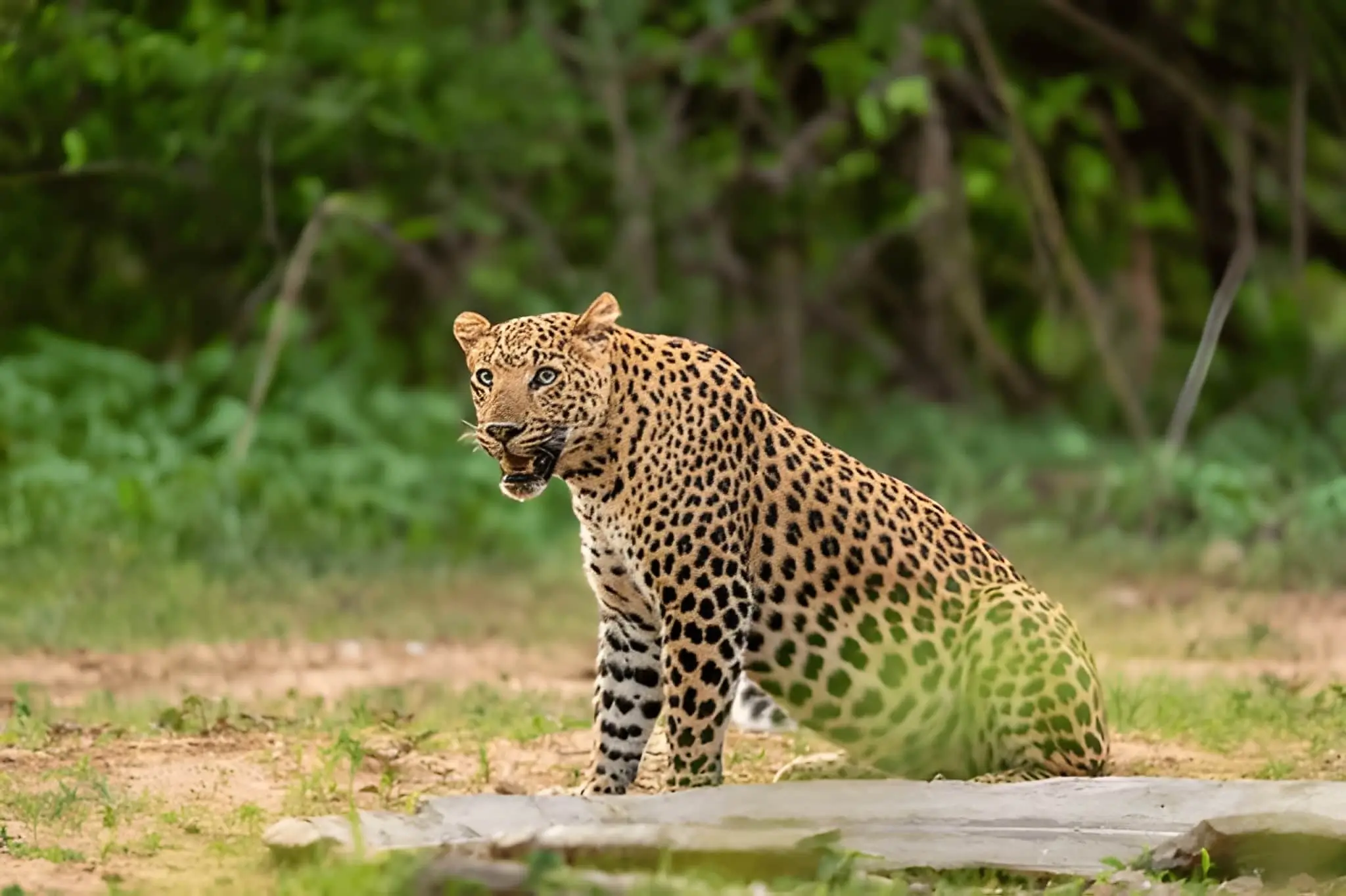
Apart from wildlife like Bengal tigers, Indian leopards, nilgai, sambar and others, Panna is called the land of natural beauty. It has mesmerising waterfalls, verdant forests, glowing rivers and steep hills. People also like to explore this place for its legends, cultural richness and archaeological wonders. The nearest airports to Panna are Khajuraho and Jabalpur while some of the nearby main railheads are Khajuraho, Jhansi, Satna and Katni. Apart from wildlife and nature, tourists also come here to visit some of the amazing historical places nearby and within the park such as Pandava Caves and Falls, Raneh Falls, Jugal Kishoreji Temple, Mahamati Prannathji Temple, Madla Village, Ajaygarh Fort and more.
Like other national parks in central India, Panna was once a private hunting ground for the former rulers of Chhatarpur, Panna and Bijawar states. The region was called Gangau Wildlife Sanctuary in 1975, which was formed by two forest divisions, North and South Panna. Later, in 1978, Chhatarpur Forest Division was added to extend the area of the sanctuary. After three years of this extension, in 1981, it was declared a national park. In 1994, it came under the Project Tiger and was announced as the 22nd tiger reserve in the country. Moreover, in 2020, it was designated as Panna Biosphere Reserve by UNESCO.
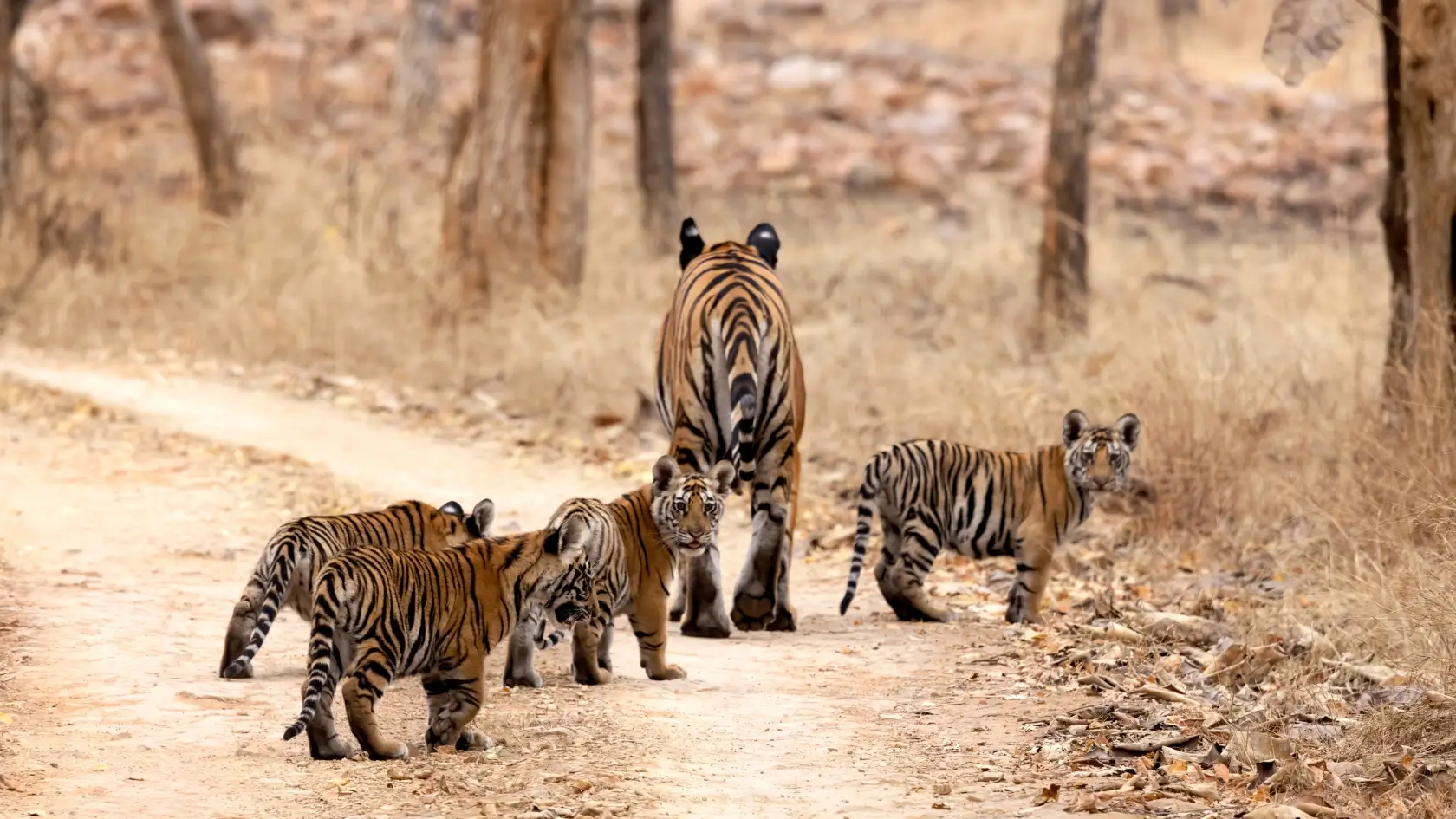
The interesting story about Panna is undoubtedly how it brought back its big cat population. Just after two years of it being awarded by the Ministry of Tourism for achieving the top position in the list of well-maintained national parks in the country, the official tiger population of the park shockingly came out zero due to illegal poaching. The authority faced a nationwide backlash by the wildlife enthusiasts. But, within 10 years, under the guidance of the then IFS Director of Panna, R Sreenivasa Murthy, the count reached at 54. Moreover, as per the latest survey done in 2022, there are 70 tigers in Panna National Park including male, female and cubs.
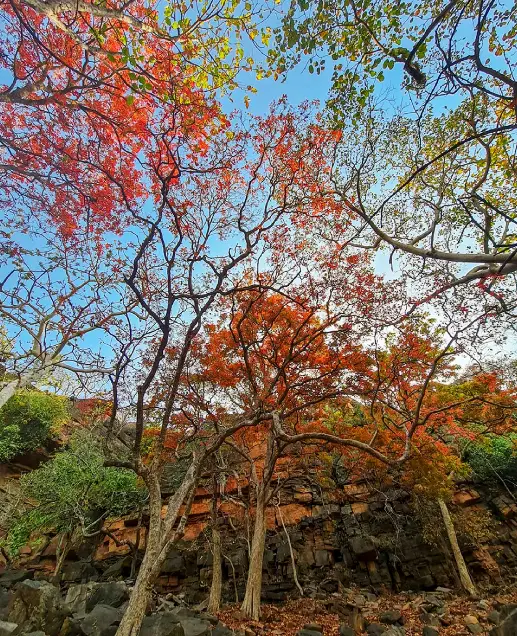
Panna National Park falls under the region of dry and hot climate weather. Moreover, the Ken River flows northeast for around 72 kilometres through the park and makes the region a flourishing ground for a diverse range of flora. Along with that, the shallow Vindhyan soils also help the region to become dry Teak and dry mixed forest. However, the dry deciduous forest along with grasslands which are the ideal shelter for animals like Bengal Tigers, found dominating in Panna National Park. Some of the major floral species found here are
Diospyros melanoxylon, Tectona grandis, Madhuca indica, Anogeissus latifolia, Buchnania latifolia, Anogeissus pendula, Bosswelia serrata, Lannea coromandelica, etc. Other than these, the reserve forest also includes open grasslands, riverines, thorny woodlands and open woodlands with tall grasses. Some of the grass species found here are Themeda quadrivalvis, Apluda mutica, Arishtida sp., Meteropogon contortus, etc. Shrubs like Grewia sp., Lantana camera, Nyctanthus arbortristis etc. are also found in Panna National Park.
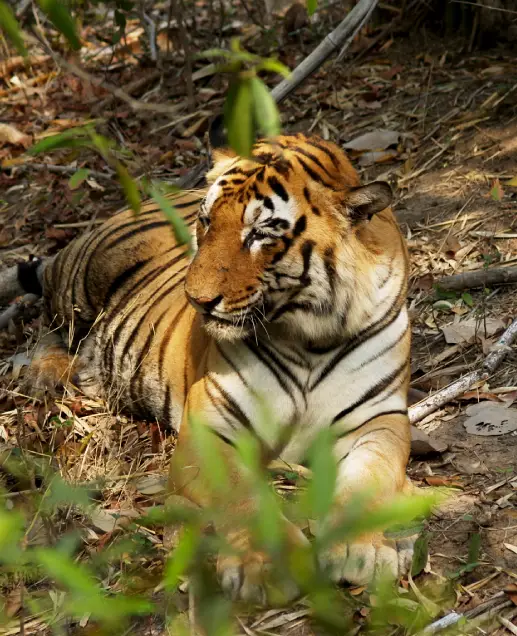
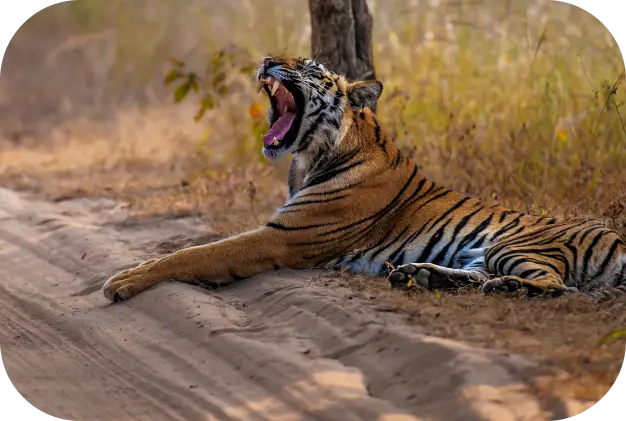
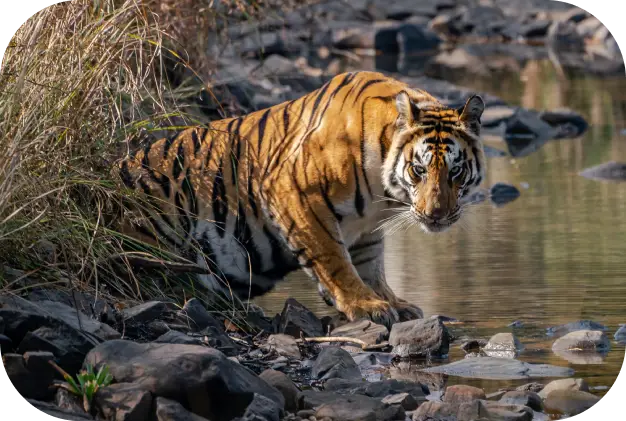
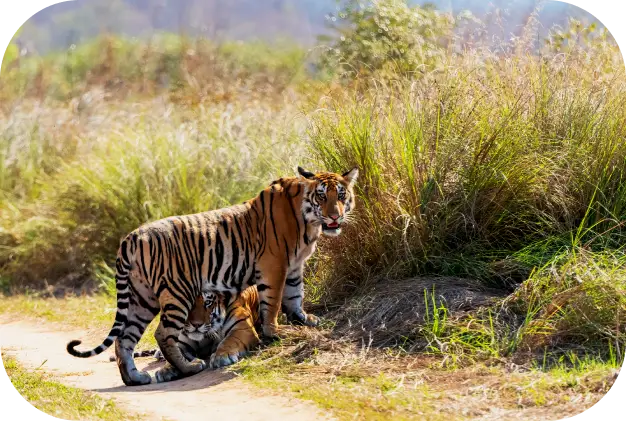
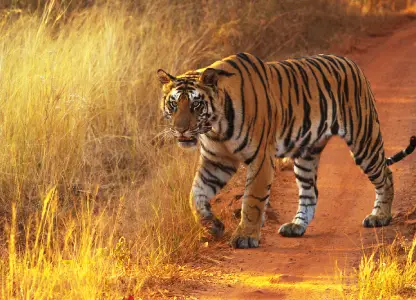
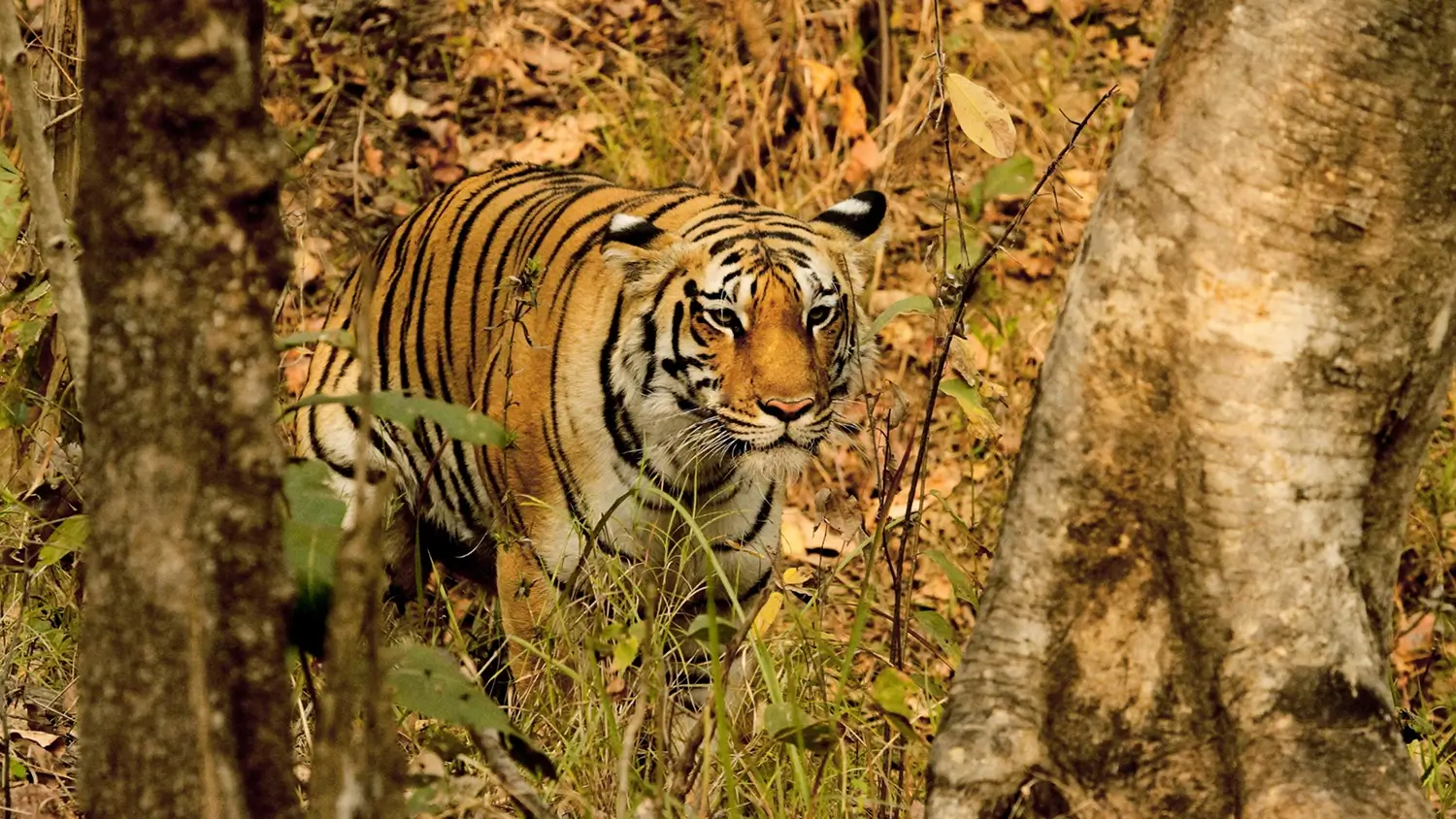
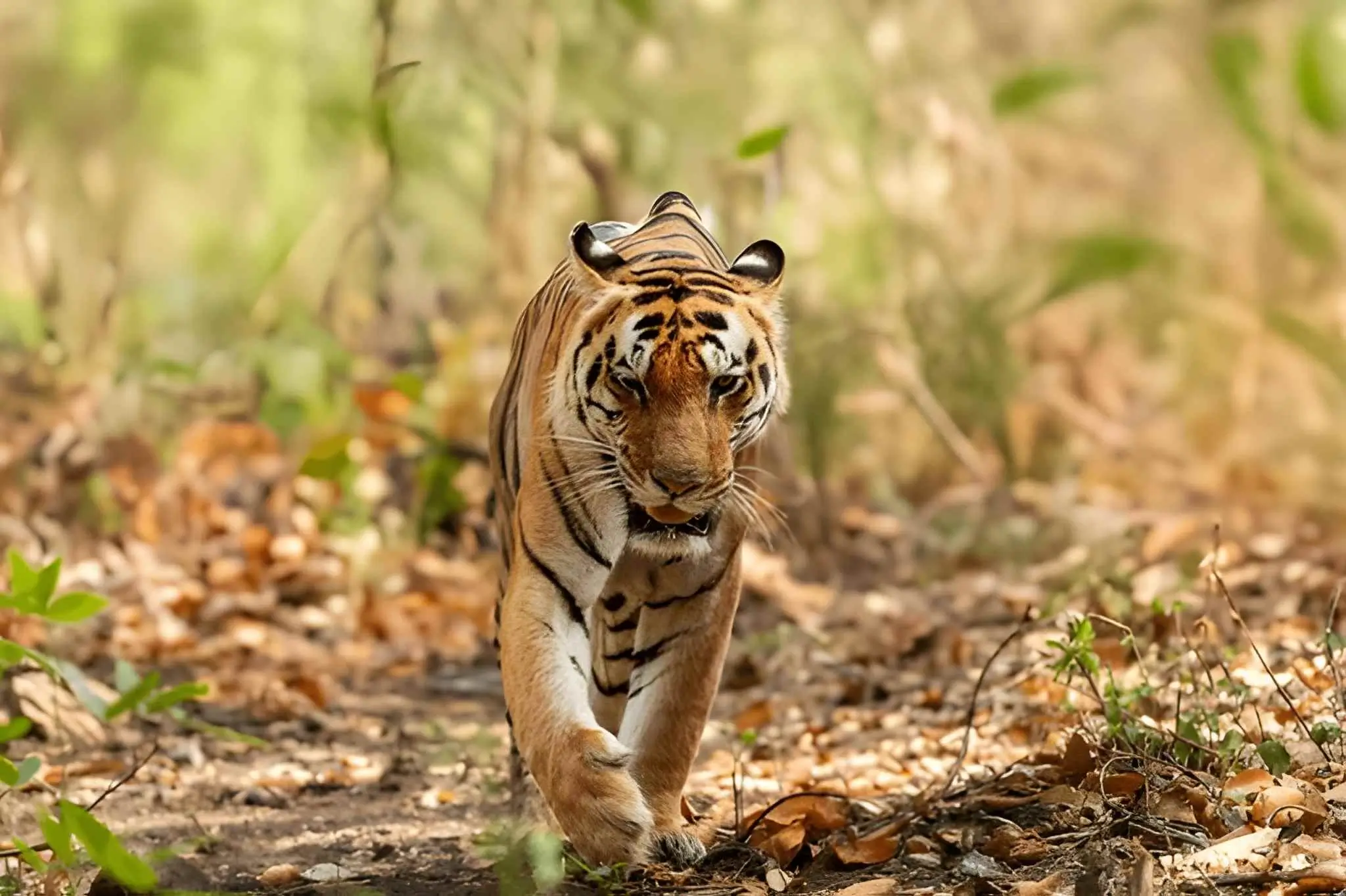
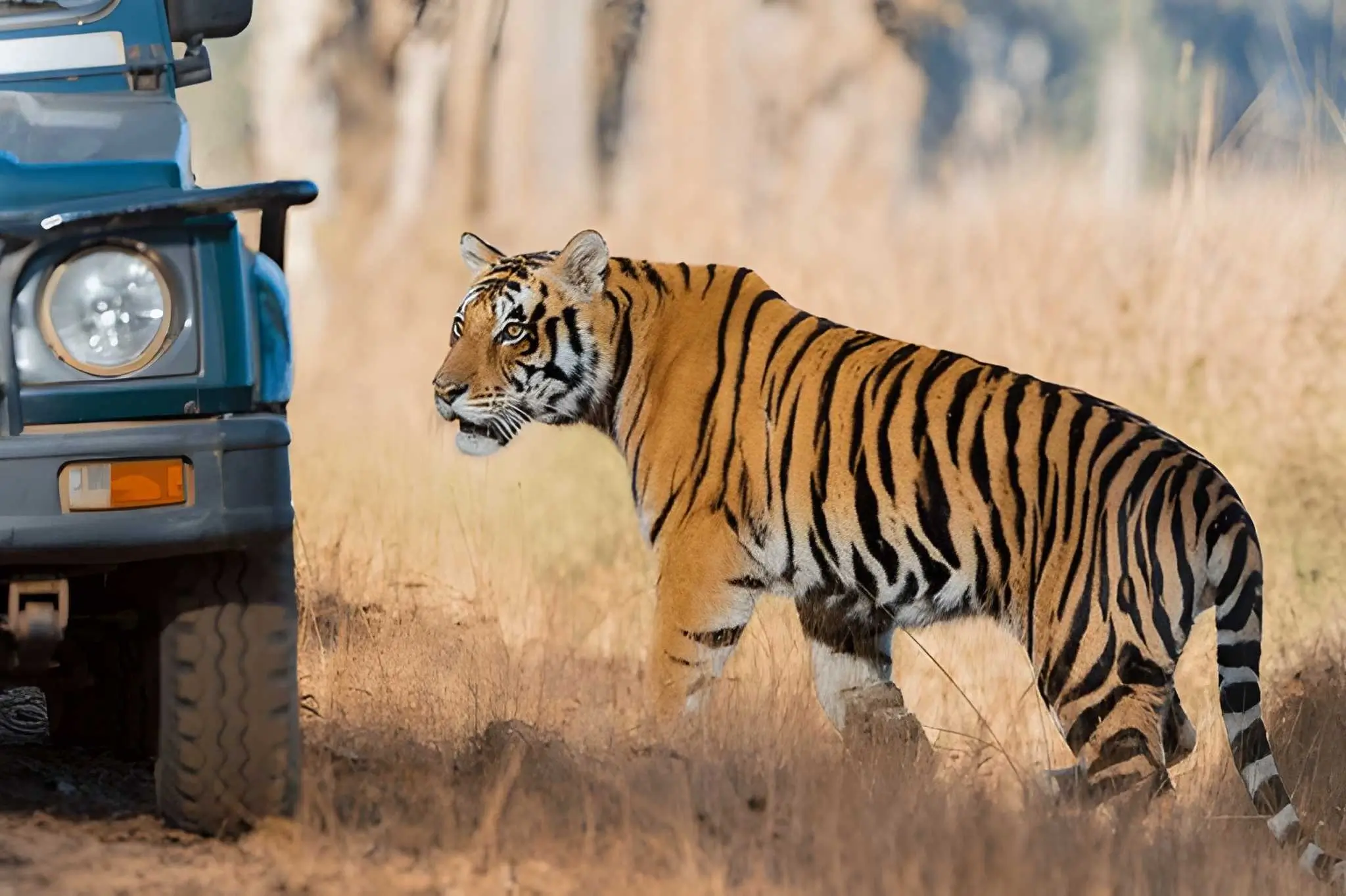
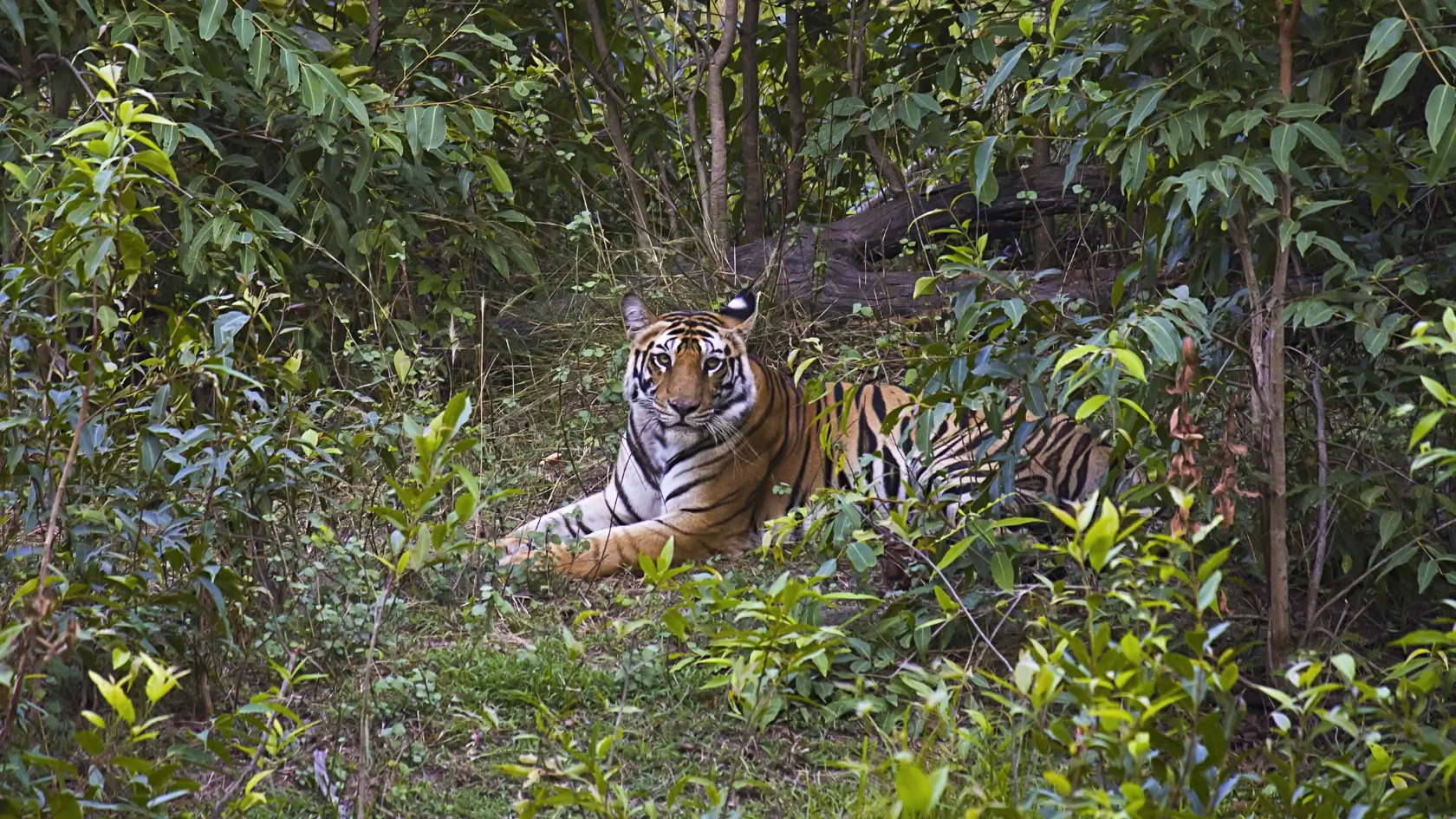
Panna National Park and Tiger Reserve is referred to as one of the famous places for tiger sightings. Currently, it is home to around 70 big cats and they roam freely in this secured land.
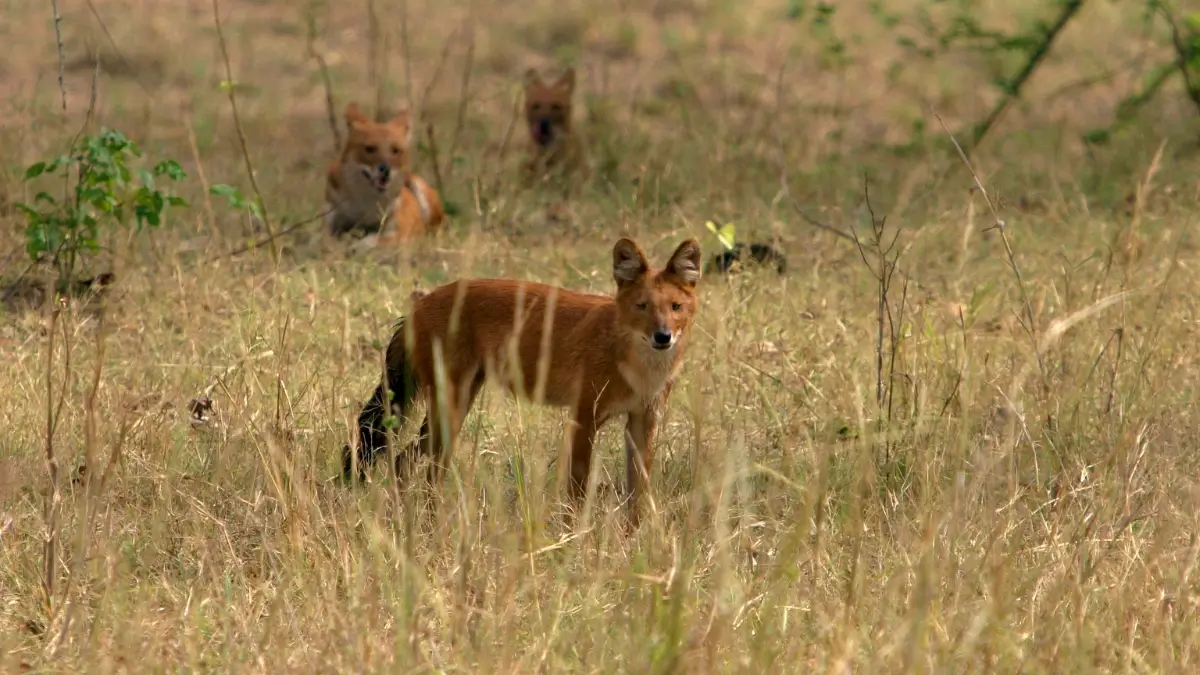
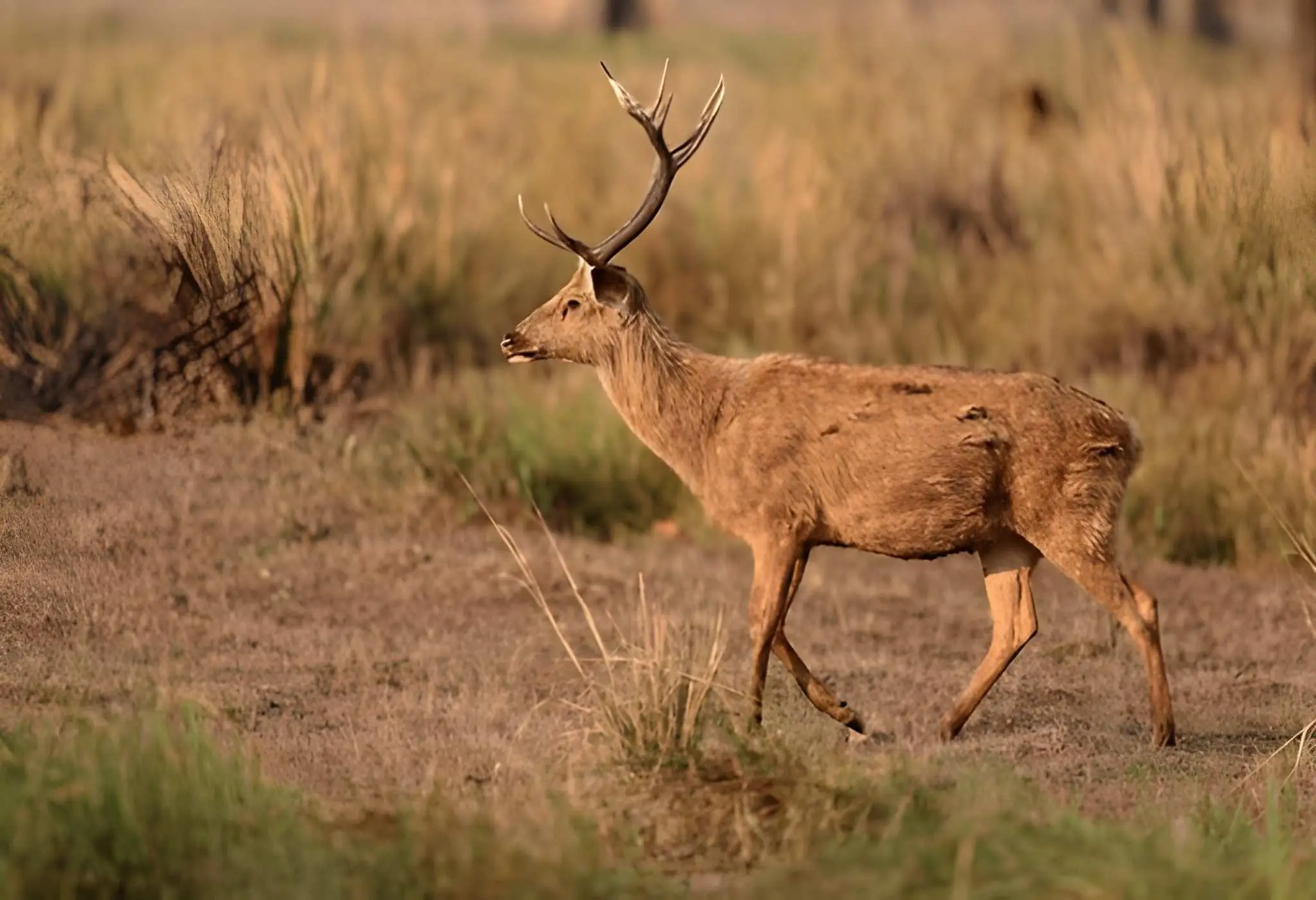
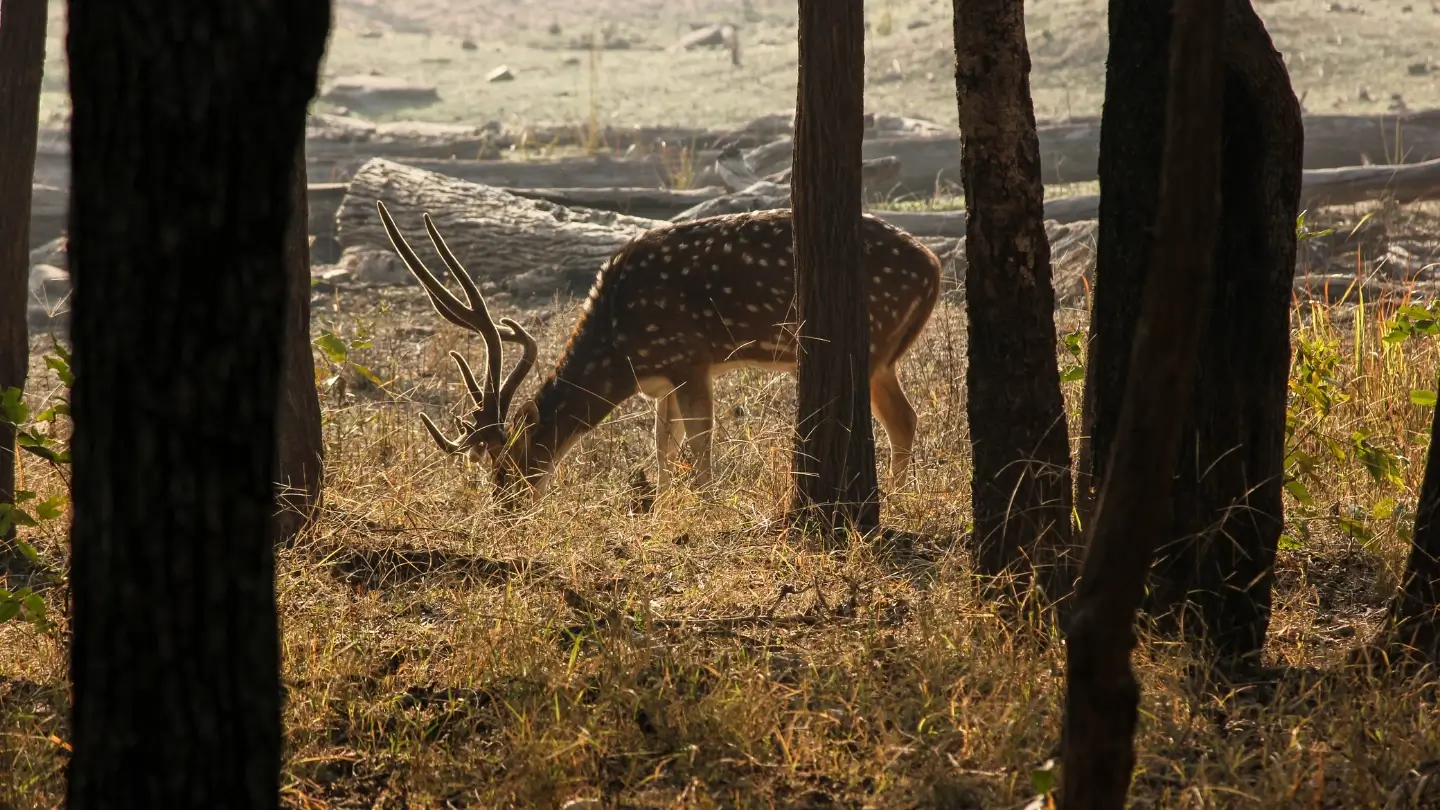
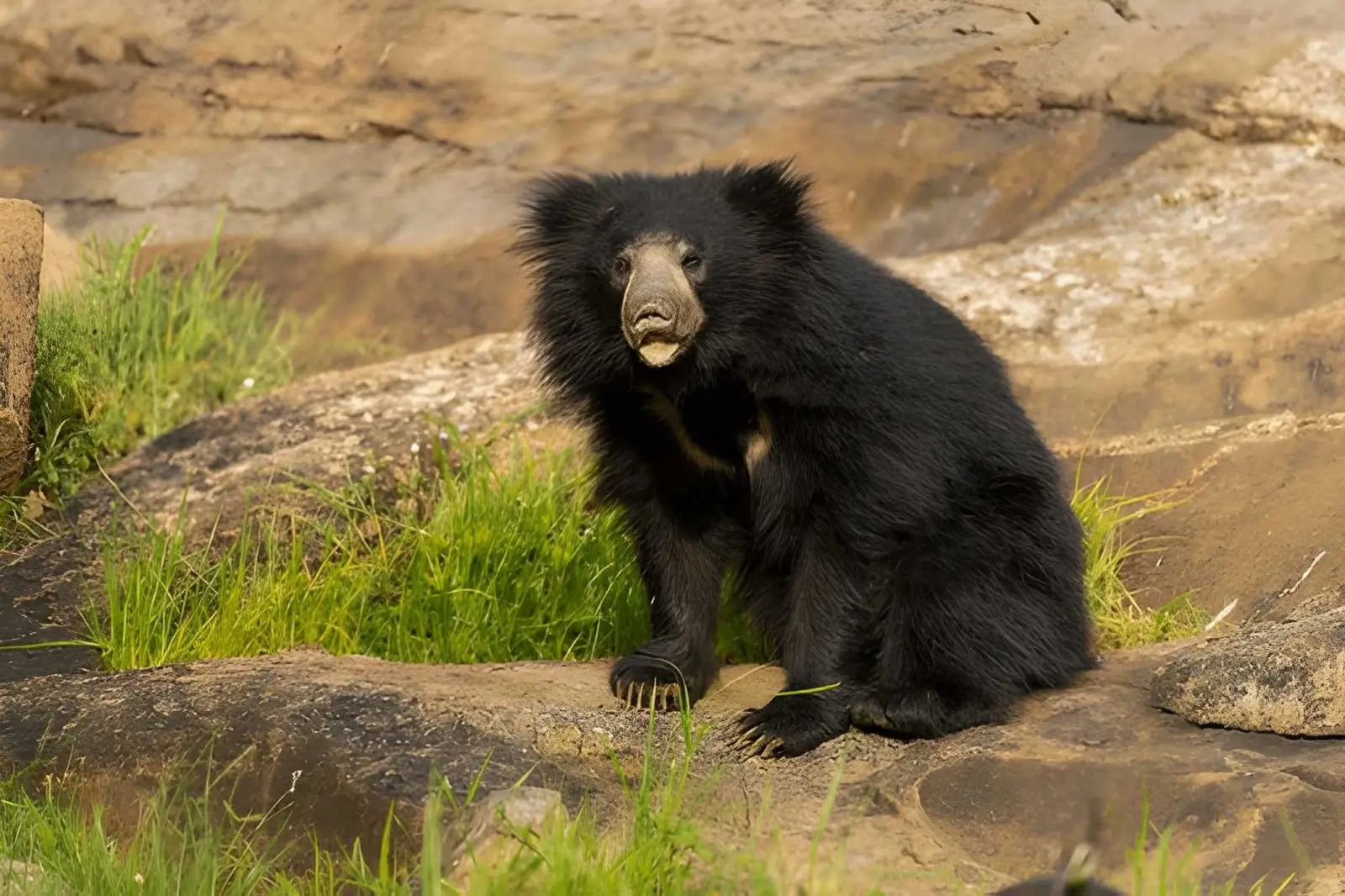
Some of the famous tigers in Panna are T4 (who is one of the founder tigers in reintroduction programme), T1 (reintroduced from Bandhavgarh), T2 (came from Kanha) and T3 (reintroduced from Pench). Along with the big cats, other mammals found here are leopard, wild dog, wolf, sambar, caracal, hyaena, smaller cats, sloth bears, chital, chowsingha and more. Nilgai and chinkara are mostly seen in the open grasslands in the national park.
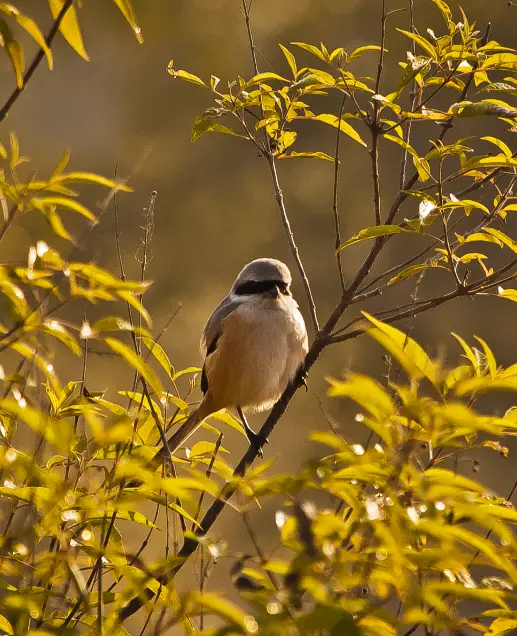
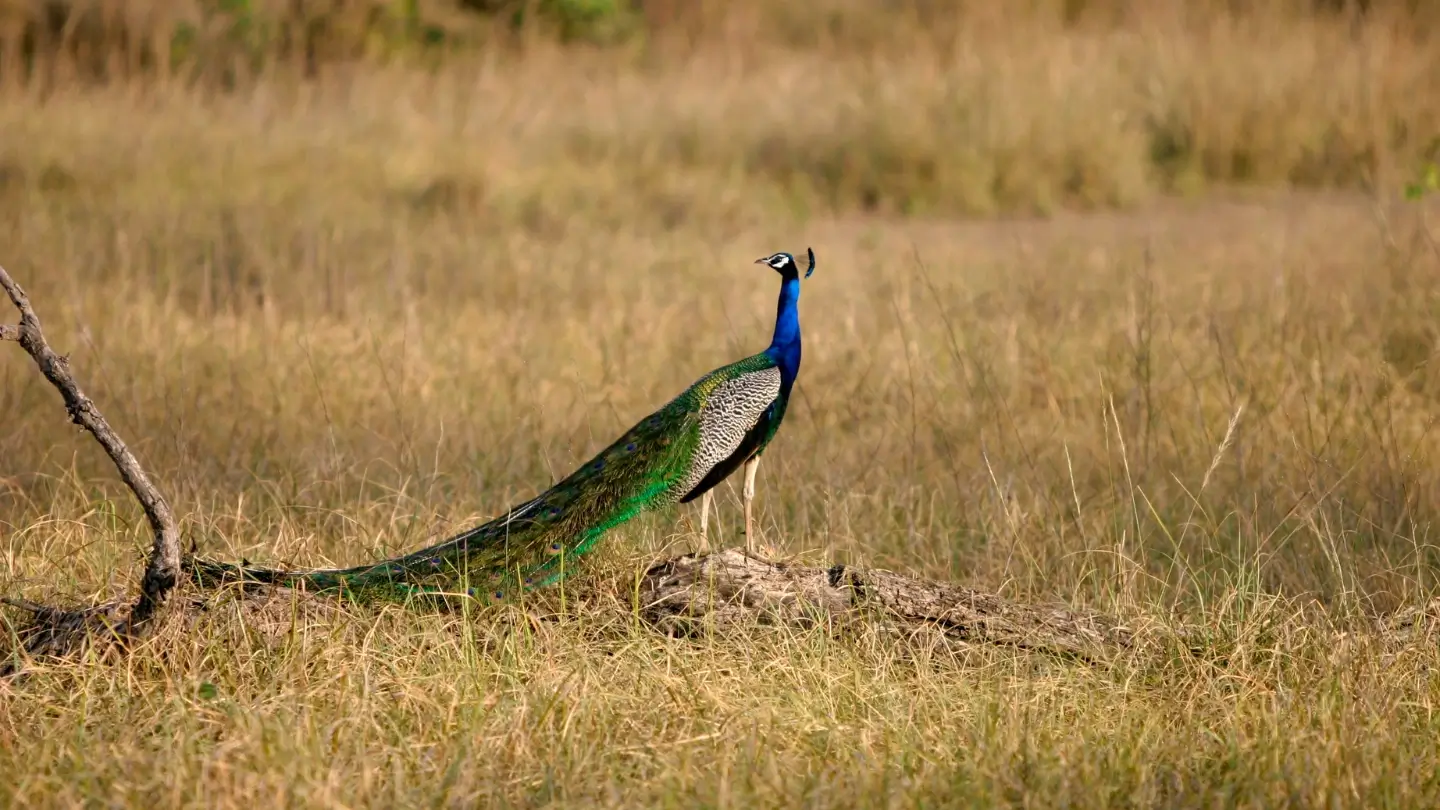
Panna National Park is home to more than 200 species of birds including migratory ones.
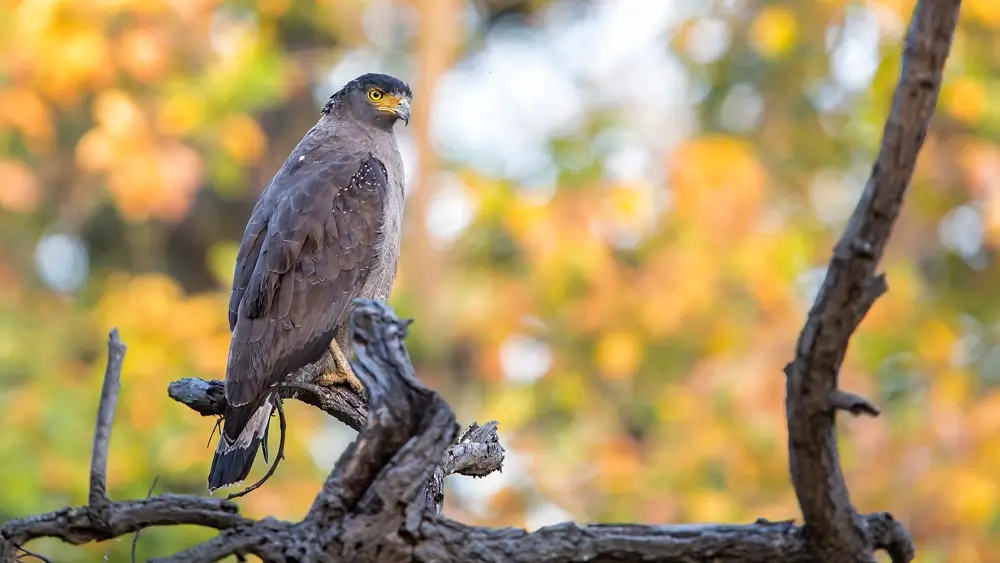
Some of the birds found here are bar-headed goose, red-headed vulture, crested honey buzzard, blossom-headed parakeet, Indian vulture and changeable hawk-eagle.
Three types of safari are available in Panna National Park to let the visitors explore the wildlife and nature of the forests. These safari trips are conducted generally in two shifts, mornings and afternoons. Night safari is also available in Panna National Park but those are only available in the buffer areas.
Safari Timings in Panna National Park change according to the season. The timings of the shifts are not the same in summer and winter.
Between March and June :
Between October and February :
Night Safari : 6:00 PM to 9:00 PM (March to September)
There are two core zones in Panna and they are :
The buffer zones in Panna are :
Like almost all national parks in India, Panna National Park also remains opened from mid-October to mid-June. Hence, the best time to visit this park is from November to March.
Panna National Park is well-connected by train. The nearest railway station is Khajuraho Railway Station, approximately 45 kilometers away. From there, visitors can hire a taxi or take a bus to reach the national park. Khajuraho Railway Station is linked to major cities, making train travel a convenient option for those planning to explore the wildlife wonders of Panna.
For road travel enthusiasts, Panna National Park offers excellent connectivity through well-maintained road networks. One can opt for private taxis, buses, or drive to the park. The national park is accessible from major cities like Khajuraho (45 km), Satna (90 km), and Jabalpur (230 km). A scenic drive through the picturesque landscapes adds to the overall travel experience.
While Panna does not have its own airport, the nearest domestic airport is Khajuraho Airport (45 km away). This airport is well-connected to major cities like Delhi, Varanasi, and Mumbai. Upon landing, visitors can hire taxis or take a bus to reach Panna National Park. Alternatively, the nearest international airport is in Khajuraho, making air travel a convenient option for those planning a quick and comfortable journey to explore the rich biodiversity of Panna National Park.

View this Tour

View this Tour
View this Tour
View this Tour
View this Tour
View this Tour
View this Tour
View this Tour
View this Tour
The best time to visit Panna Tiger Reserve is between October and March when the weather is cool and pleasant, ranging from 10°C to 25°C. The park remains closed during the monsoon season from July to September.
Panna Tiger Reserve is known for tigers and a variety of other wildlife including chital, sambar, nilgai, chinkara, chowsingha, langur, wild boar, jackal, and crocodiles. It is also an important habitat for several species of vultures.
Elephant safaris are not available in Panna National Park. Most wildlife reserves in India do not permit elephant rides due to animal welfare considerations.
 +91-9212553107
 What'sApp


 Packages
 +91-9212553107