Ranthambore National Park is located in Rajasthan, approximately 13.5 km from Sawai Madhopur. This is one of the best spots to see wild animals since they are habituated to being observed here. It is situated at the intersection of the Aravali and Vindhya hill ranges. Together with the Sawai Man Singh Sanctuary region, the park's total size is around 500 square kilometres (400 sq km). The Indian government first created the Sawai Madhopur Game Sanctuary in 1955, which later became Ranthambore National Park and was designated as one of India's Project Tiger reserves in 1973. Ranthambore was designated as a national park on November 1st, 1980, and the forests that surrounded it were given the names Sawai Man Singh Sanctuary and Keladevi Sanctuary.
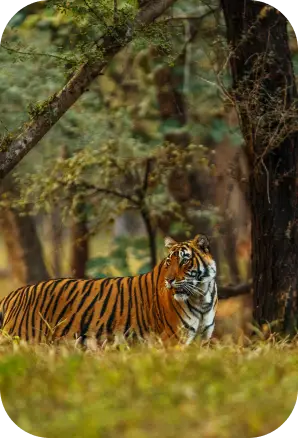
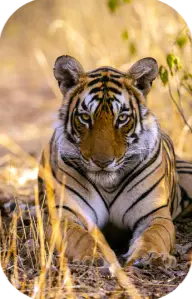
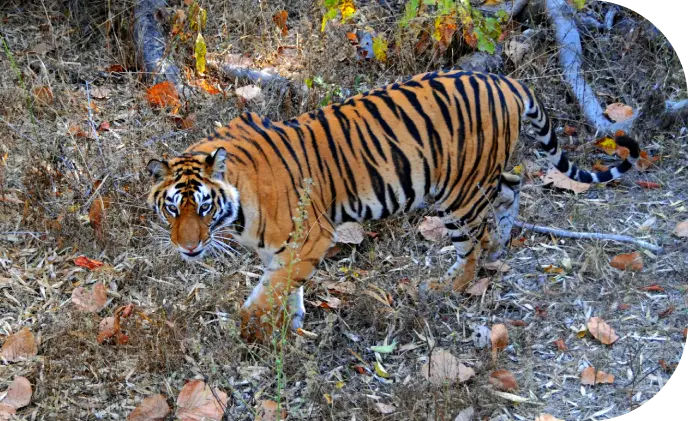
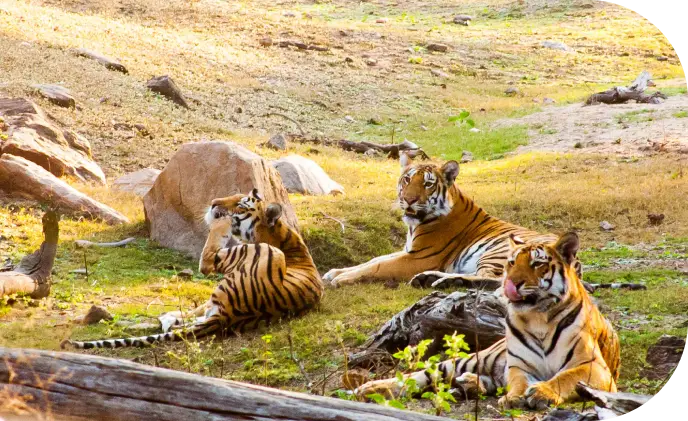
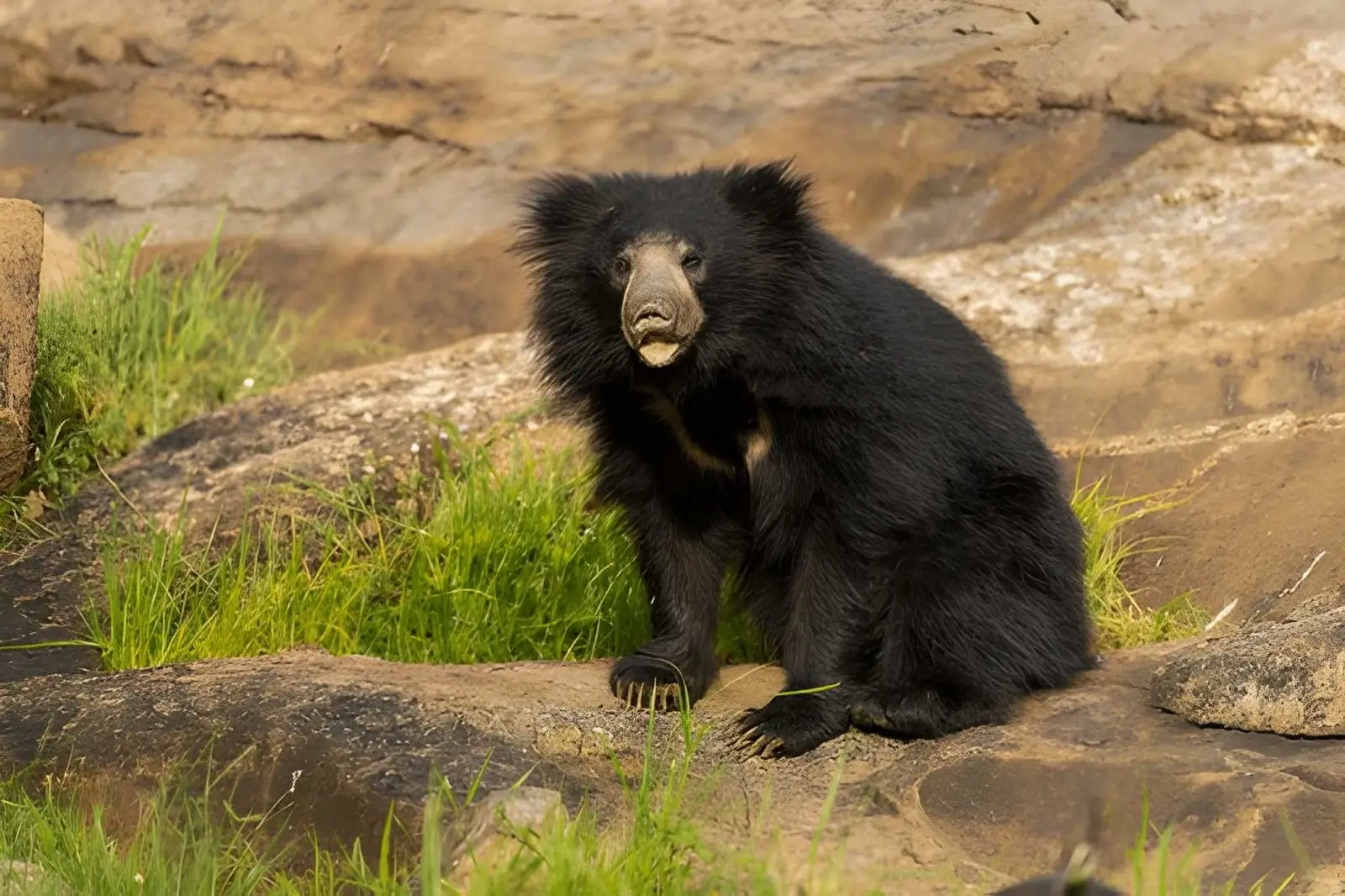
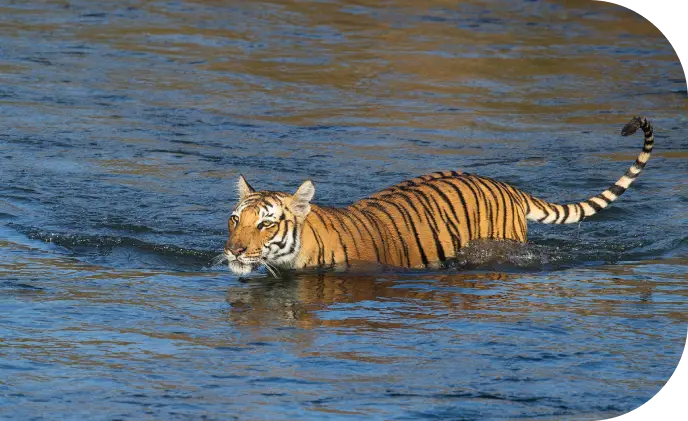
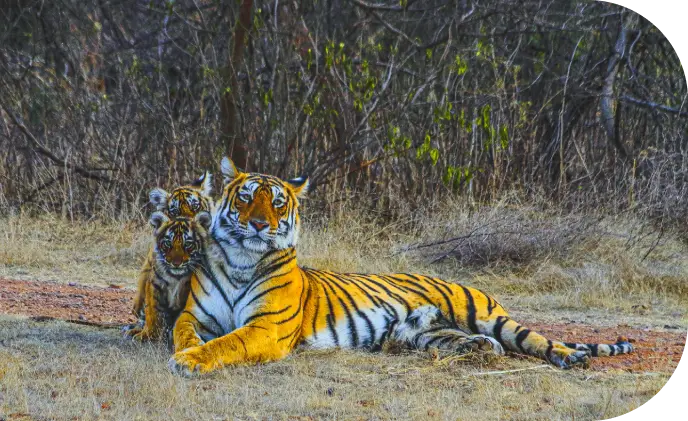
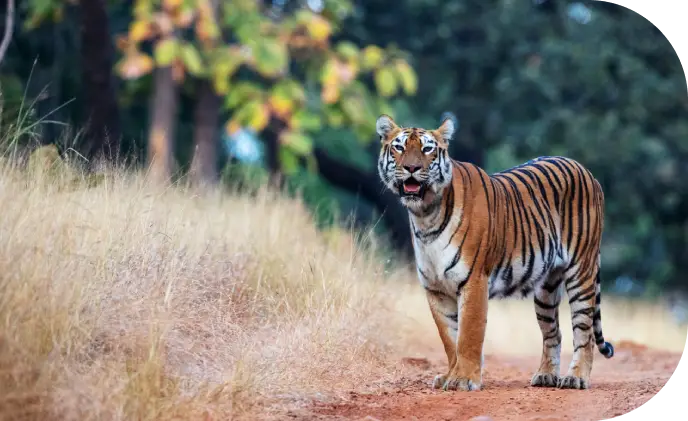
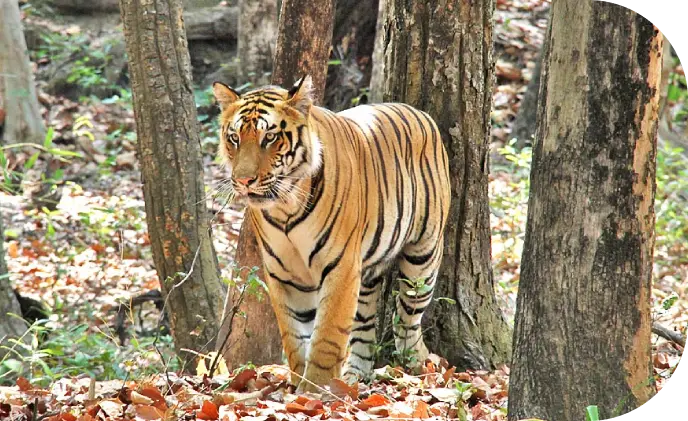
The Ranthambhore National Park Safari is a renowned tourist attraction as thousands of tiger enthusiasts go from all over the world to this forest park each year during the safari season since it is home to several of the widely recognised tigers. The famous Bengal tiger is just one of the many types of wildlife found in Ranthambore National Park. Other animals include leopards, sloth bears, hyenas, and several species of deer, such as sambar, chital, and nilgai. With over 300 species of resident and migratory birds, the park is a year-round destination for birdwatchers. It is also a paradise for birdwatchers. Because there is very little rainfall in the vicinity of the national park, the majority of the plant life is dry deciduous. The most famous tiger in the world, among many others, was the tigress Machli. She passed away in August 2016, however, she left behind a lot of stories from her early years. Numerous nature documentaries, films, and television series have been influenced by her extraordinary bravery and resilience.
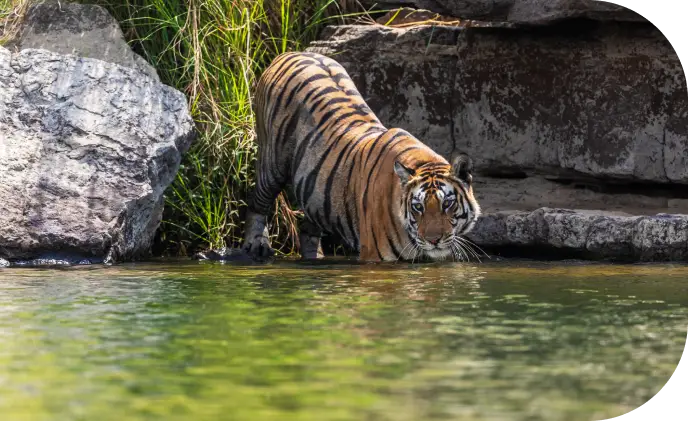
Multiple structures in Ranthambore National Park bring back memories of earlier times. In addition to its thriving tiger reserve, the Ranthambhore National Park is home to other heritage monuments, including the majestic Ranthambore Fort, the Jogi Mahal, the ancient temple, and the Raj Bagh ruins, which serve as memories of the once-great Ranthambore rulers' splendour. The massive Ranthambore fort, which inspired the park's name, rises above the park from atop a hill. The park is filled with various sources of water, which offer the wild creatures necessary relief from the intense summer heat. This forest, which is made up of tiny hills, valleys, and lush greenery, is being enhanced by several attractive lakes, including Padam Talao, Malik Talao, Raj Bagh Talao, and others. The Banas River and Chambal River encircle the park from both directions, adding to the untamed atmosphere of the Ranthambhore forest. The rainforest has a distinct, magnificent, and varied taste of environment, history, and fauna because of the numerous ancient ruins that are dispersed across it. It has been reported that tigers in Ranthambore National Park even hunt in broad daylight for human observers.
The optimum time to visit the park is from October to April, however it is open from October to June. The weather is nice during these months, and there's a good possibility of seeing tigers. But it's best to stay away from the scorching summer months when the heat can become obstructive. Jeep Safari and Canter Safari are the two safari alternatives available in Ranthambore National Park. Carry only the necessities, such as cameras, bug repellant, a hat, sunscreen, binoculars, and comfy shoes. Ranthambore National Park, with its own style and charm, commands a prominent place in India's tourism industry. The Ranthambore National Park is undoubtedly the most renowned national park in India, even if it isn't the largest.
Ranthambore is comfortable to visit after the season of fall until the winter lasts. Thus, the best time to visit Ranthambore National Park is between the months of October and March.
Ranthambore does not allow any service to its visitors to stay inside the park. However, many resorts are available close to the entry gate of the park.
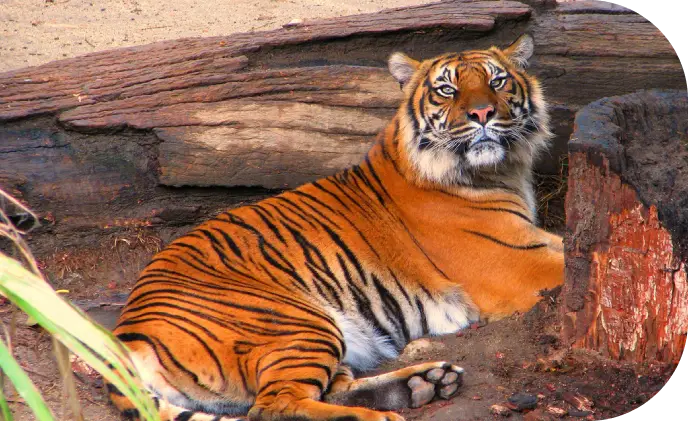
Ranthambore is one of the most popular national parks to spot the Royal Bengal tigers. Other important animals in the park include leopards, sloth bears, spotted deer, sambar deer, wild boars, crocodiles, and over 300 species of birds.
Elephant safaris are not available in Ranthambore National Park.
 +91-9212553107
 What'sApp


 Packages
 +91-9212553107