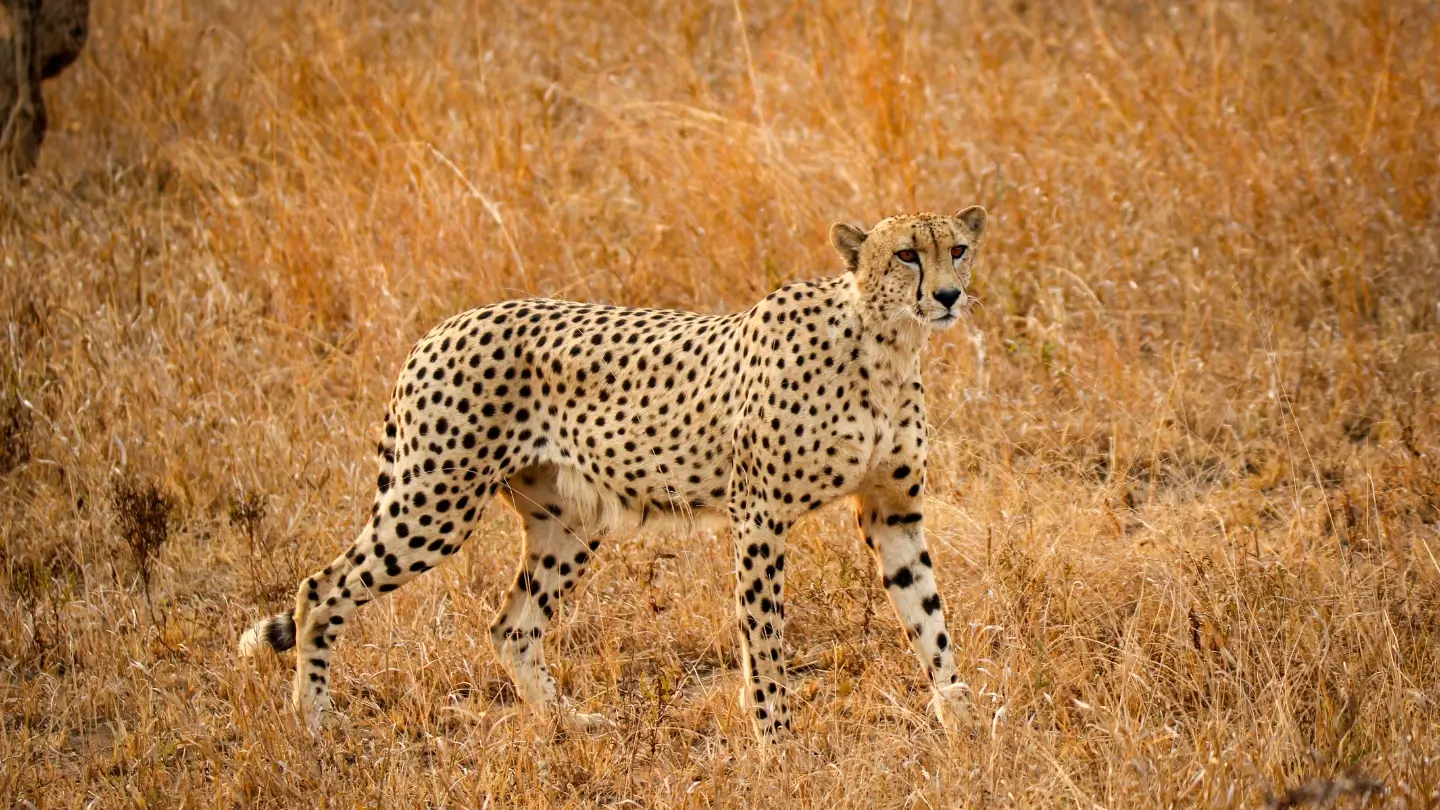
Get ready to explore offbeat wildlife destinations where Project Cheetah has been launched—an ambitious initiative aimed at successfully reintroducing African cats to the wild in India, after years of extinction.
Kuno National Park is nestled in the gorgeous Sheopur and Morena districts of central India, where wildlife’s elegance and the beauty of the environment come together. Kuno National Park is such a beautiful sanctuary and covers an area of around 344 square kilometres. Kuno is a refuge to biodiversity, with an extensive variety of flora and wildlife in addition to its stunning predators. The national park is also famous for its healthy cheetahs in Madhya Pradesh. As travellers enter Kuno’s realm, they walk into a wilderness where cheetahs wander and echoes of Indian leopards thrive. Here, one can dig into the park's rich biodiversity, from its historical origins to its current conservation initiatives, attracting everyone who wants to discover the beauties of nature and wildlife. Kuno National Park should be visited between the months October to March which serve as a popular destination for cheetah safari in India.
Kuno National Park is located in the Sheopur and Morena districts of central India and hence not fully discovered by tourists. Kuno National Park was formerly known as Kuno Palpur Sanctuary. Kuno Wildlife Sanctuary was established in the year 1981 and was selected as a possible destination for introducing Asiatic Lion Reproduction Project while also aiming to become the second lion population in India. Also, in 2009, Kuno Wildlife Sanctuary was proposed as a possible site for reintroducing cheetahs although the action plan was launched in September 2022 by releasing eight cheetahs. This action has led to a huge increase in cheetah safari in Madhya Pradesh. The park and its surroundings were also a part of the princely state of Gwalior in 1902. During 1564, Emperor Akbar is believed to have captured a herd of elephants. Moreover, this place is incomplete without mentioning the lions, as in 1904, Lord Curzon was invited by state King Madhav Rao Scindia and both of them together tried hard to transport Gir Lions from Kuno yet failed because of disagreement of Nawab of Junagarh. However, Lord Curzon gifted ten lions to the King and these lions were released in Shivpuri.
Kuno Wildlife Sanctuary of Madhya Pradesh is a fascinating refuge where wildlife comes to life in all of its splendour. The vibrant ecosystem of this park is extremely stunning because of its rich natural beauty. Every moment here brings the possibility of a unique encounter, and each step increases understanding of the complex network of life that exists within Kuno’s overall region. The MP Wildlife Tourism depends widely on the flora and fauna of this national park especially from 2022.
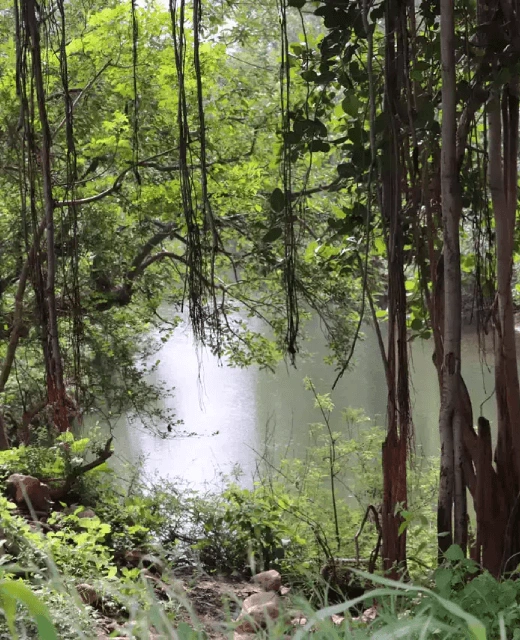
The flora of Kuno National Park is hugely covered by dry deciduous forests and supports a wide range of floral species which include around 123 types of trees, 71 types of shrubs and 32 types of exotic plants. In forestry terms, the forest of this park is classified into two broad categories which are Southern Tropical Dry Deciduous Forest and Northern Tropical Dry Deciduous Forest. The vegetation of the region is highly dominated by trees such as Sal, Kardhai, Salai, Palash, Dhok and Tendu which become so lush even before monsoon rains arrive in the park. Dry Savannah forest and grasslands comprise the tall trees of this region including other plant species which include Kachnar, Kadam, and Khair. The National Park’s flora and fauna are also supported by different water bodies which include the River Kuno, after which the park is named.
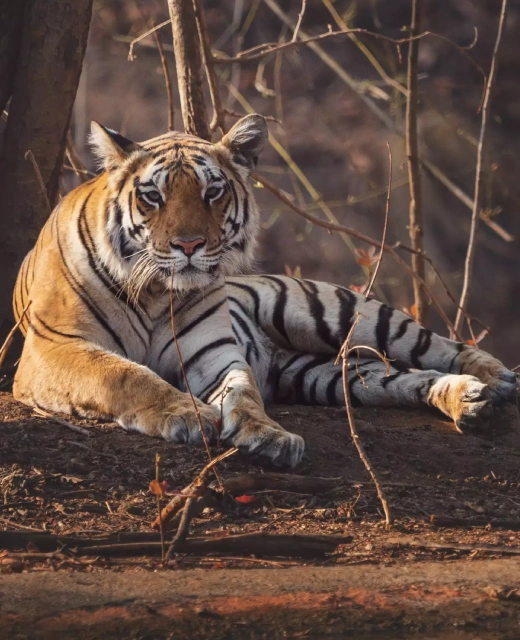
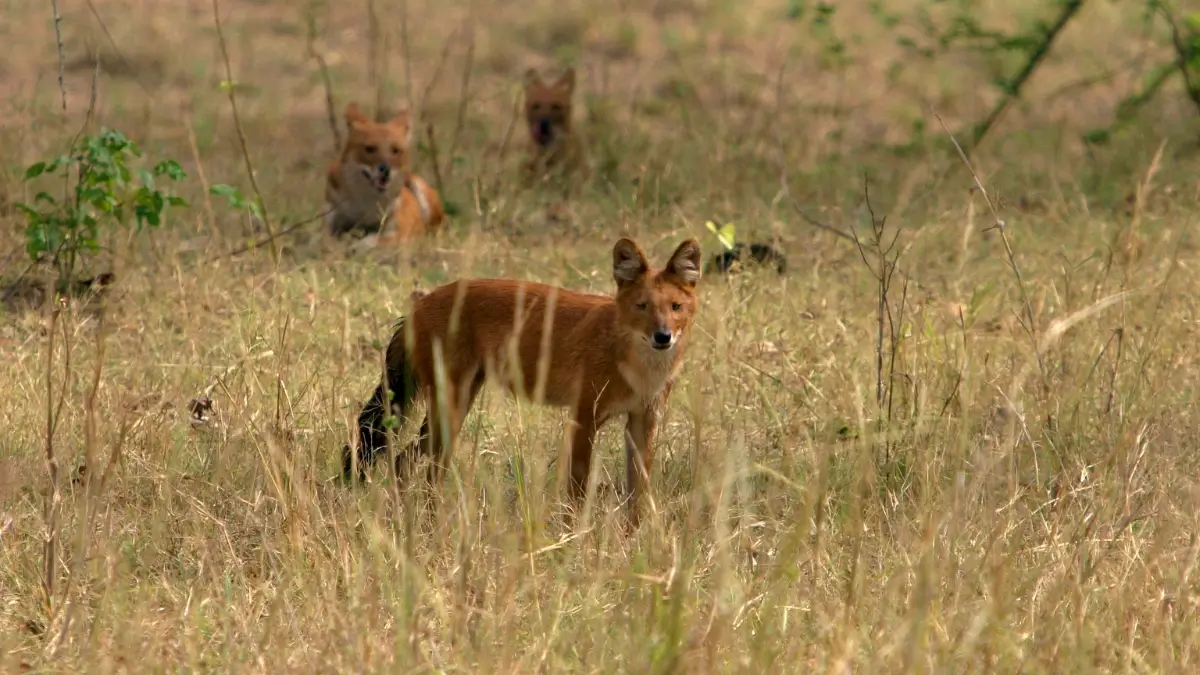
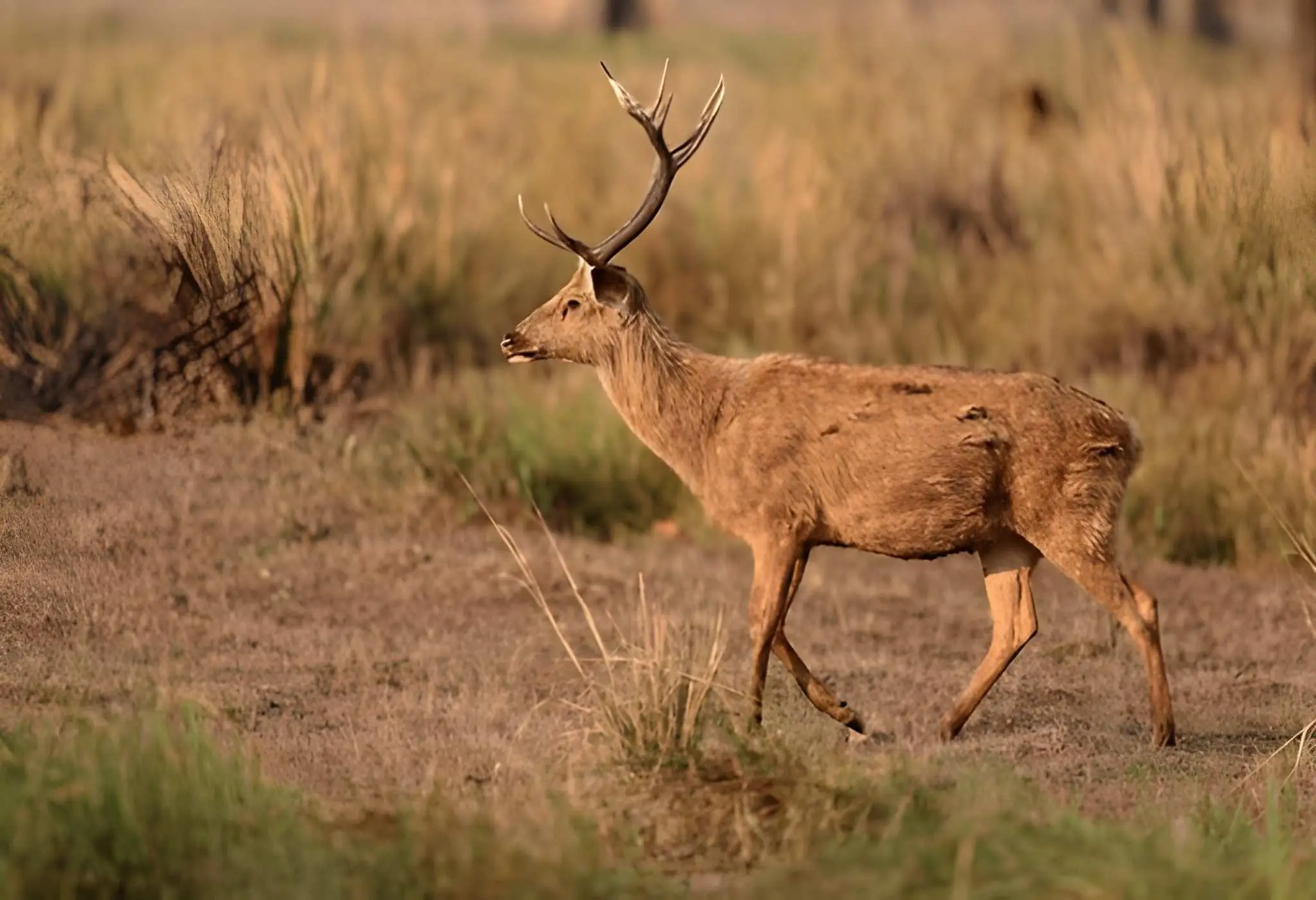
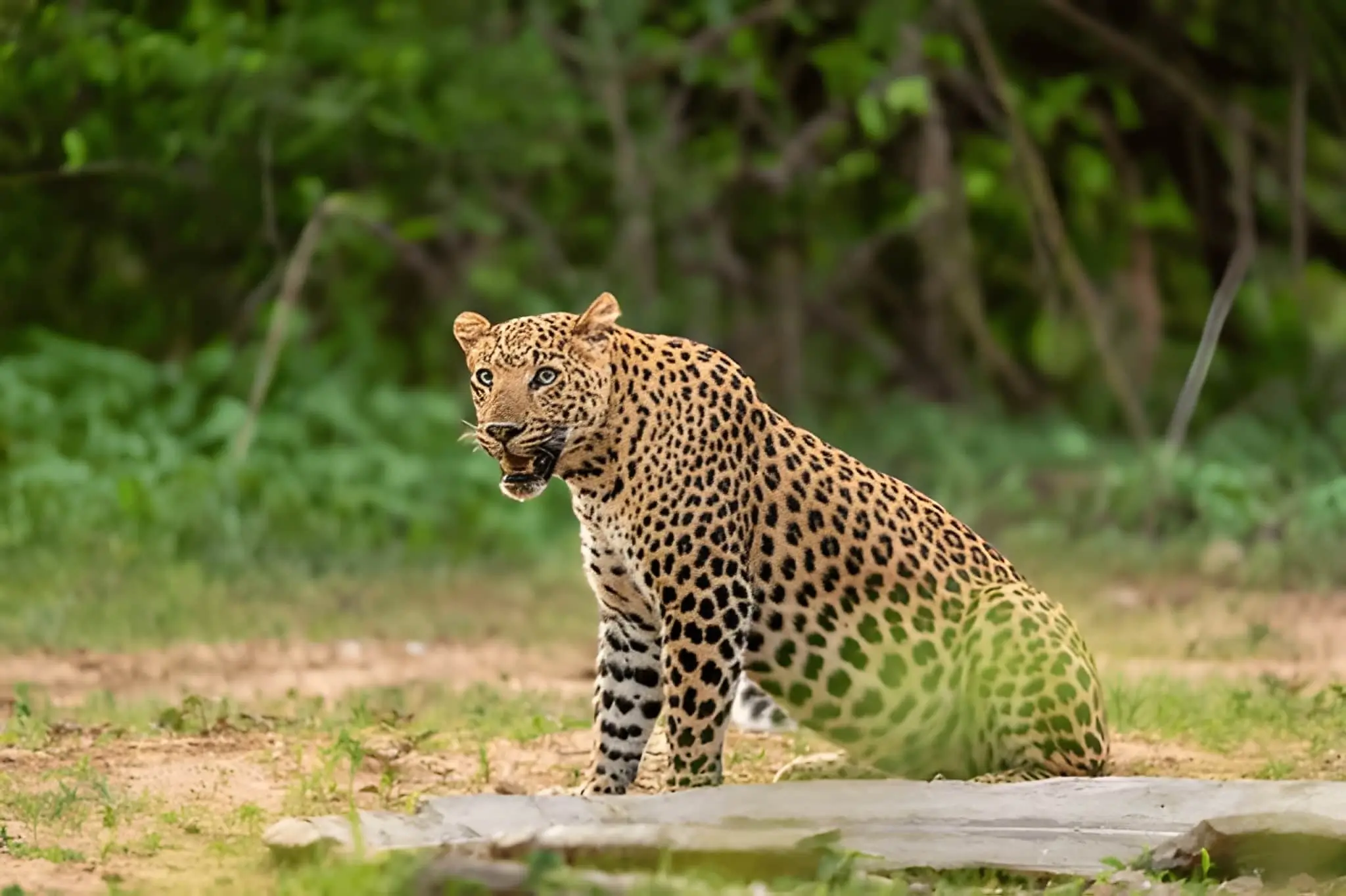
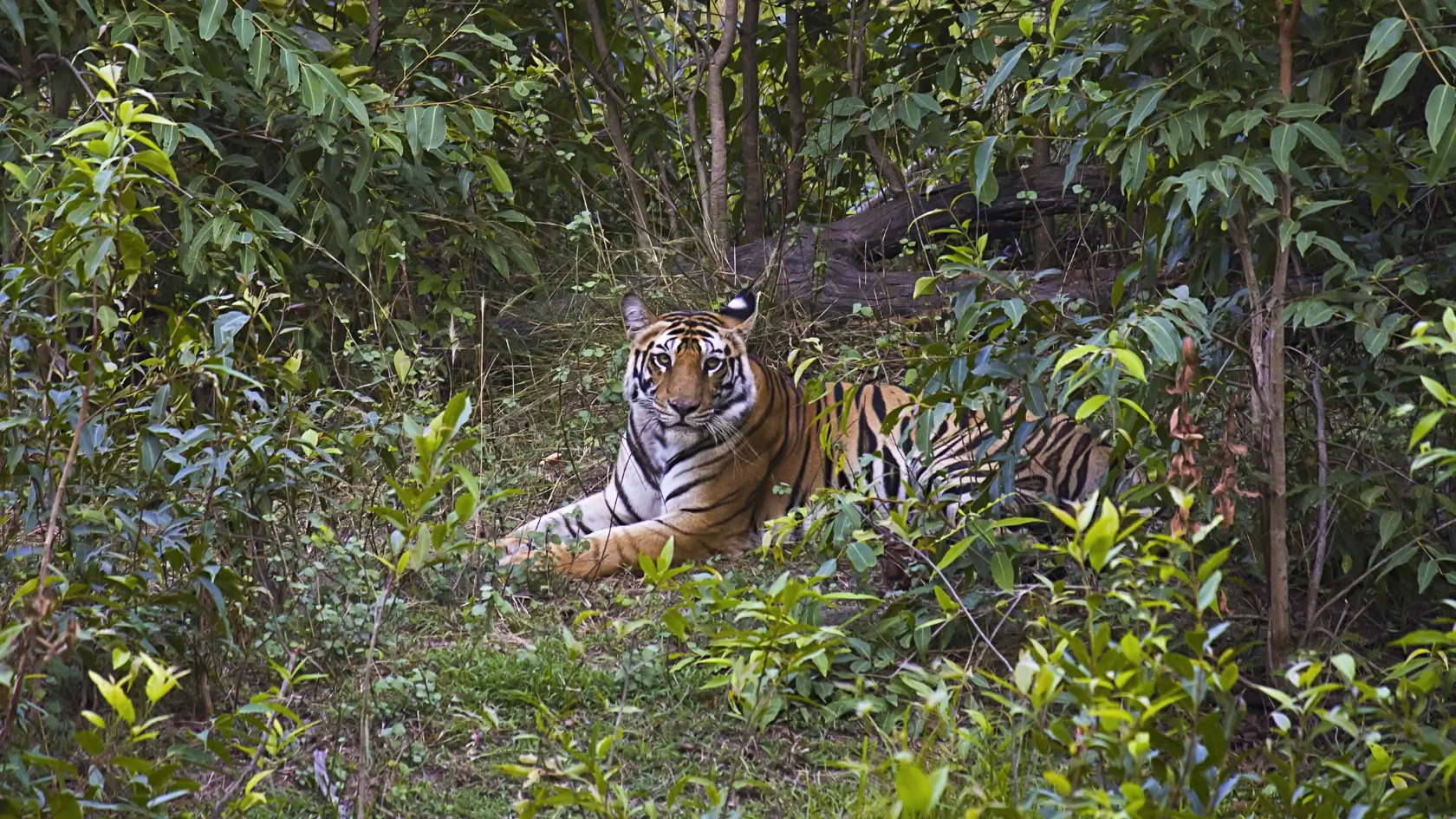
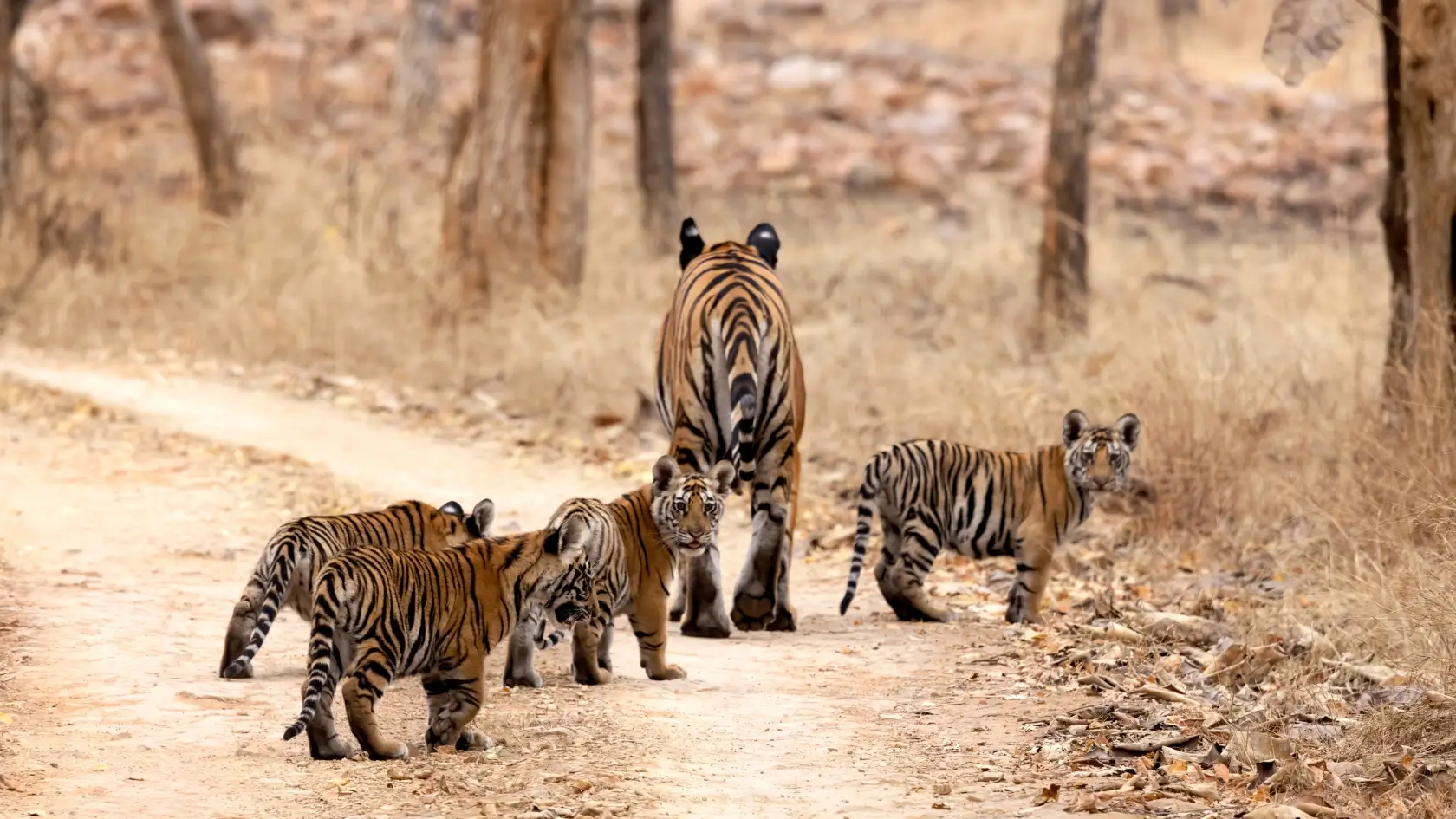
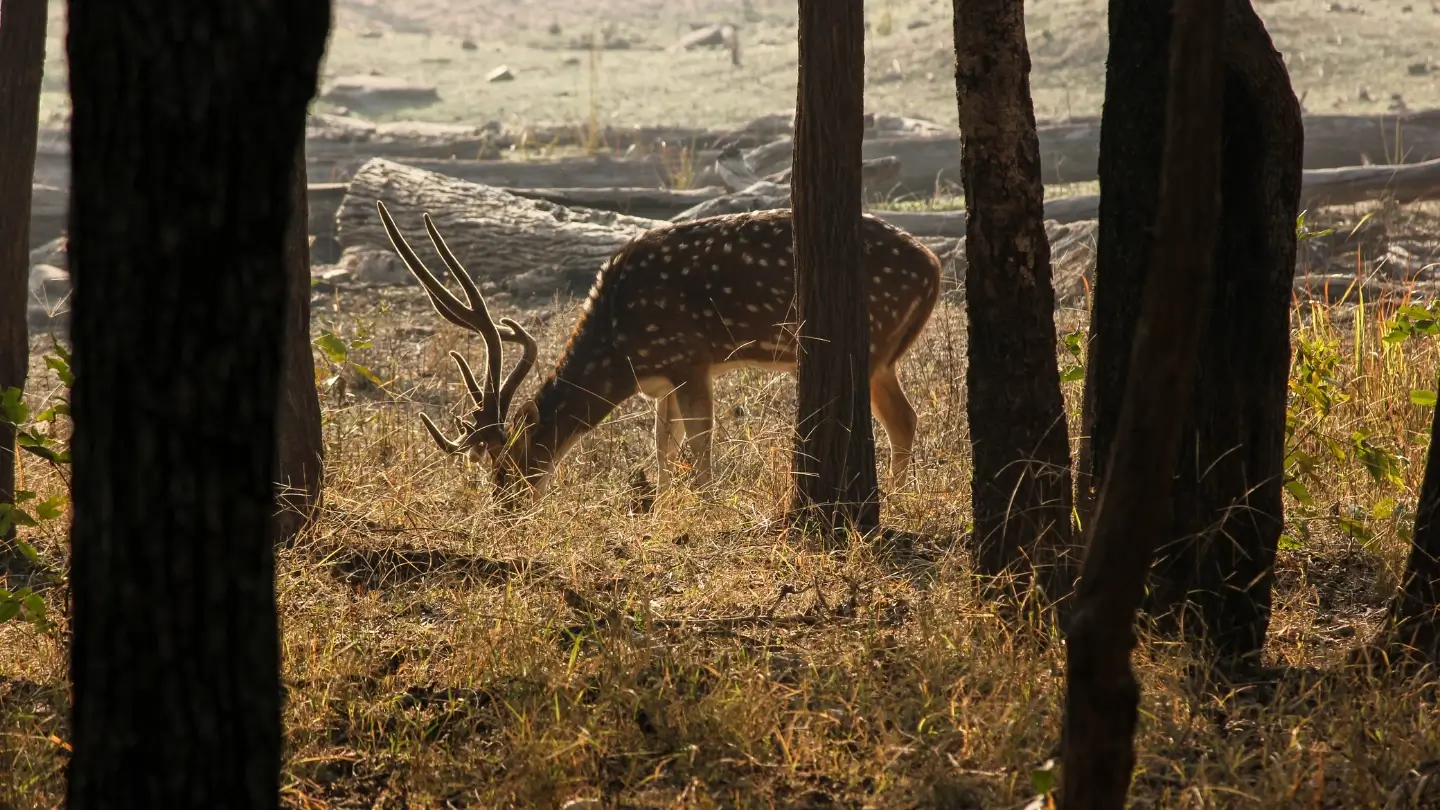
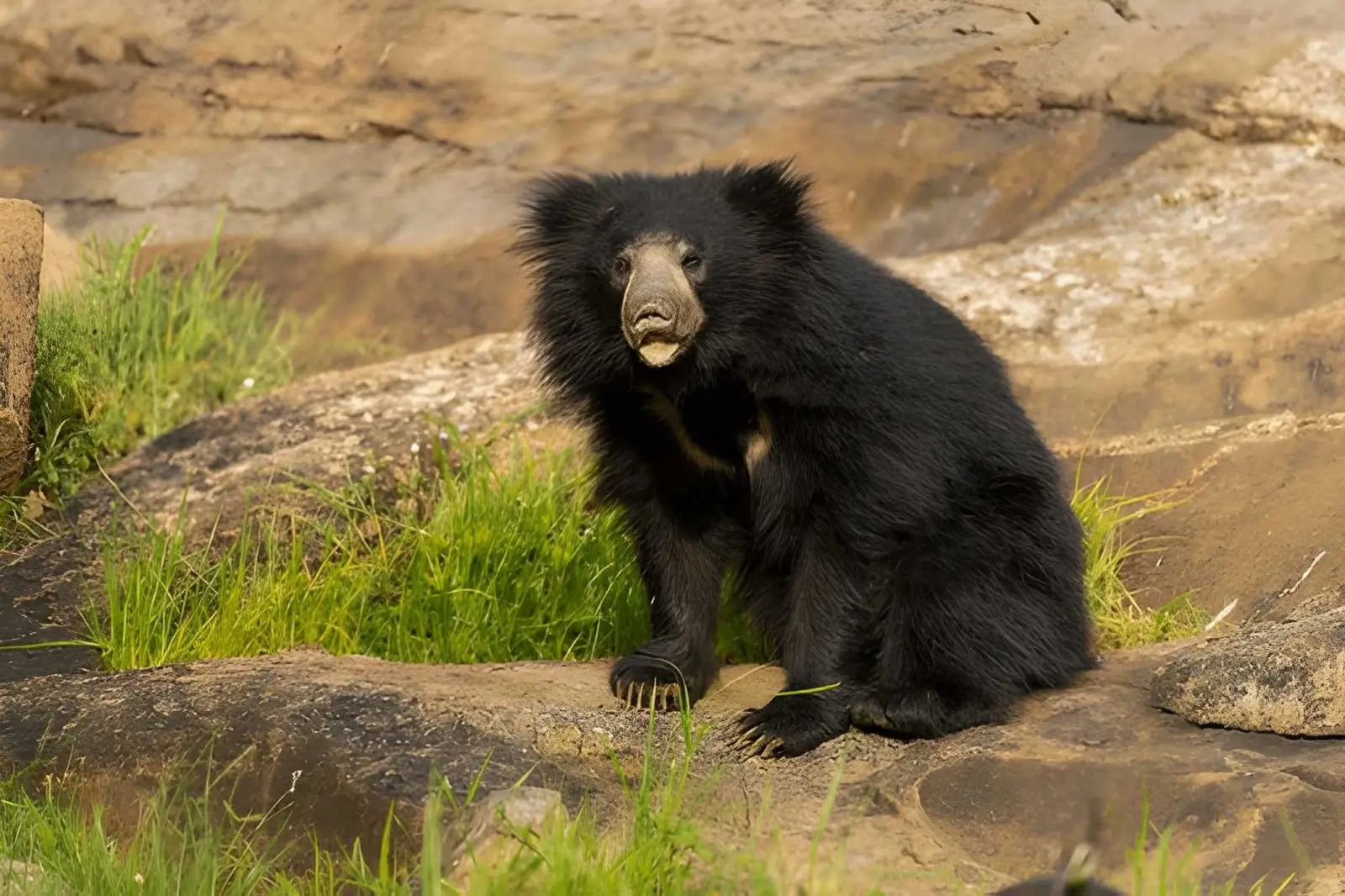
The Kuno National Park is primarily recognised as the home of the Asiatic Lions, Indian leopards, and Southeast African Cheetahs including several other species such as Jungle cat, sloth bear, dhole, Indian wolf, jackal, striped hyena and Bengal fox. The park is enriched with almost 30 species of mammals, 14 species of fishes and several reptiles and amphibians too. Some other animals include chital, sambhar, nilgai, chousingha, black buck, Indian mongoose, langur, spotted deer and wild boar which is boasting the Kuno National Park Tourism. The reptiles that are present here include crocodiles, gharial, Bengal monitor and Indian turtles. Being a tourist hotspot that is highly explored after the inclusion of cheetahs in 2022 and has become a famous cheetah sanctuary in India. The park is also famous for its Lions from Gir although they became endangered. The lions are genetically suited to the habitat here, so it is believed that the re-introduction model will be a success.
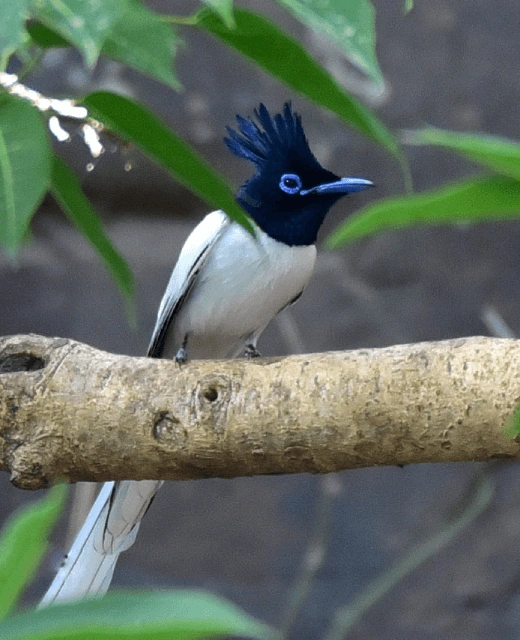
Birdwatching at Kuno National Park is widely recognised by birdwatchers as it is home to long-billed vultures, Indian white-backed vulture, red-headed vultures and several other varieties of vultures. In 2007, a total of 129 bird species were sighted during the spring season.
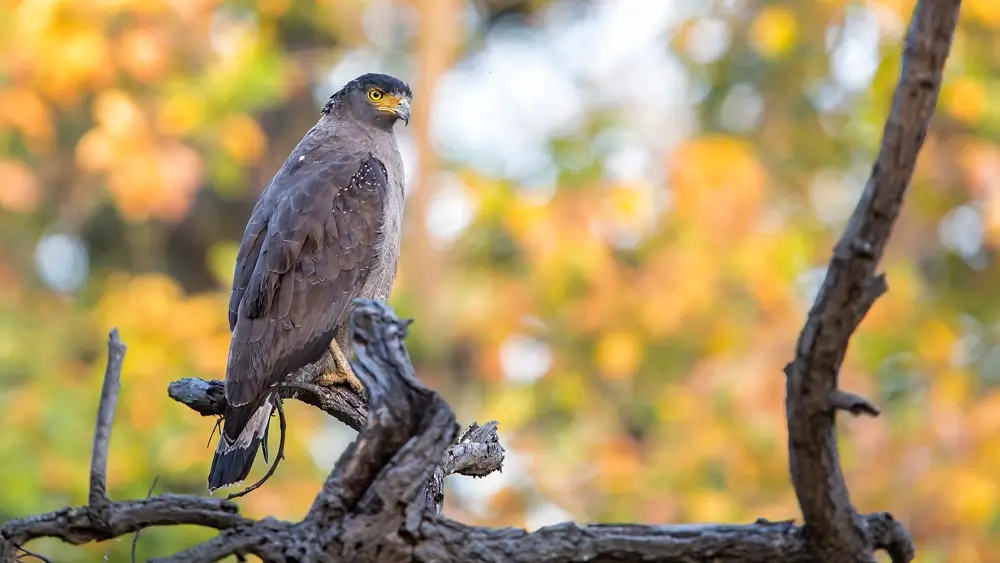
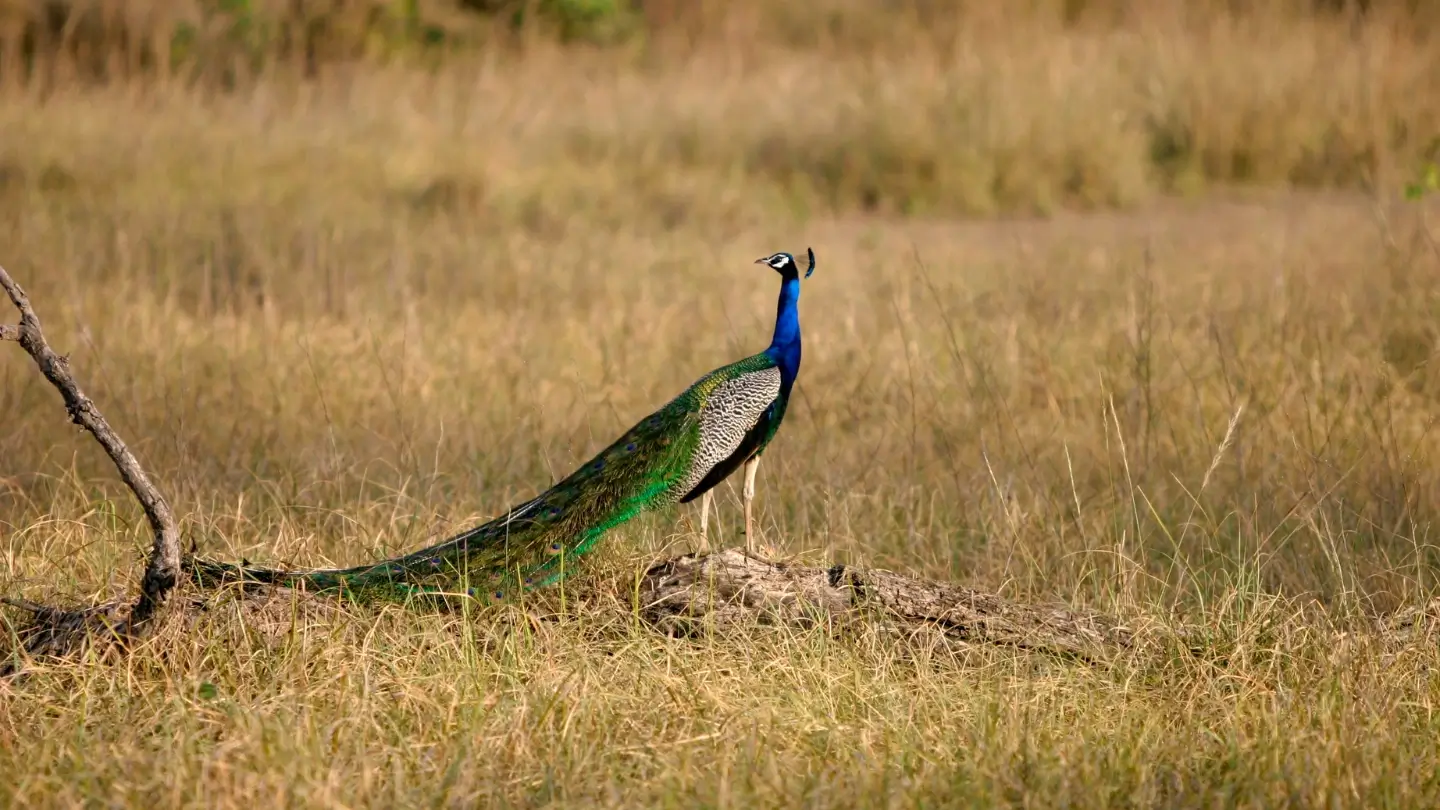
Other resident birds that are found include the crested serpent eagle, Bonelli’s eagle, white-eyed buzzard, changeable hawk-eagle, brown fish owl and spotted owlet. Winter migratory birds are the western marsh harrier, steppe eagle, pied harrier, osprey, common kestrel, Demoiselle crane and some other fascinating bird species. Some other avifauna species are Indian peafowl, grey francolin, jungle nightjar, woolly-necked stork, Sirkeer malkoha, Indian paradise flycatcher and many others.
Kuno National Park allows animal lovers, nature enthusiasts and birdwatchers to fully appreciate the unspoiled beauty of the nearby attractions. The attractions and landmarks nearby offer incredible views and experiences that stay in the hearts of visitors for a lifetime ahead
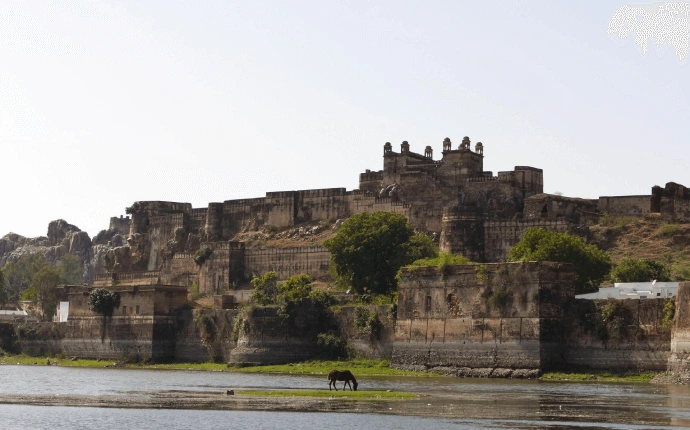
Palpur Fort or Garhi is a magnificent mediaeval fort located in Kuno National Park, near the banks of Kuno River. The fort was built around the 14th century and the walls of the fort hold years of secrets and stories. The fort is a perfect example of ancient Indian architecture and once served the throne to Chandravanshi Raja Bal Bahadur Singh in 1666. One of the best things to experience here is watching the beautiful sunset.
Amet Fort is also part of Raja Bal Bahadur Singh’s Kingdom who served as a King during the Chandravanshi dynasty. Currently, the fort is almost covered and surrounded by shrubs. Amet Fort is now populated by monkeys and also requires special permission from officials.
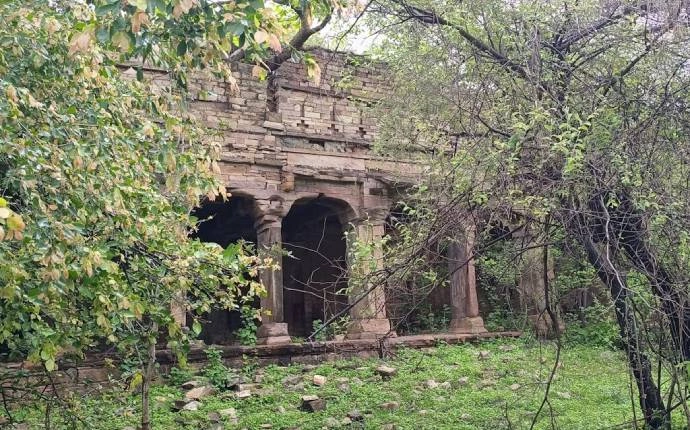
Alikatta near Pench is a pristine area renowned for its diverse flora and fauna. A haven for wildlife enthusiasts, it provides an immersive experience in the natural wonders of the region.
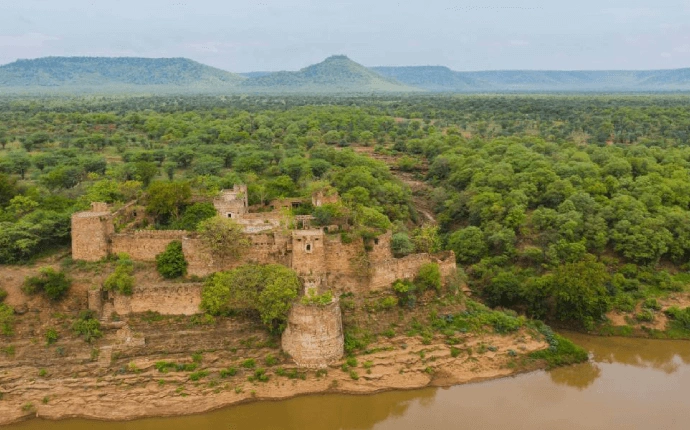
Kair Khoh is a 18 kilometres long pipeline that is established throughout the forest to supply water at different water holes. Kair Khoh is a natural spring which was not productive earlier and now is a major source for providing water with the help of gravitation. During summer, River Kuno gets dried up which lets the wildlife witness water scarcity but now this gravity pipeline replenishes the wildlife throughout the year.
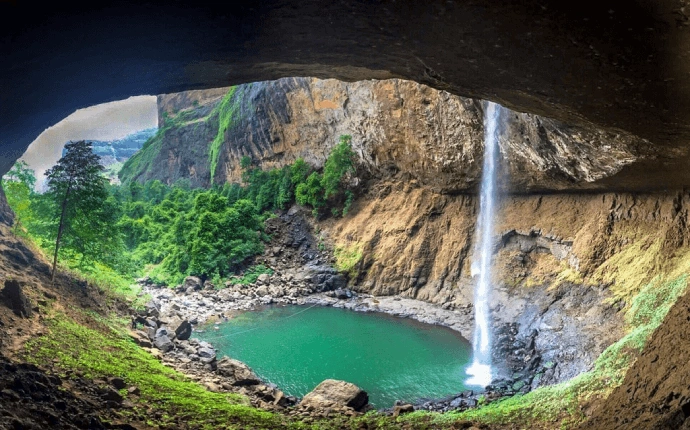
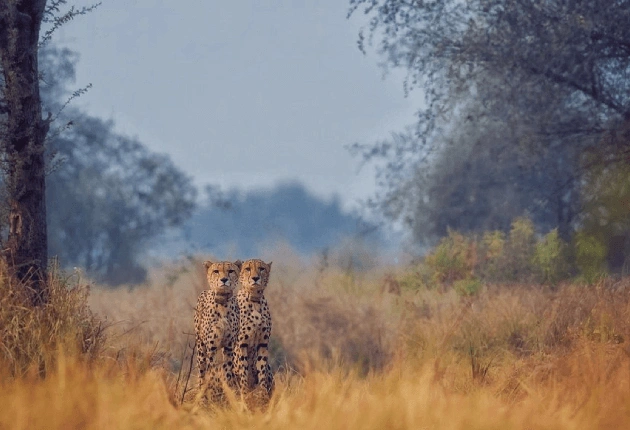
Kuno National Park Wildlife Tour will be an exciting and engaging journey to discover the park's unique species and magnificent landscapes through safari rides by trained and experienced professionals.
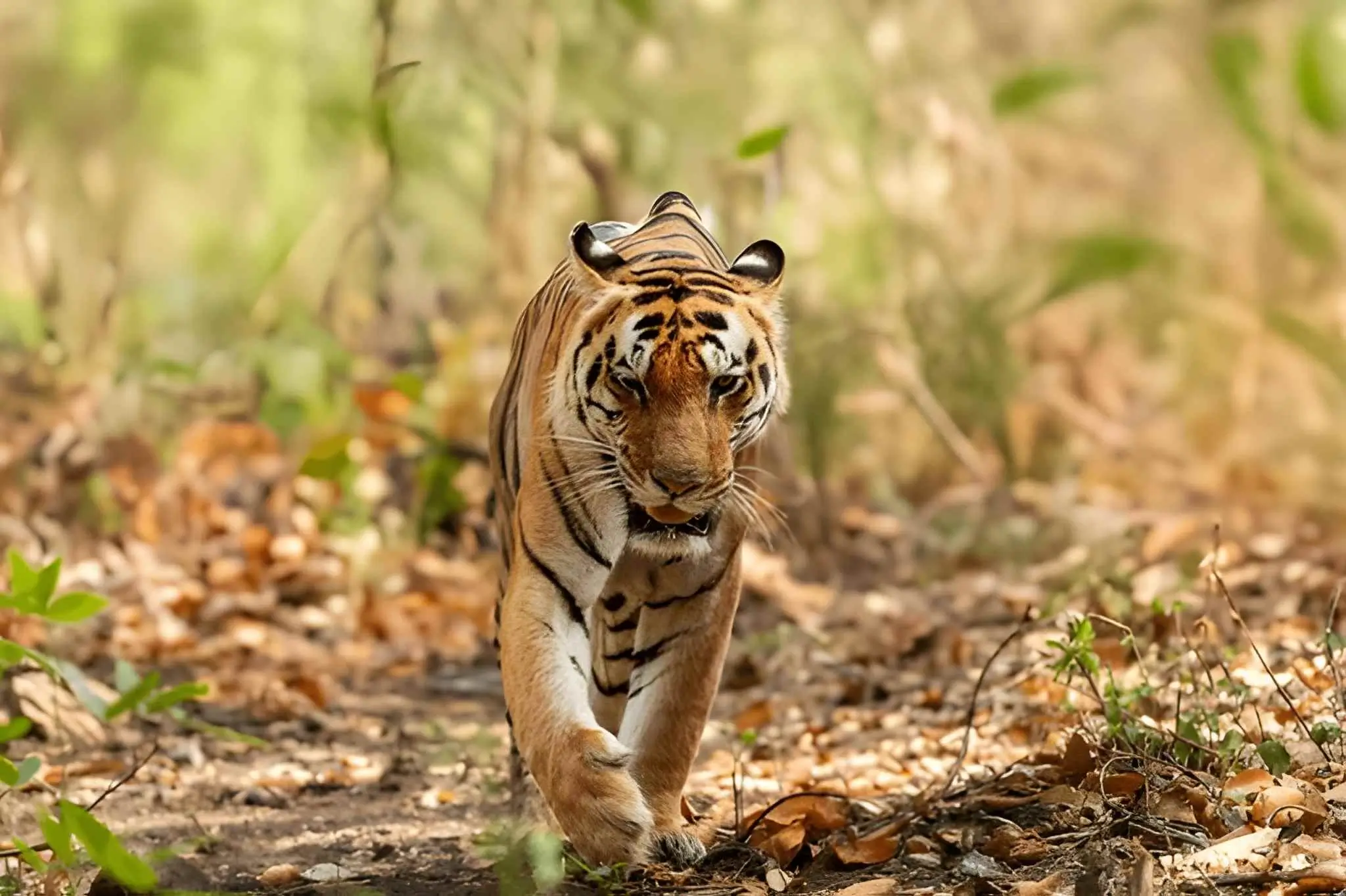
The abundance of biodiversity and magnificent wildlife of Kuno National Park can be explored through thrilling and engaging activities like safari rides. Kuno promises exciting wildlife encounters, now including the opportunity to see cheetahs during safaris. Cheetahs Agni and Vayu are released into the wilderness of Kuno National Park during the inauguration of the Kuno Forest Festival that was held from December 17 to 21. People can now easily discover cheetahs during safaris in the park along with other wildlife.
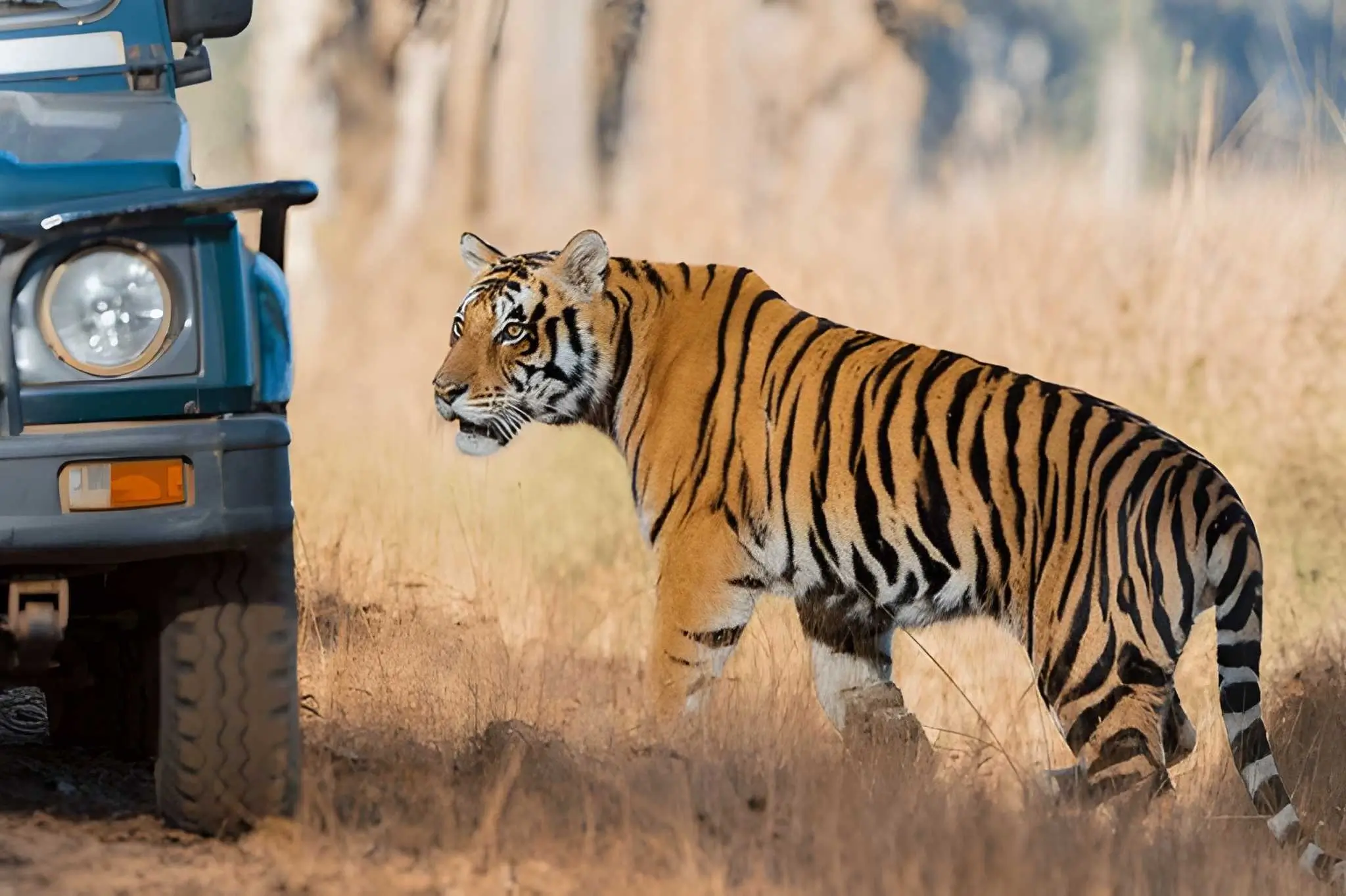
Jeep safaris can be easily booked at the Ahera Gate inside the park since the park isn’t as crowded as other national parks. The safaris can also be booked here by the hotel one wishes to stay. These open-top vehicles provide visitors with a close-up and wonderful view of wildlife. Each safari jeep usually holds a small group of tourists, and a knowledgeable naturalist guide is there to assist in spotting and tracking down animals.
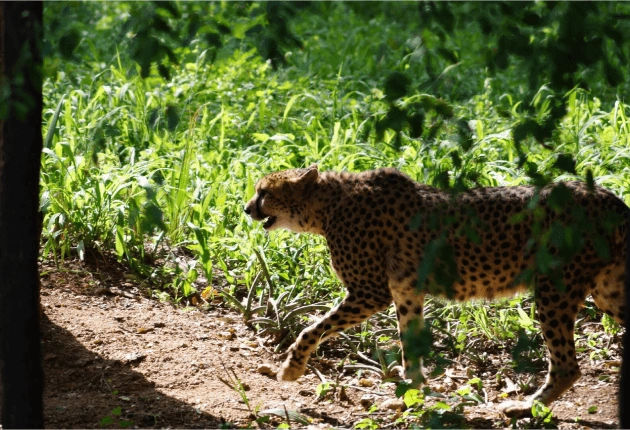
Jeep safaris are offered two times a day, one in the morning and one in the evening. The safari route is adequately short and the frequency of spotting wildlife during a single ride is sufficient. Safaris at two different times give tourists the option to select a time that matches their schedules and helps them maximise their chances of sighting wildlife. Tourists will be picked up from their stays and will be dropped off at their specific lodges again after jeep safaris.
Safari Timings in Oct 1st to December 31st
Safari Timings in January 1st to March 31st
Safari Timings in April 1st to June 30th
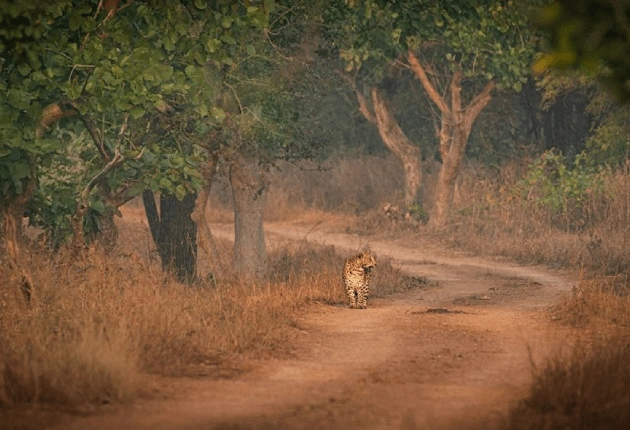
To enjoy the view of Kuno National Park Cheetahs, jeep safaris are the preferred activity for tourists there. There are in total three entry gates to set foot inside the Kuno National Park - Ahera, Peepal Bawadi and Tiktoli. Tiktoli Gate is easily accessible from Sasaipura Village and is the most preferred gate for safaris, but currently shut as the cheetahs are breeding in this area.
The safaris can be enjoyed by entering from the Ahera Gate which is accessible from the Pohri Village side. Another entry gate is Peepal Bawadi Gate which is an easy access from Agra Village. Once all the cheetahs are released into the jungles, the safaris will resume smoothly from all the gates
Most parks in Madhya Pradesh are visited during but it is advised to visit Kuno in the winter, between October to March.
In winter, the weather stays pleasant and comfortable to attend jungle safaris whereas the summer is said to be unbearable. Kuno’s tropical vegetation, geographical features and stunning location is making tourism good here.
The park remains closed in the monsoon from mid-June to early September. Visiting the park mostly relies on personal preferences that may vary because of the local climate, the likelihood of observing animals, and overall experiences.
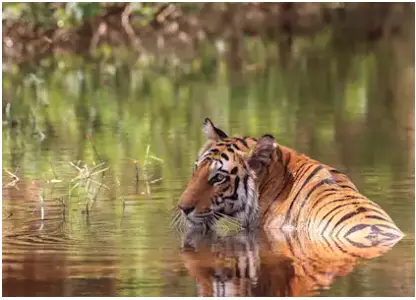
Kuno National Park can be easily reached by flights, trains, cars and buses as the location is well-connected to the major cities of the nation.
To reach Kuno National Park, Gwalior Airport is the nearest airport as it is 30 kilometres from Morena and 210 kilometres from Sheopur. From the airport, tourists can hire a taxi or cab to reach the accommodation near Kuno National Park. Also, tourists can land at the international airports at Indore or Bhopal.
The nearest railway station to reach the park is Shivpuri Railway Station which is around 60 kilometres from the park. Tourists can also get off the train at Morena or Bhind Railway Station. Regular trains run from Shivpuri to other major cities. Some other railway stations are at Gwalior, Sawai Madhopur, Jaipur, Kota, and Jhansi. Take local transport or hire a taxi to reach the specific location.
Bus services are available from Gwalior city, or one can directly reach Sesaipura in the Sheopur district from Shivpuri by hiring a cab. Tiktoli Gate is just 16 kilometres from Sesaipura. Moreover, tourists can take their own cars to reach the park and enjoy the scenic beauty during the drive.

View this Tour

View this Tour
View this Tour
View this Tour
View this Tour
View this Tour
View this Tour
View this Tour
View this Tour
Kuno National Park has gained attention due to the reintroduction of cheetahs from Namibia and conservation efforts related to Asiatic lions.
Kuno National Park is located in the Sheopur and Morena districts of Madhya Pradesh, India.
Accommodation options include forest rest houses, rented homes, forest retreats, and Madhya Pradesh Tourism jungle resorts near the park.
Morning safaris usually run from 6:00 AM to 11:30 AM, while evening safaris start around 3:00 PM and continue until sunset. Timings may vary by season.
Top nearby attractions include:
 +91-9212553107
 What'sApp


 Packages
 +91-9212553107