Explore Bandhavgarh National Park & Tiger Reserve, where nature's masterpiece unfolds in lush jungles, ancient history, and the elusive charm of resident tigers.
Bandhavgarh is nestled in the gorgeous Vindhya Hills in the centre of India, where wildlife's elegance and the beauty of the environment come together. Bandhavgarh National Park is such a beautiful sanctuary and is one of India's top tiger reserves and covers an area of around 1536 square kilometres. Bandhavgarh is a refuge to biodiversity, with an extensive variety of flora and wildlife in addition to its apex predators. The national park is also famous for its healthy tiger population.
As people enter Bandhavgarh's realm and walk into a wilderness where tiger roars and echoes of legendary tales thrive. Here, one can dig into the park's rich biodiversity, from its historical origins to its current conservation initiatives, attracting everyone who wants to discover the beauties of nature and wildlife in a setting immersed in legacy. Among the most well-known national parks, Bandhavgarh should be visited between the 15th of October and the 30th of June as it is a popular destination for tiger excursions.
The Ramayana, an old epic from the Treta Yuga, has ancient significance associated with the Bandhavgarh Tiger Reserve, both of which can be obtained from the ancient works of Narad Panch Ratra and Shiv Purana.
The Bandhavgarh Fort, which is situated inside the park's limits, gave the area its name. The fort is said to have been in place for more than 2,000 years, and the region has a rich historical and mythical importance. In the middle of a pristine jungle environment, the existence of a long-gone fort with the same name has comparable value to draw in numerous archaeologists and historical enthusiasts. The words "Bandhav" and "Garh," which mean "brother" and "fort," respectively, are combined to form the name Bandhavgarh. Therefore, Bandhavgarh means "brother's fort" in Hindi. According to legend, Lord Rama gave his younger brother Lakshmana this fort when he arrived back from Lanka after defeating Ravana en route to Ayodhya. Many reliable examples of human activity and construction methods can be found in the Bandhavgarh fort's crafting.
India's Bandhavgarh National Park is a refuge where wildlife comes to life in all of its splendour. The park's various and vibrant ecosystems are fascinatingly introduced through its wildlife-rich settings. Every moment in this wildlife sanctuary brings the possibility of a unique encounter, and each step increases understanding of the intricate network of life that exists within Bandhavgarh's confines.
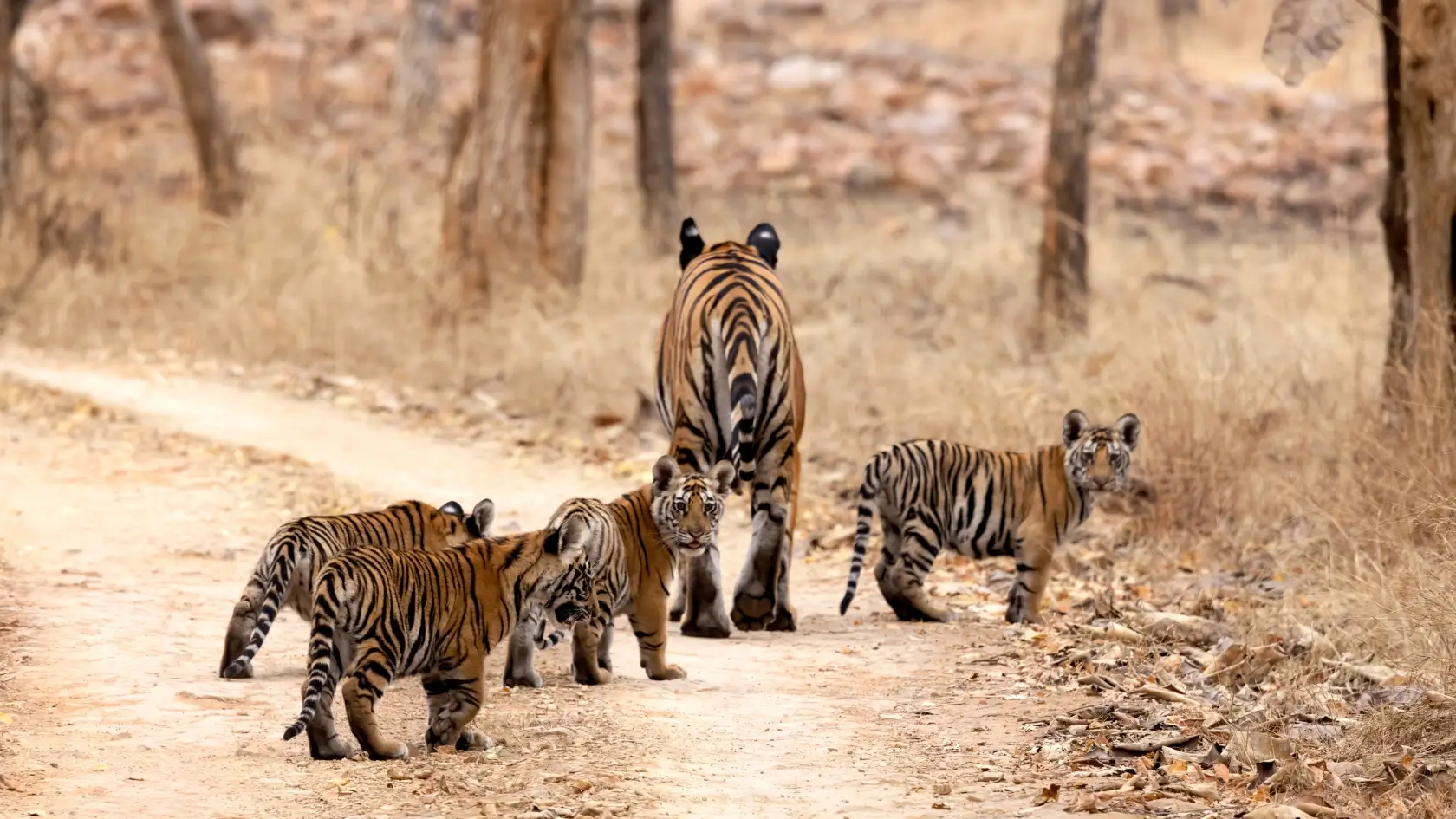
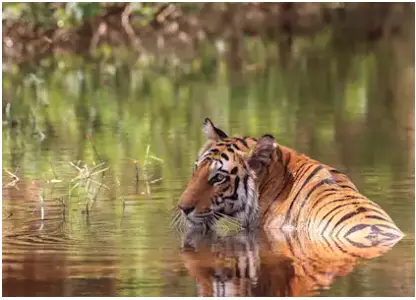
The Bandhavgarh National Park is primarily recognised as the home of the white tiger, although a wide range of tiger species may also be found there and have been for many years in the former state of Rewa. The final one, a white tiger named Mohun, is currently on display in the palace of the Maharaja of Rewa. It was captured by Maharaja Martand Singh in 1951.
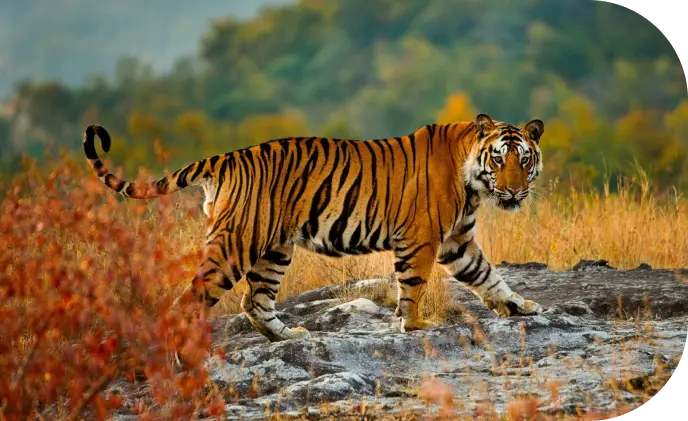
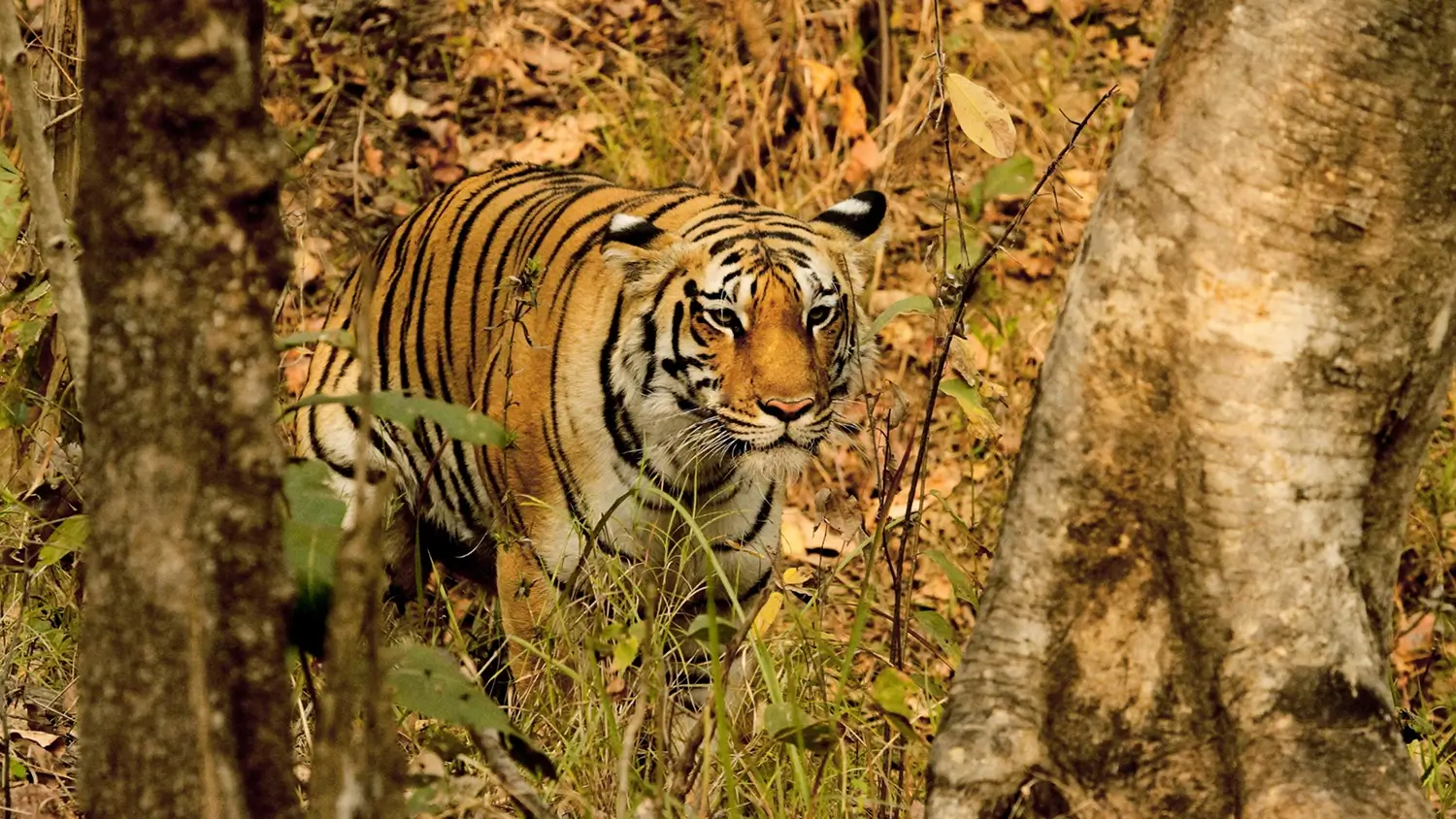
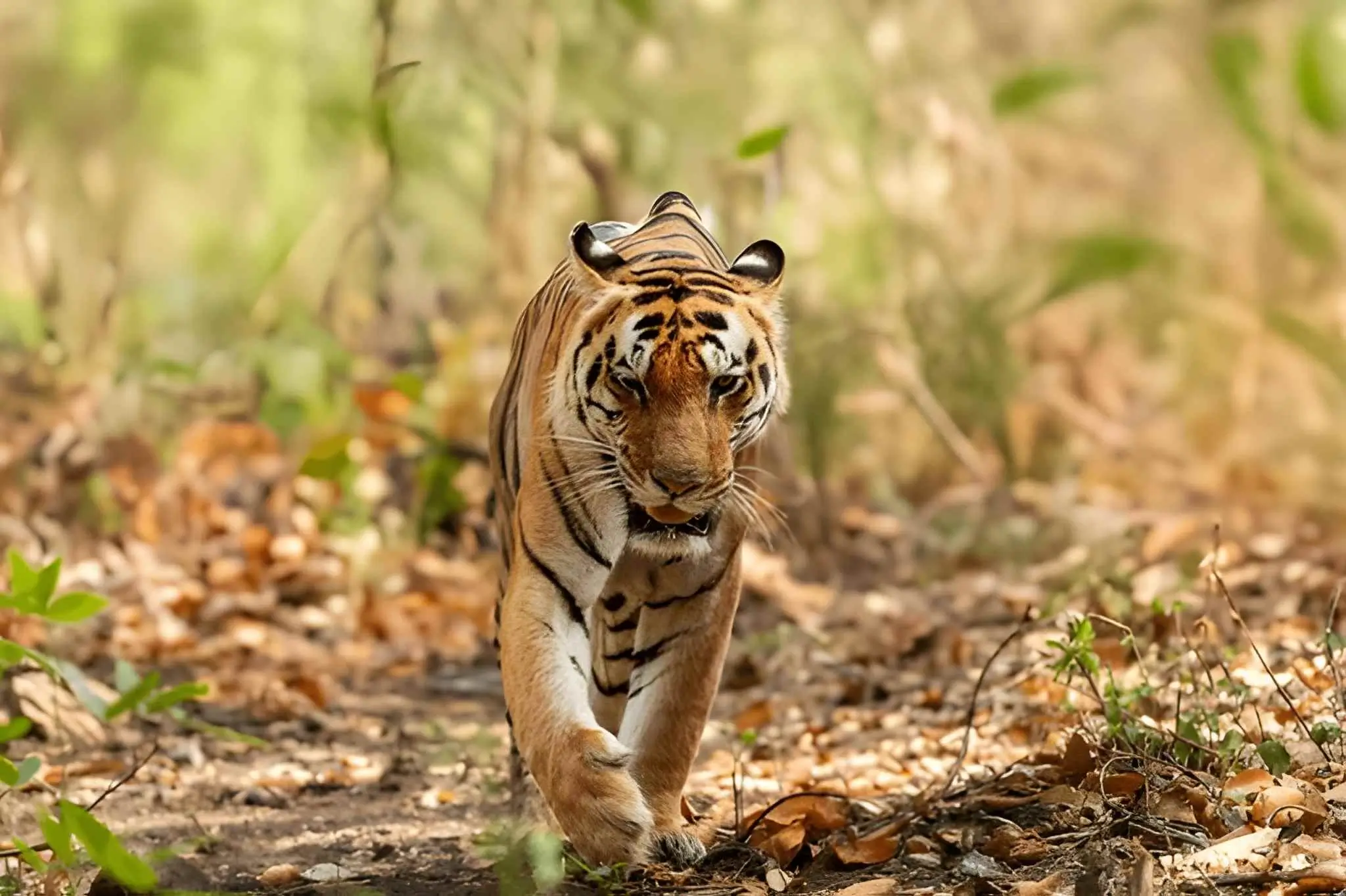
India's Bandhavgarh National Park is also home to a large number of tiger species living there. Here in this park, Bengal Tiger populations are among the highest in the world. Wildlife enthusiasts are drawn to Madhya Pradesh's Bandhavgarh National Park by its diverse range of flora and fauna. Bandhavgarh is home to a wide variety of species, including Chinkaras that graze on the grasslands, Nilgais, and Bison. Tala, Panpatta, Khitauli, and Magdhi are the park's four main zones.
It's interesting to note that the region is home to more than 22 species of animals and 250 kinds of birds, with common langurs and rhesus macaques serving as representatives of the primate family.
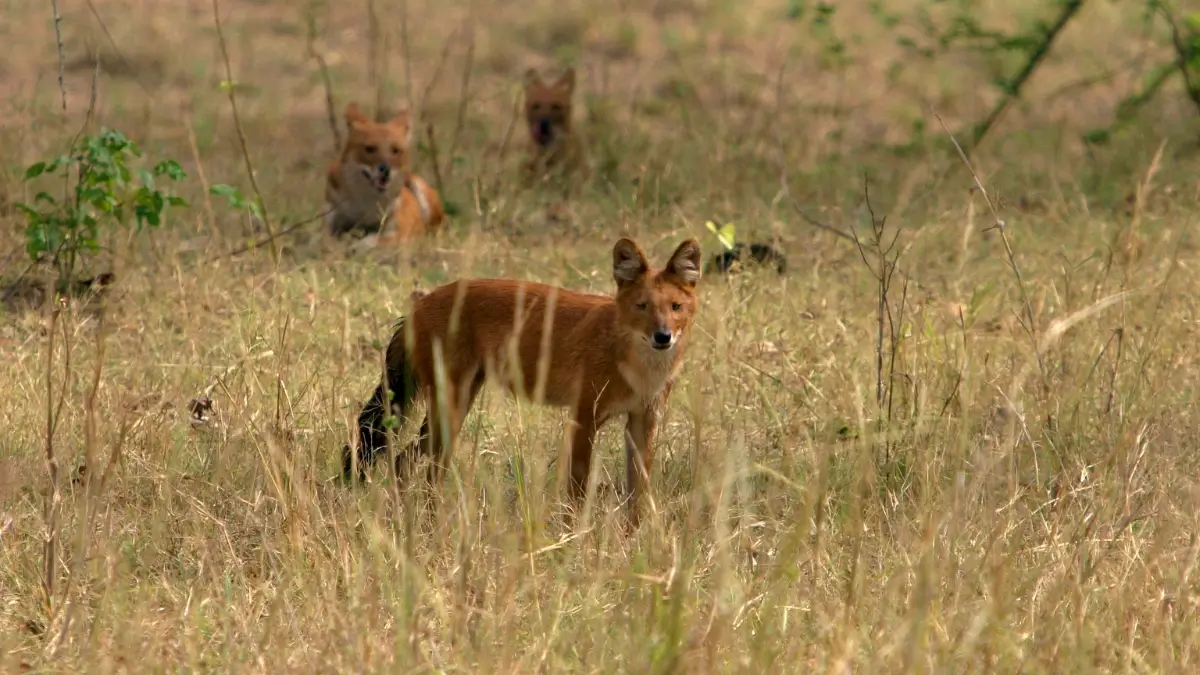
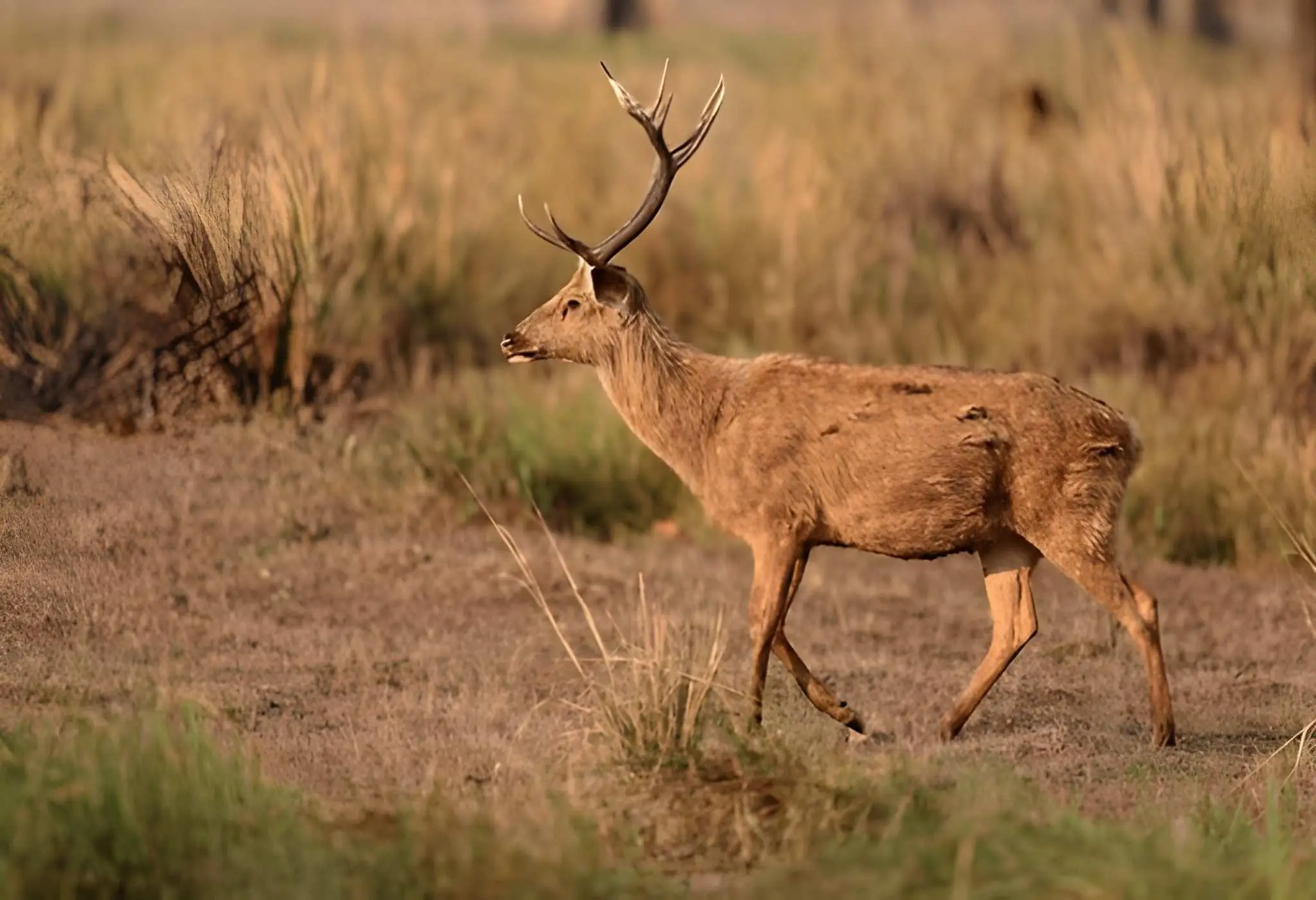
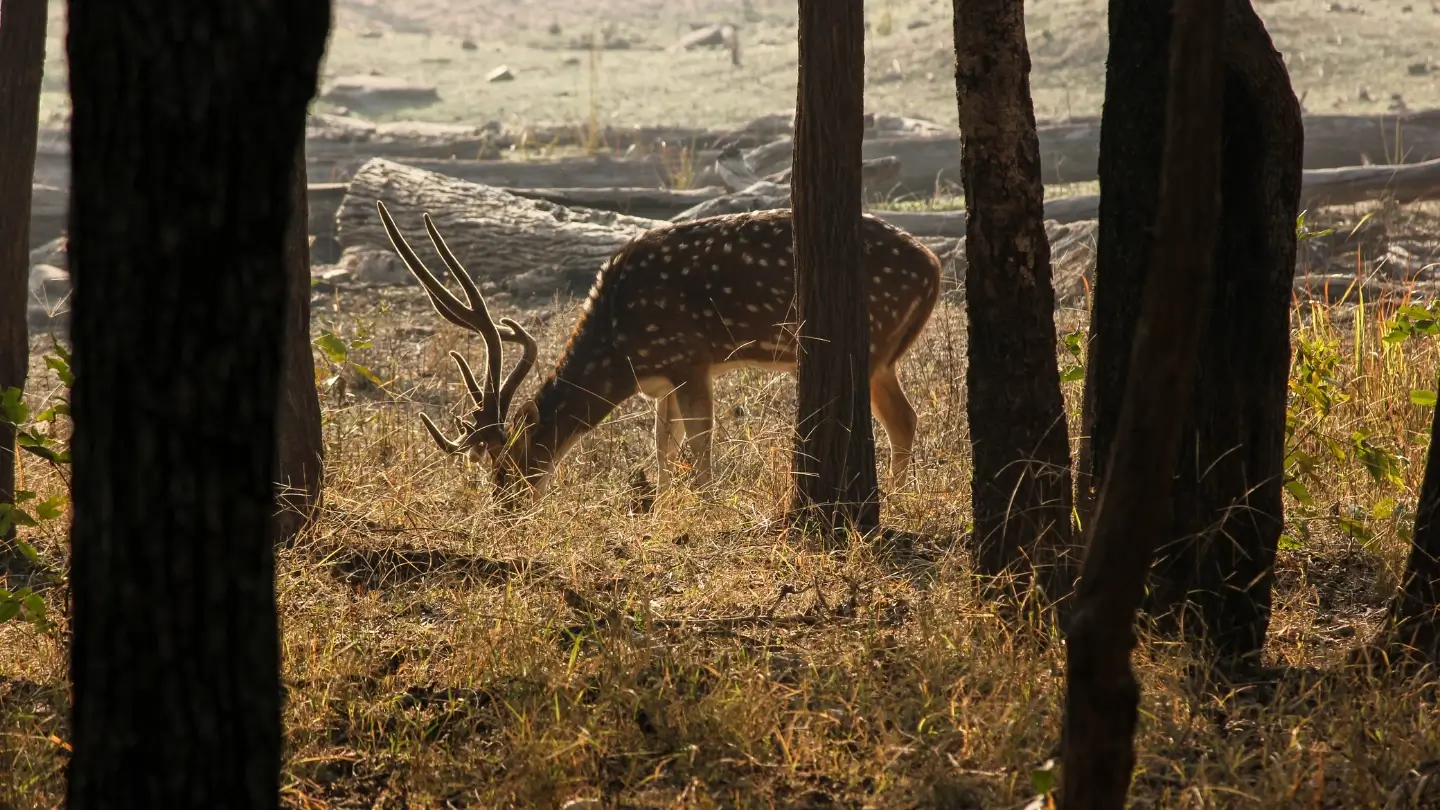
Visitors could see species like Nilgai, Chausingha, Chital, Chinkara, Langurs, Monkeys, Muntjac, Wild Boar, and Jackals while on a safari or boat excursion through the deep forests. Due to its diverse topography and wide variety of animal and plant life, nature enthusiasts adore exploring Bandhavgarh's densely forest-covered regions. The Bandhavgarh Wildlife has a wide range of birds and butterflies in addition to mammals.
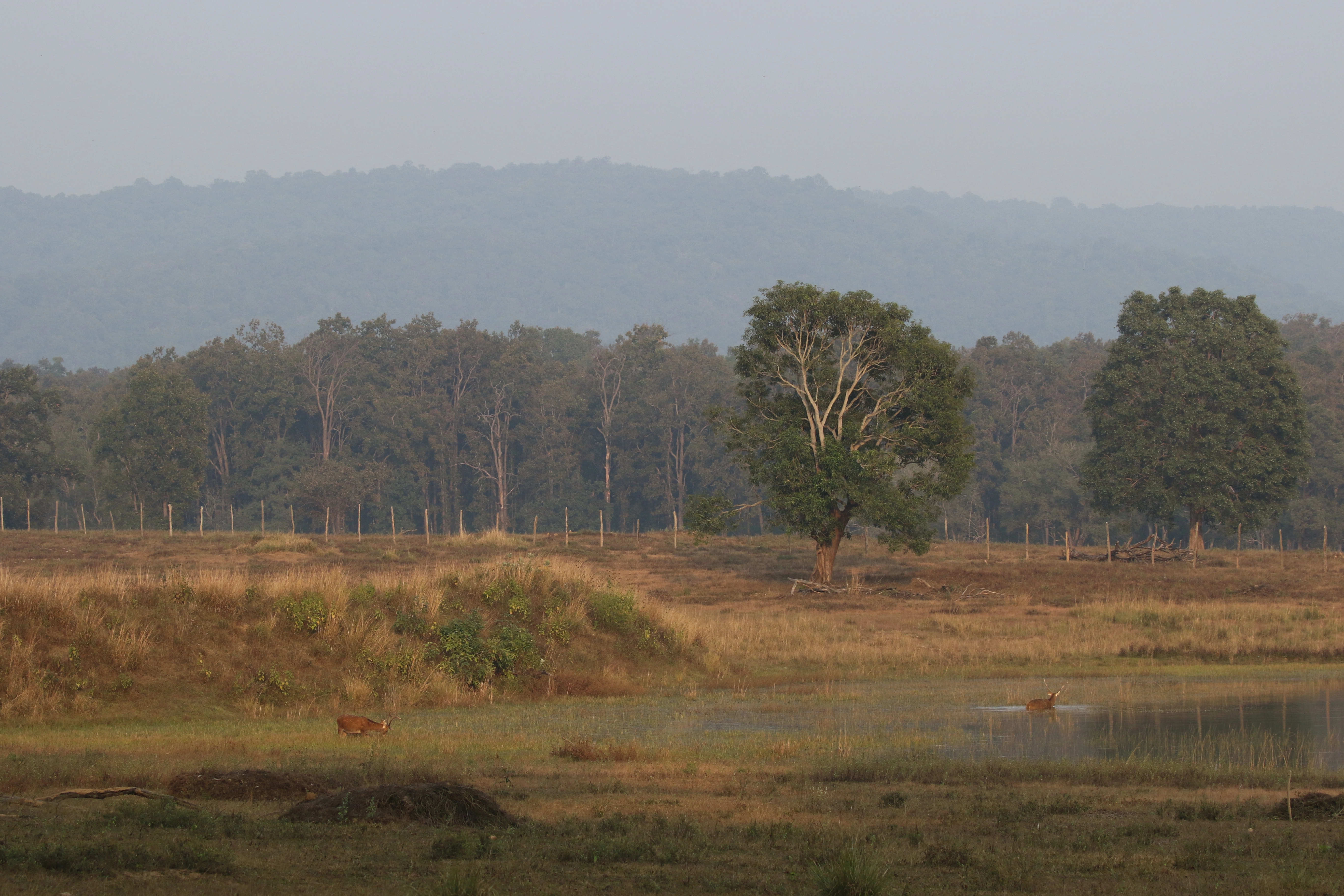
The flora of Bandhavgarh Park is diverse and includes slopes that are densely forested and grassy meadows. The Sal (Shorea robusta) and Bamboo (Dendrocalamus strictus) that dominate the forest in Bandhavgarh National Park make various combinations with one another. Over half of the land is covered by sal trees, which also cover low, undulating, and plain tracts. On the upper slopes, sal trees are replaced by a mixture of flora, including Saja, Dhobin, and Sal, which adds to the diversity of Bandhavgarh National Park's flora.
Technically known as Sal forest, other common plant life in Bandhavgarh National Park includes trees like Saja (Terminalia tomentosa), Dhauda (Anogeissus latifolia), Tendu (Diospyros melanoxylon), Arjun (Terminalia arjuna), Palas (Butea monosperma), Salai (Boswellia serrata), Bhirra (Chloroxylon sweitenia), Gamar (Gmelina arborea), Dhaman (Grewia tiliifolia), Kalasiris (Albizia lebbeck), Khair (Acacia catechu), Frankincense tree (Boswellia serrata), Kusum (Schleichera trijuga) and Haldu (Adina cardifolia).
Ambla (Emblica officinalis), jamun (Syzigium cuminii), and ficus species are examples of fruiting trees that are popular among birds and other herbivorous species in Bandhavgarh National Park.
Palash, the Flame of the Forest (Butea monosperma), the climber (Butea superba), Kapok (Bombay ceiba), and Amaltas (Cassia fistula) are some of the blooming trees.
Mahua (Madhuca Indica) is widely available, and the local people utilise the blooms to prepare a strong homebrew. Village fields are now eliminated, replaced by grasslands. These days, deer and other types of herbivorous Indian wildlife graze there.
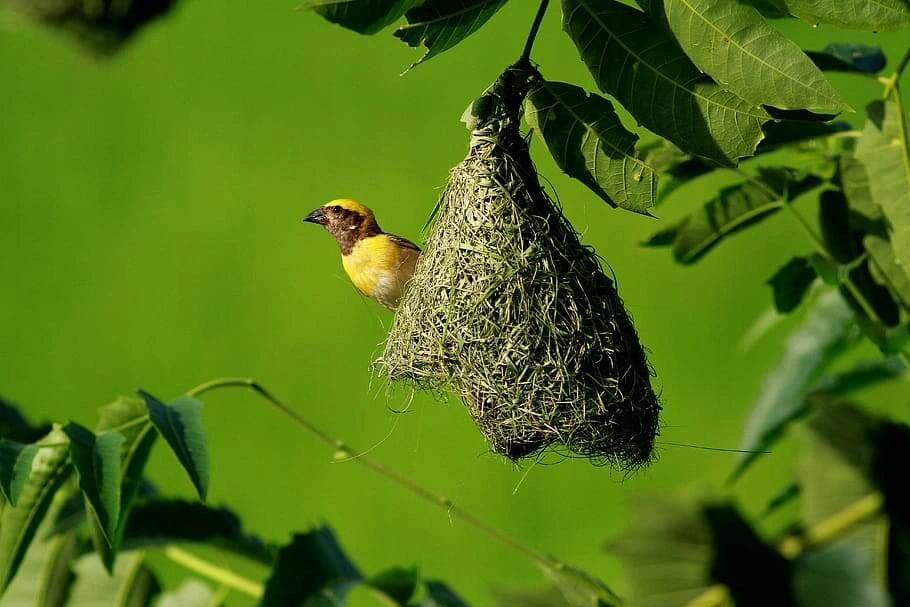
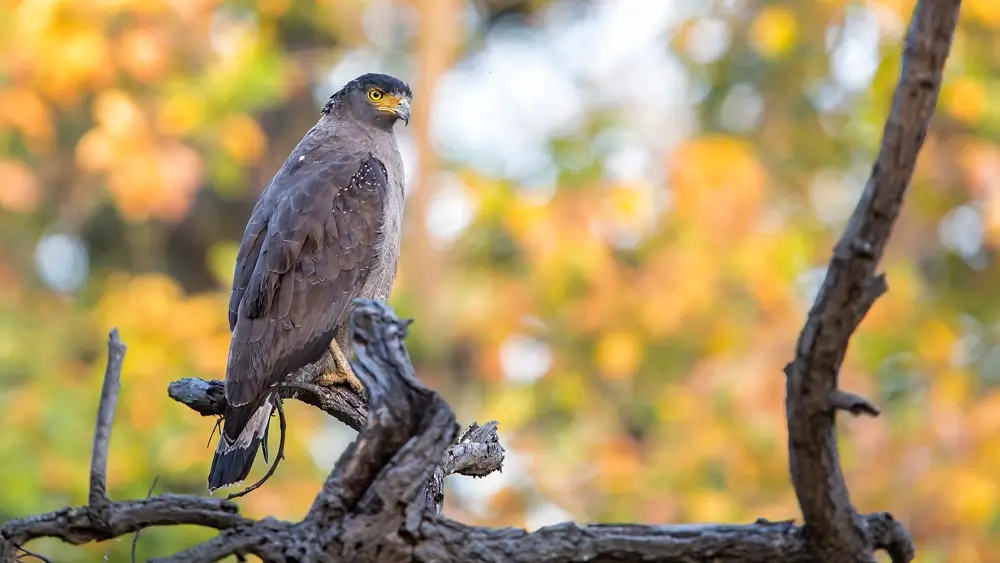
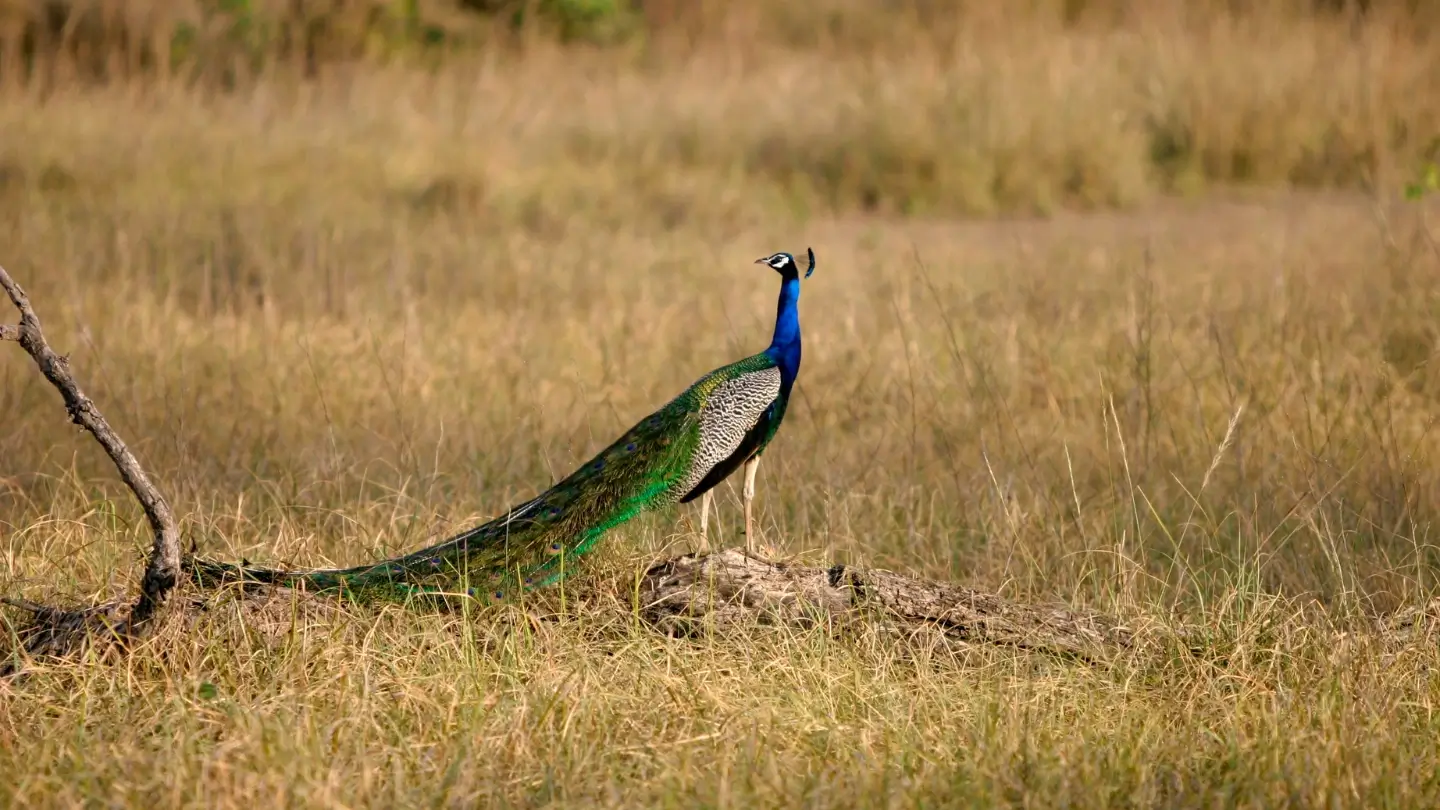
Bandhavgarh National Park has thousands of different bird species, giving visitors a chance to enjoy bird watching in the Vindhya Hills in the middle of India. The park is not just for tiger excursions. The Vindhya mountains have a diverse avifauna, which adds to the attraction of the area. At Bandhavgarh, the combination of rich tropical woods, pastures, scrub, and marsh provides the most alluring reasons for the birds to choose this area as their preferred habitat.
Additionally, the abundant riparian vegetation along streams and marshes provides a natural home for over 150 species of birds in the key region of Bandhavgarh Reserve. In addition to learning about the various kinds of birds in Bandhavgarh, a bird enthusiast may also learn about and enjoy the unique characteristics of these beautiful flying animals. The Bandhavgarh National Park, being the jewel in Madhya Pradesh's crown, may best be appreciated on the bird-watching visit there.
For bird watchers and other observers of Indian wildlife in Bandhavgarh, Jamuniya, Chakradhara, Shesh Shaiya, Bhitari, Bathan, Rajbahera, and Sehra are some of the key locations. The park's Indian fauna is not complete without birds. They are helpful in pollinating flowers, spreading seeds, and reducing the population of pests, small animals, and insects.
A natural wonderland, Bandhavgarh National Park allows animal enthusiasts and environment lovers to fully appreciate the splendour of the unspoiled landscape. Even though the park itself is the major draw, Bandhavgarh also offers several incredible views and experiences that will stay in the heart of travellers for a lifetime ahead.
The Baghel Museum allows tourists to learn about the royal and forest lifestyle of Bandhavgarh by viewing all of the Maharaja of Rewa's personal belongings. This little museum, which is close to Tala Village, is home to a collection of artifacts and souvenirs about the history of the park, its animals, and the Baghel dynasty that formerly dominated the region.
With cliffs rising as high as 800 metres, the fort is located in the middle of the park's 32 hills. Although this fort is reputed to be 2000 years old and has been ruled by the Maghas kings for 20 whole centuries, its prehistory is still valuable when we realise that the Ramayana epic also mentions this old fort.
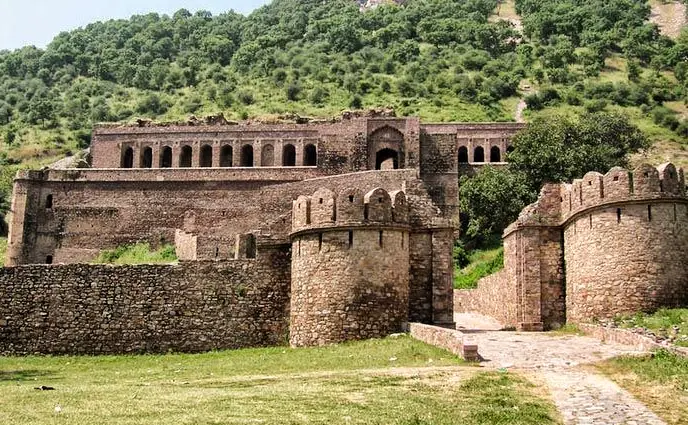
Ancient writings and stone-age sculptures may be found in this naturally occurring cave structure. It is a significant historical and archaeological site that offers a window into the area's prehistoric history. After acquiring permission from the forest government, visitors are allowed to explore these ancient caverns that the Maharaja formerly used as barracks for his soldiers when he lived on top of the hill in Bandhavgarh National Park.
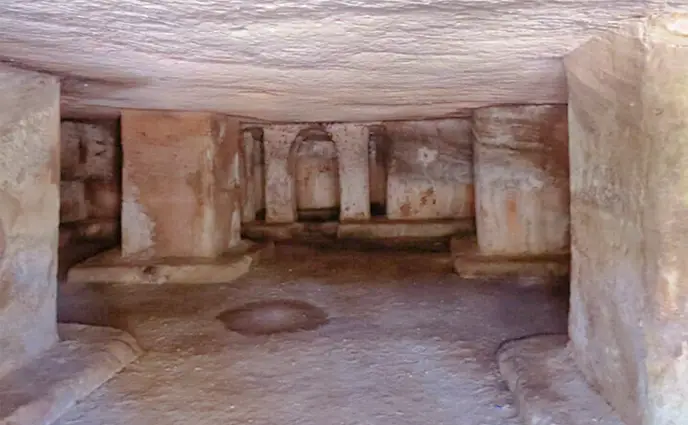
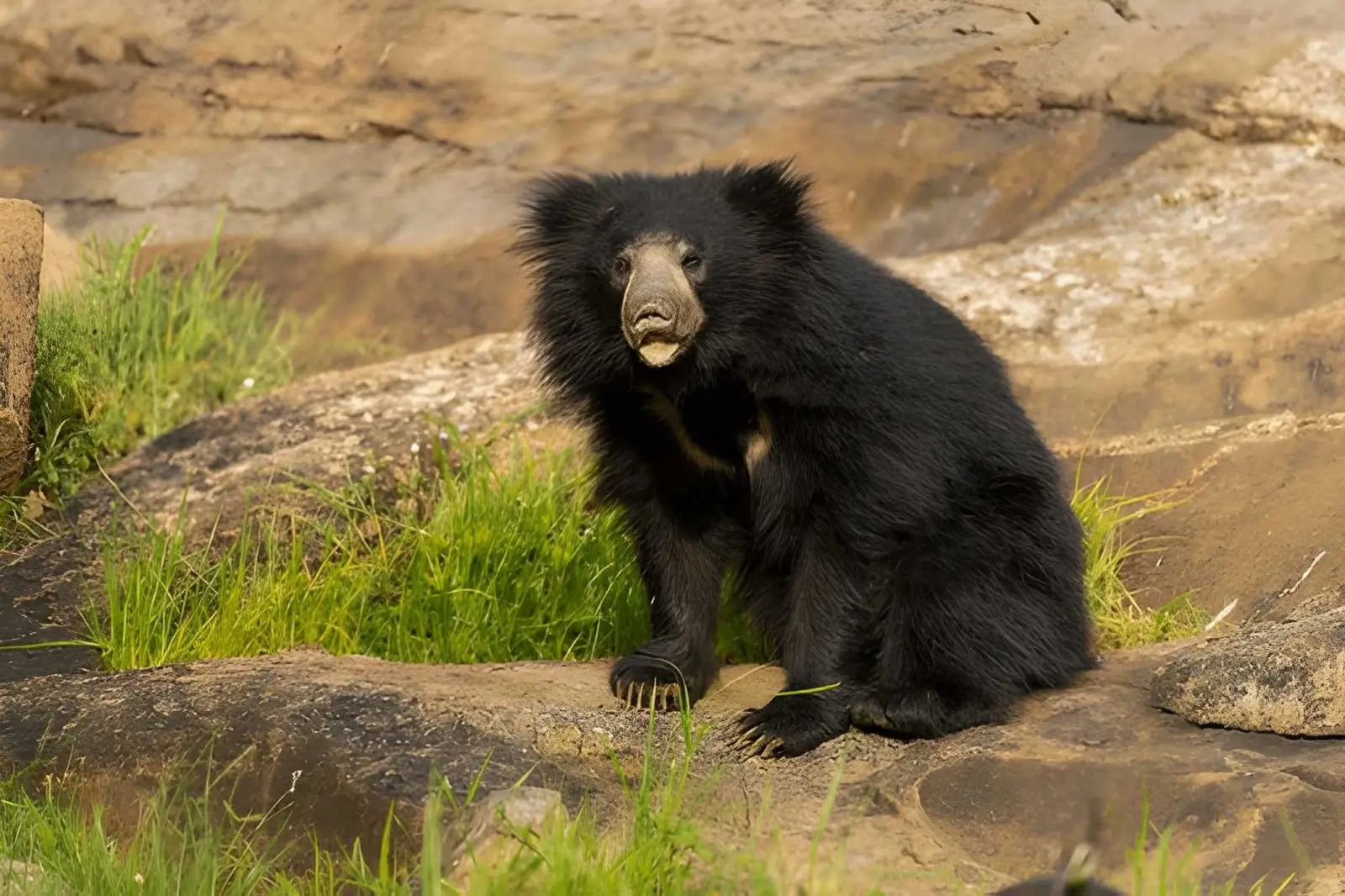
The Three Cave Point is one of Bandhavgarh National Park's most captivating locations. These sculptures demonstrate the application of complicated techniques in ancient times. Ganesh Hillock Road, which runs through the park, provides an excellent view of this location. Leopards, tigers, and sloth bears reside in this stunning setting, which also features wonderful sculptures.
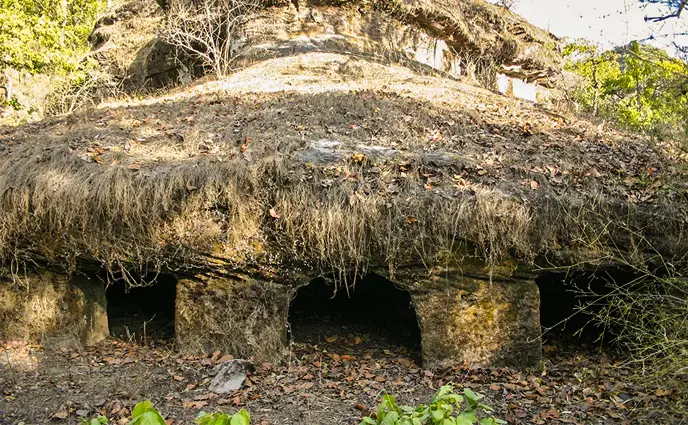
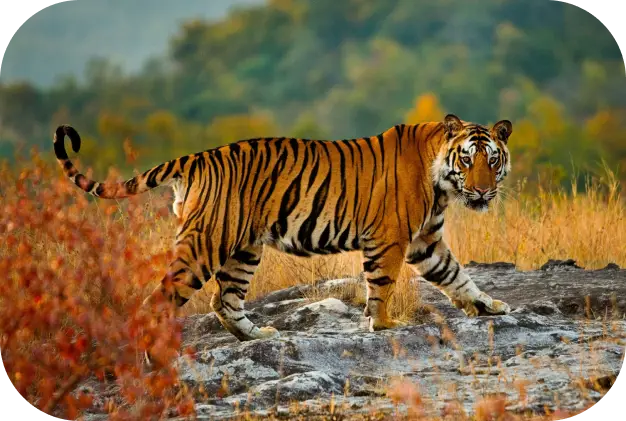
An exciting and engaging method to discover the park's unique species and magnificent landscapes is through safaris in Bandhavgarh National Park.
Exploring the abundant biodiversity and magnificent scenery of Bandhavgarh National Park is made possible through a thrilling and engaging wildlife safari. Bandhavgarh, one of India's top tiger reserves, promises exciting animal encounters, including the opportunity to see Bengal tigers in their native environment.
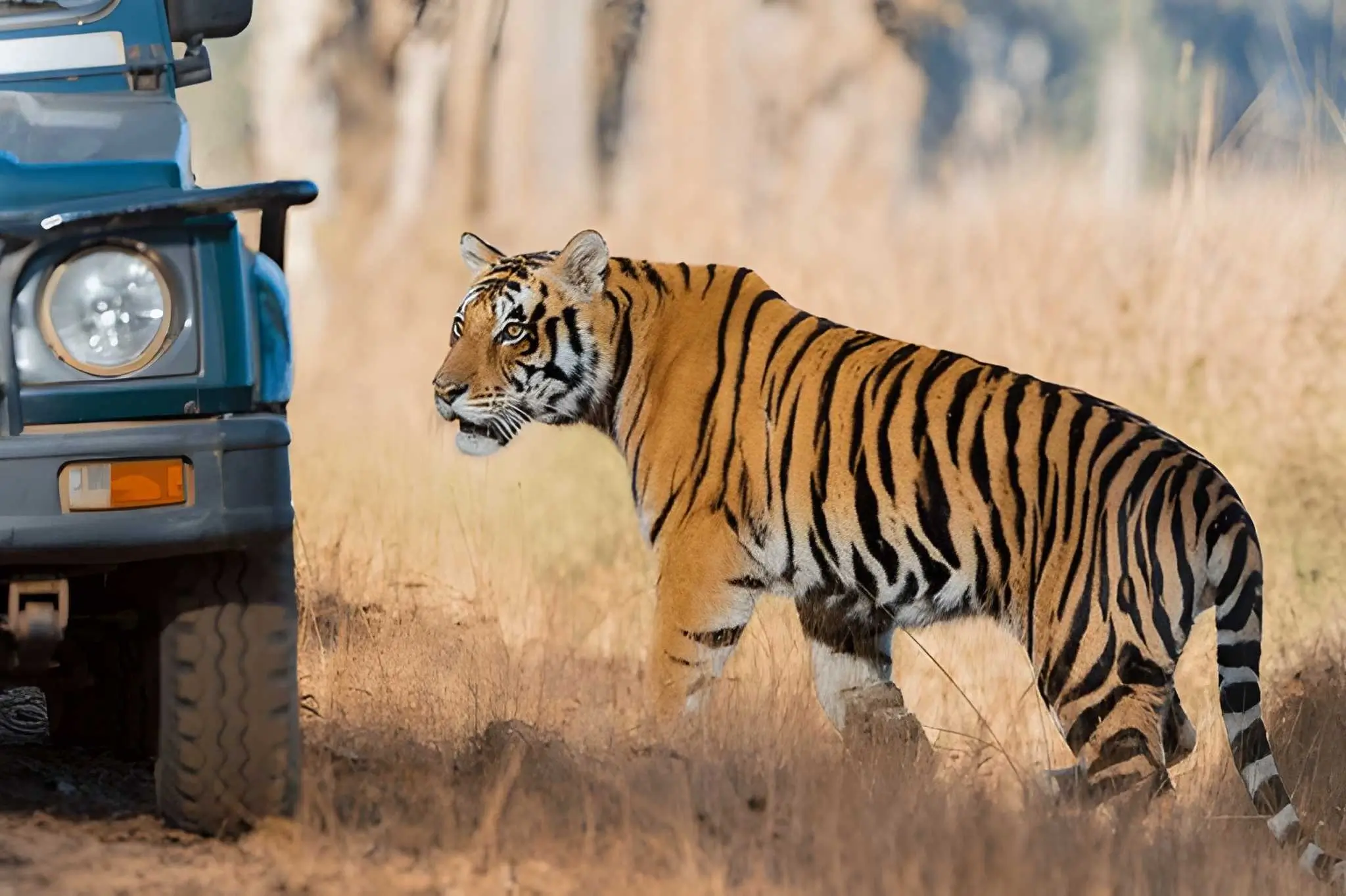
Jeep safaris are the most popular and often preferred way of exploring Bandhavgarh. These open-top vehicles can go across the rough terrain of the park and provide visitors a close-up glimpse of wildlife. Each safari jeep usually holds a small group of tourists, and a knowledgeable naturalist guide is there to assist in spotting and tracking down animals.
Jeep safaris are offered in the morning and afternoon, giving tourists the option to select a time that matches their schedules and maximises the chance of sighting wildlife. The morning safari, which begins at sunrise, is frequently favoured due to its lower temperatures and better possibilities of seeing wildlife, as the animals are more active in the morning. A full-day safari and a night safari are also available. The tourists will be picked up from their lodging by these jeeps, and after the safari, they will be dropped off at their accommodations.
The park is closed in the evenings on Wednesdays. On March's Holi festival, morning and afternoon safaris are not offered.
| Months | Morning Hrs | Evening Hrs |
|---|---|---|
| 15 Oct - 15 Feb | 6:30 AM - 11:00 AM | 14:30 PM - 17:30 PM |
| 16 Feb - 31 March | 6:30 AM - 11:00 AM | 15:00 PM - 18:00 PM |
| 01 Apr - 30 June | 5:30 AM - 10:00 AM | 16:00 PM - 19:00 PM |
The perfect tiger country and home to some of the greatest sightings in the nation is Bandhavgarh, often known as the "land of the tigers.
Jungle safaris are the preferred activity for visitors in Bandhavgarh. Core Zone and Buffer Zone are the two main zones that make up the forest. The core zone is a significant region where the forest department aggressively enforces protections for the preservation of animals and natural resources. The buffer zone is the region that borders or surrounds the main regions and is used for both suitable human activities on land and in water while also protecting the natural environment. Khitauli, Magdhi, and Tala are the three Main Zones of Bandhavgarh along with three buffer zones: Dhamokhar, Panpatha (Pachpedi), and Johila (Kalwa).
Bandhavgarh National Park is open from October to June every year, marking the wildlife tourism season. During the monsoon season, the national park remains closed to visitors. Therefore, the best time to visit Bandhavgarh Tiger Reserve for a jungle safari is from October to November.
Winter Season in Bandhavgarh
This is typically thought of as Bandhavgarh's busiest travel period. The winter months provide comfortable daytime temperatures as well as chilly mornings and evenings. During this period, wildlife sightings are very good and the comfortable temperatures make the weather suitable for safaris.
Summer Season in Bandhavgarh
Early summer is usually the ideal time to take pictures of animals, especially if one wants to capture mesmerising photographs of tigers. The parched foliage makes it simpler to see animals, such as tigers, as they gather around water sources.
Monsoon Season in Bandhavgarh
In the monsoon, Bandhavgarh Park is closed to visitors. However, at this time the whole park turns lush green. Because of the potential for significant incidents of waterlogging during this time, it is sometimes hard to navigate throughout the park. The mammals and birds give birth during this time.
To reach Bandhavgarh by air, the most convenient option is to fly to Jabalpur Airport, which is the nearest airport to the national park. Jabalpur Airport is well-connected to major cities in India. From the airport, you can hire a taxi or take a pre-arranged transfer to reach Bandhavgarh.
To reach Bandhavgarh by train, you can opt for Umaria Railway Station, which is the nearest railhead. Umaria is well-connected to major cities, and from the railway station, you can hire a taxi or use other local transportation to reach Bandhavgarh National Park. The train journey provides a scenic route is a comfortable way to access the wildlife sanctuary.
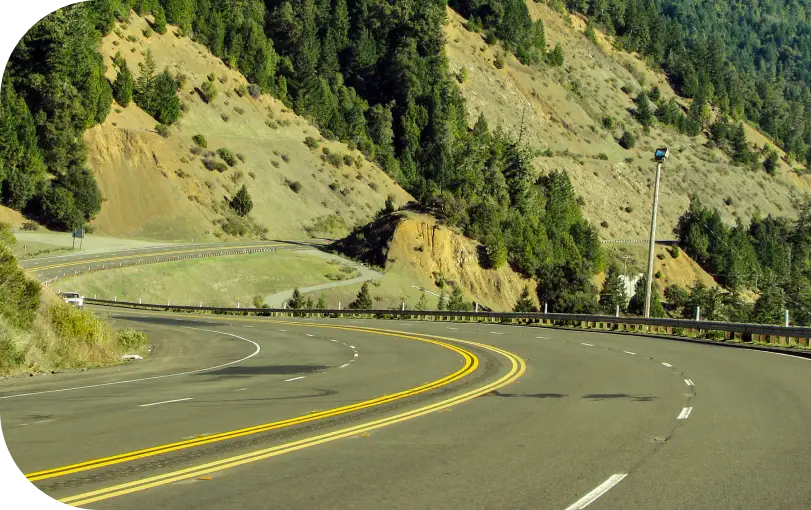
To reach Bandhavgarh by roadway, you can embark on a road trip or use public and private transportation services. Bandhavgarh is well-connected by road to major cities and towns in Madhya Pradesh and nearby states. The nearest towns with good road connectivity are Umaria and Katni. You can hire a taxi, use private transportation services, or take a bus to reach Bandhavgarh National Park.
View this Tour

View this Tour
View this Tour
View this Tour
View this Tour
View this Tour
View this Tour
View this Tour
View this Tour
October to March is the peak season with comfortable temperatures, ideal for safaris. April and May offer better tiger sightings due to heat, but temperatures are very high.
No accommodations are allowed inside the park. However, many lodges, resorts, and hotels are available near the park.
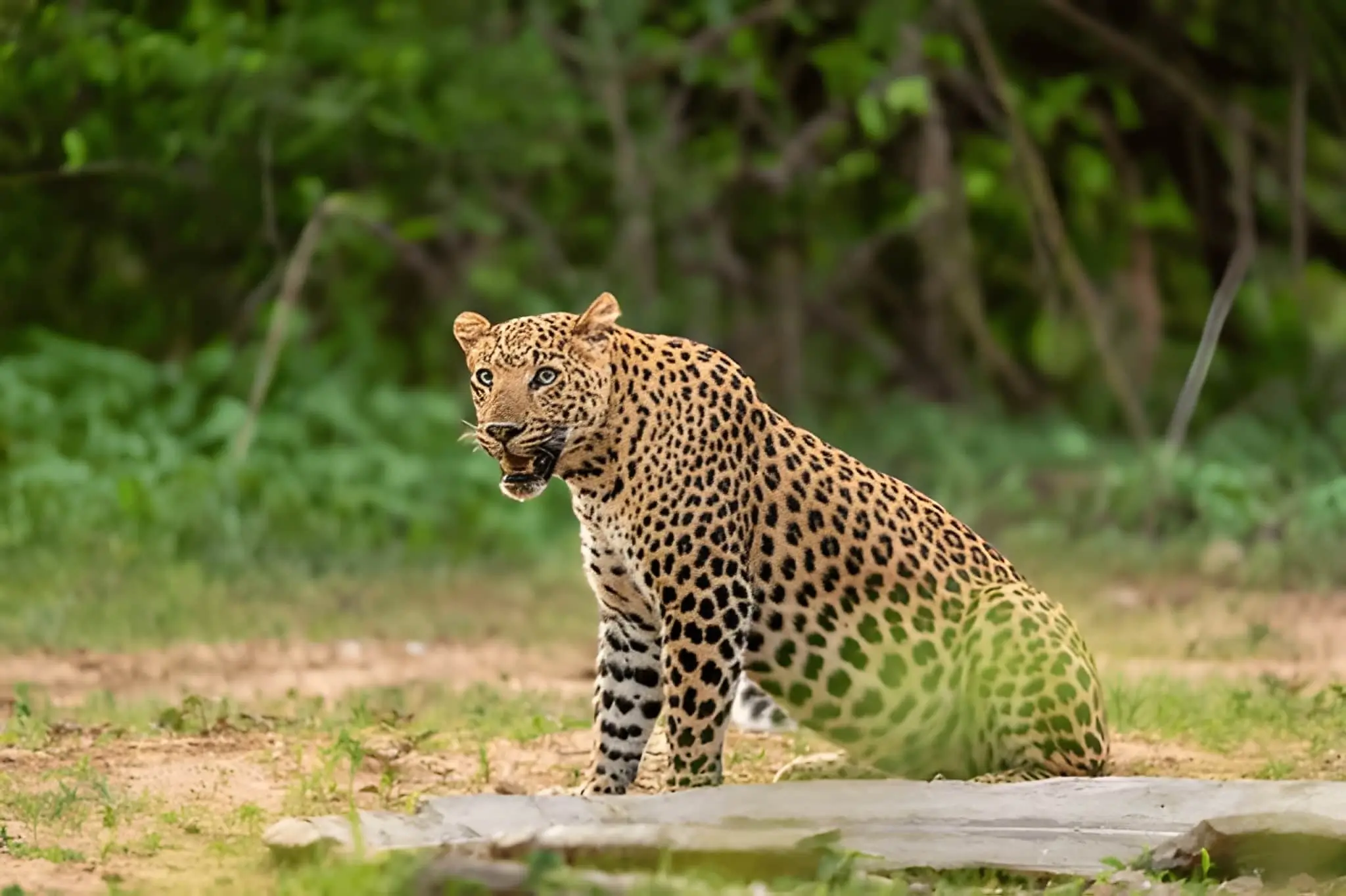
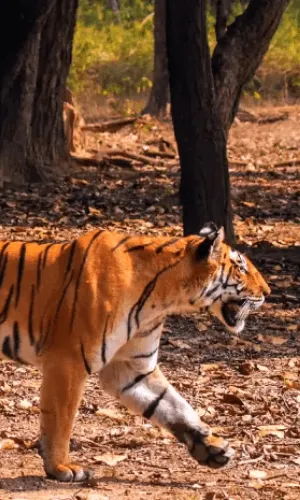
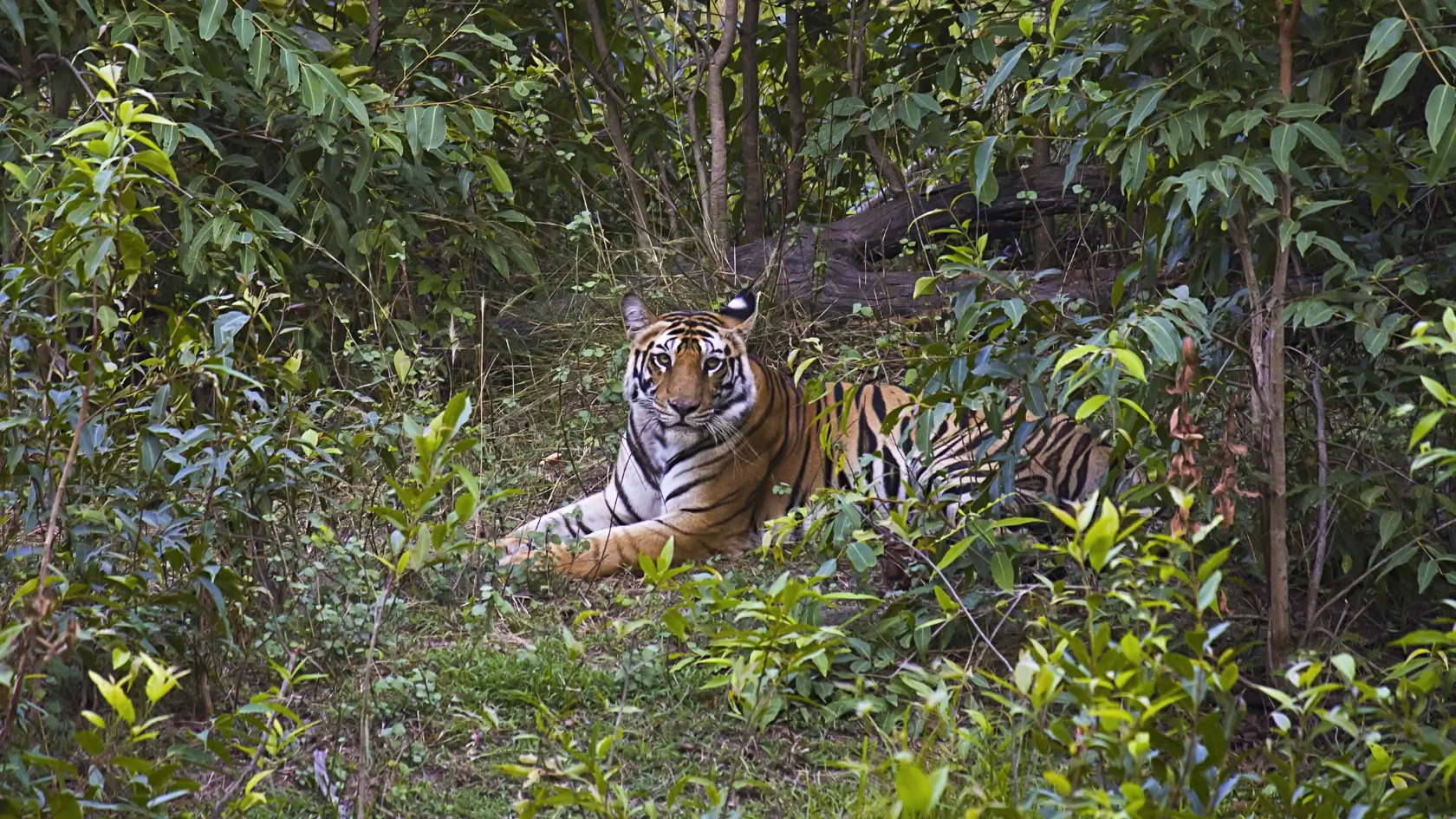
The park is famous for Royal Bengal tigers. Other wildlife includes leopards, sloth bears, chital, gaur, and various bird species.
Elephant safaris are not available. Jeep safaris are the primary way to explore the park.
 +91-9212553107
 What'sApp


 Packages
 +91-9212553107