Explore Pench Tiger Reserve in the Central Region of India, renowned as the best wildlife reserve for spotting big cats in their natural habitat.
The inspiration for Rudyard Kipling's classic, "The Jungle Book," Pench National Park is situated in Madhya Pradesh, Central India. The park gets its name from the Pench River that winds its way through the region, creating a vital source of water for the park's flora and fauna. It is known for its mesmerising wilderness which is home to a rich biodiversity and stunning landscapes with lush forests and meandering rivers. Pench National Park spreads over an area of 257.26 square kilometres and it includes Pench Tiger Reserve, which straddles two states, Madhya Pradesh and Maharashtra. The national park is currently home to 39 species of mammals including 40 Bengal Tigers, 13 species of reptiles, more than 200 species of birds including migratory ones. The whole area is divided into seven safari zones such as Touria, Karmajhiri, Jamatra, Rukhad, Teliya, Khawasa, Khumbhpani. And, the best way to explore this enchanting wilderness is by taking a safari to one of these zones, where you can witness the untamed beauty of nature up close.
Previously, Pench National Park was established as a wildlife sanctuary in 1965. After ten years, in 1975, it was then raised to the status of national park and finally declared one in 1983. In 1992, the park was also enlisted as a tiger reserve due to its rich population of Bengal Tigers. Besides being a major protected area of the Satpura - Maikal ranges it is also notified as IBA or Important Bird Areas of India. Speaking of Pench National Park, the reference is mostly to the tiger reserve. The park was declared as the 19th Tiger Reserve of India in the year 1992 under Project Tiger. According to earlier records found in the 16th and 17th centuries, the area was reported to have an extremely rich biodiversity. However, until 1818, the Gond rulers, Marathas and then the Britishers, cleared large tracts of the forests for purposes like dwellings and cultivation. After 1862, efforts were taken to end the destruction and declared the area as a reserved forest. In 2002, Pench National Park was renamed as Indira Priyadarshini National Park.
Pench, the biodiversity hotspot of Central India is classified as a TMD or Tropical Moist Deciduous habitat for tigers. It belongs to the Indo-Malayan phytogeographical region. The park's floral diversity includes teak, sal, mahua, and bamboo, which are some of the prominent tree species that dominate Pench's landscape. These trees offer a vital habitat for a variety of wildlife. Teaks and other associated species can be found on the flat terrains whereas bamboo forests occur along the streams and hilly slopes. Evergreen tree species are mostly found in the river banks.
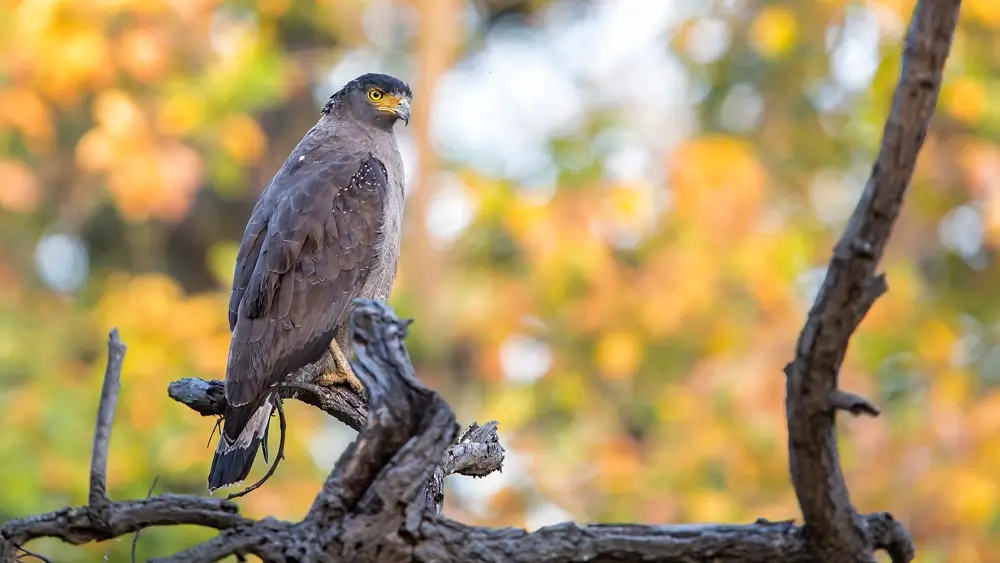
The vegetation of Pench National Park contributes significantly to its vibrant ecosystem, supporting a wide range of herbivores, birds, and insects. The diversity is a haven for nature lovers, birdwatchers and wildlife enthusiasts as it sustains a large number of avian species including common kingfisher, wagtail, munia, junglefowl, Indian roller, red-vented bulbul, herons, pintail and more.
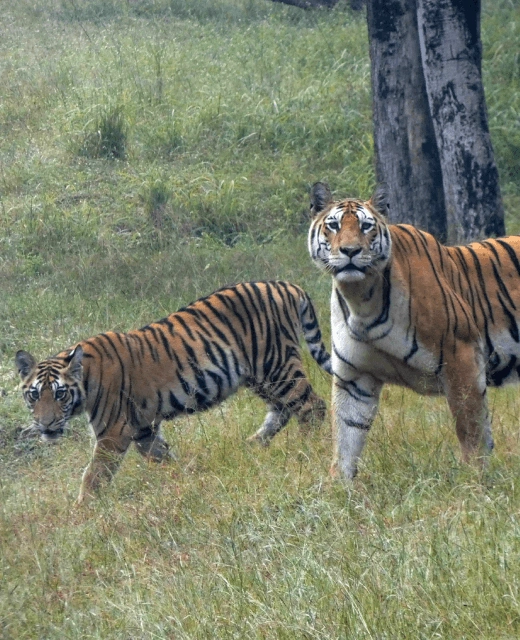
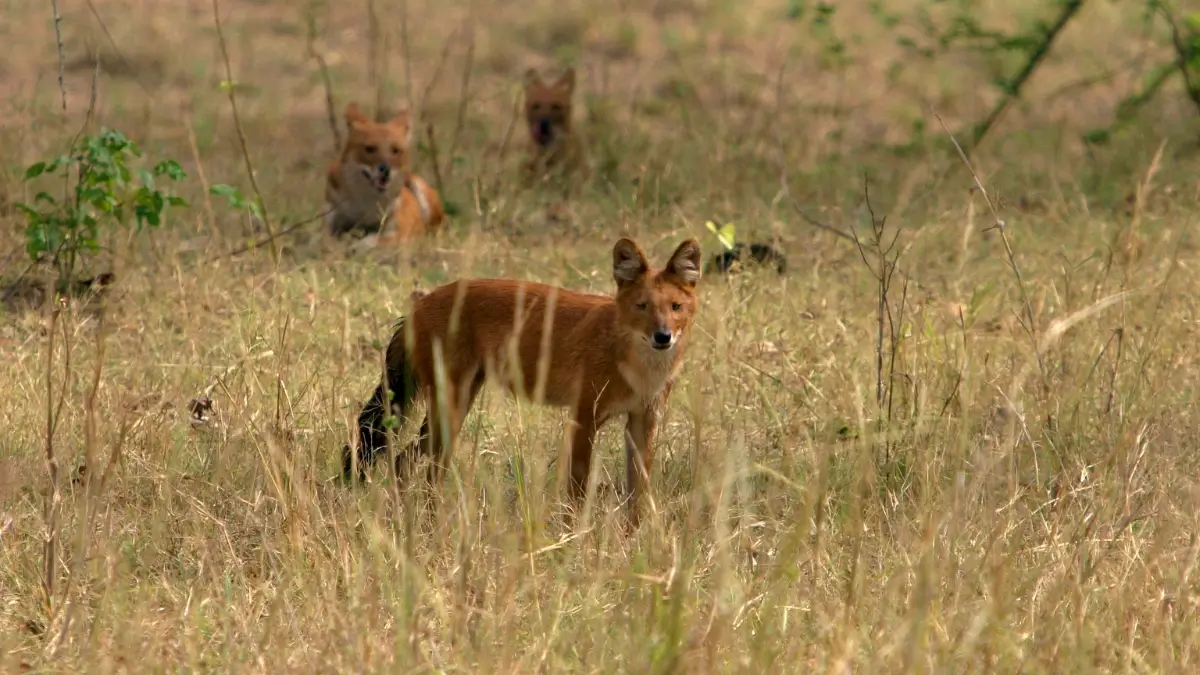
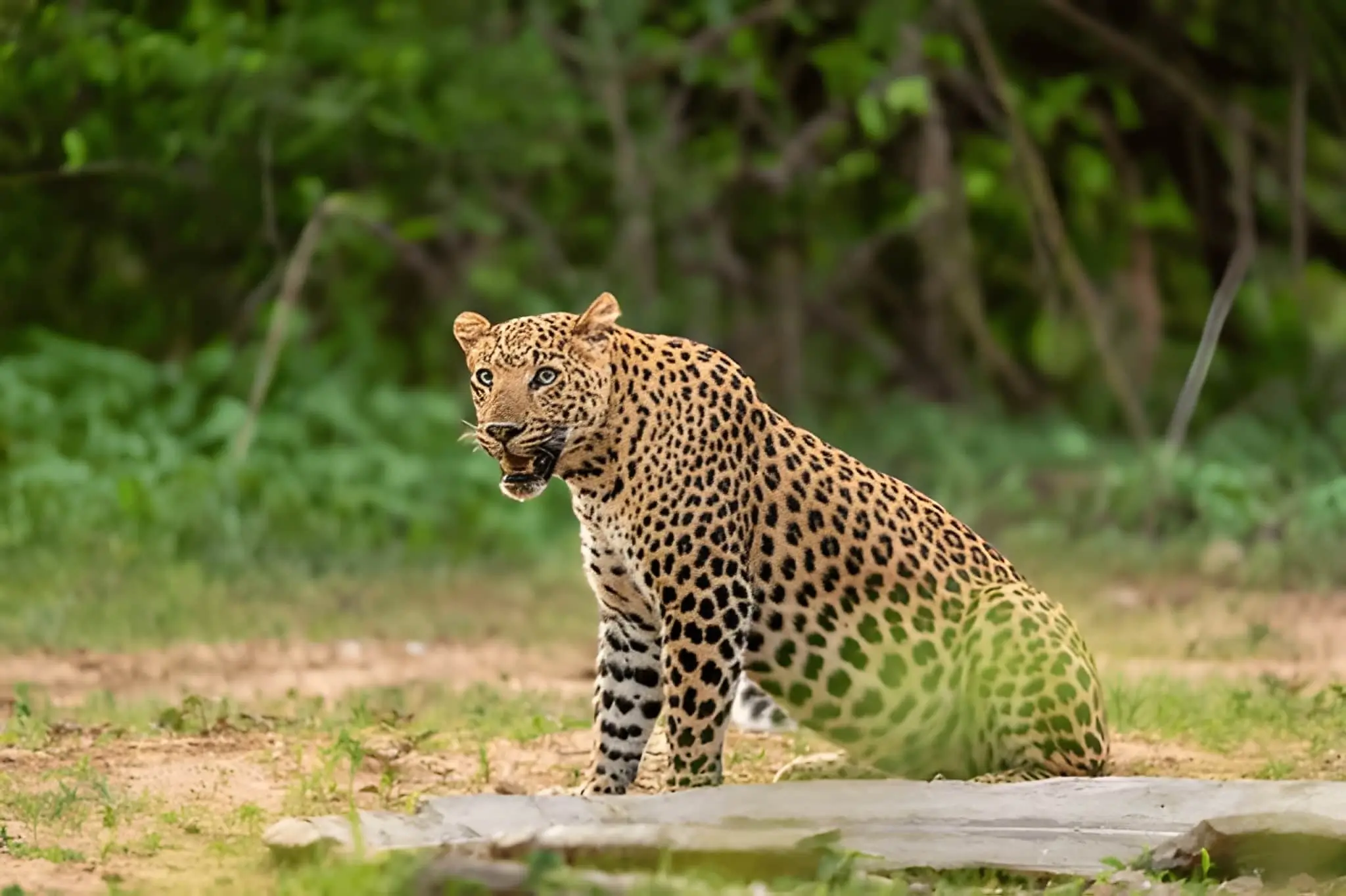
Pench National Park is categorised as Oriental region as per Zoogeography. The region is mostly dominated by carnivores which includes Indian Leopard, Bengal Tiger, dhole, jungle cat and Indian civet. Wolves are also a major part of the carnivores and it is also found outside the territory of the reserve.
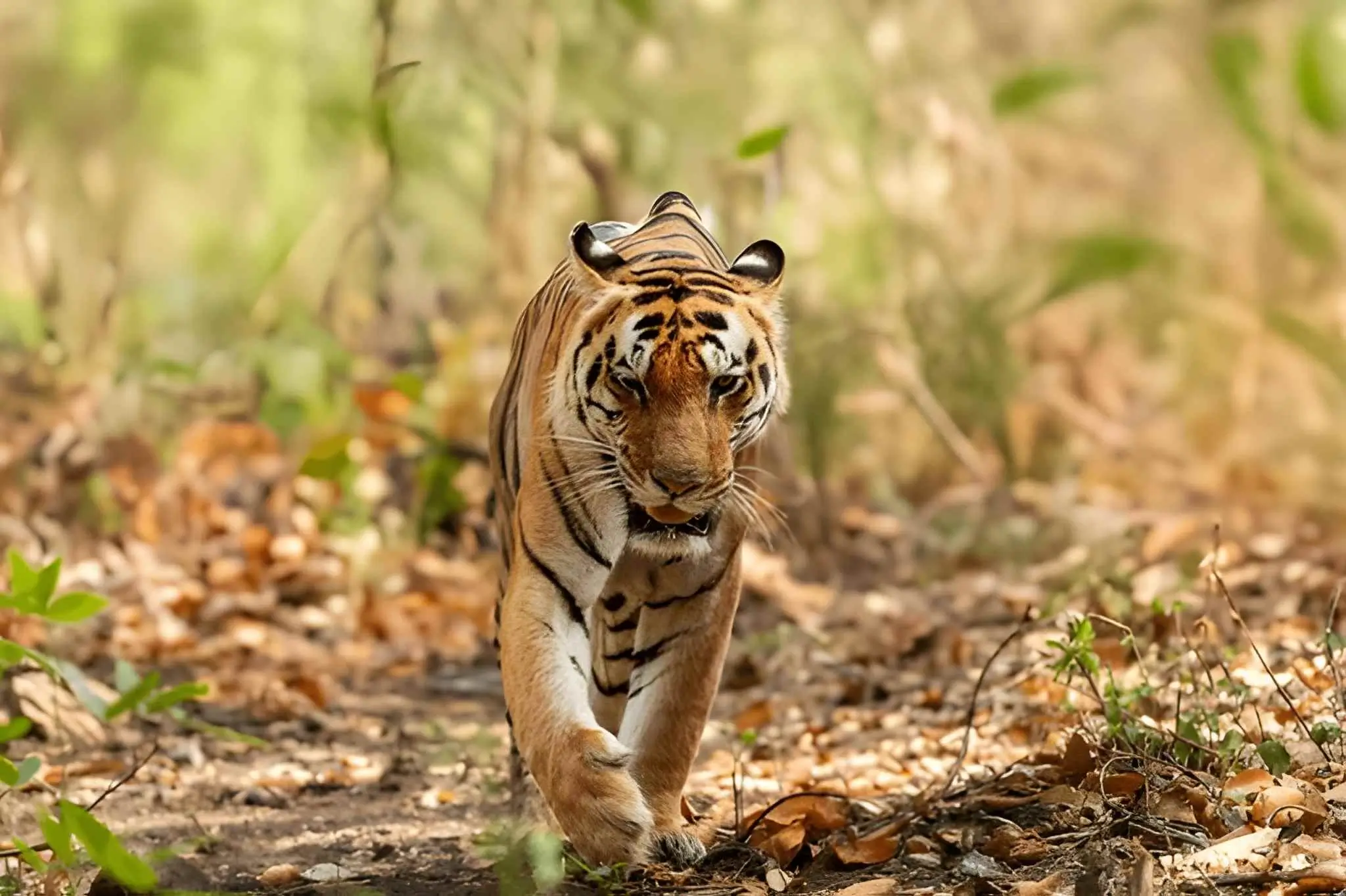
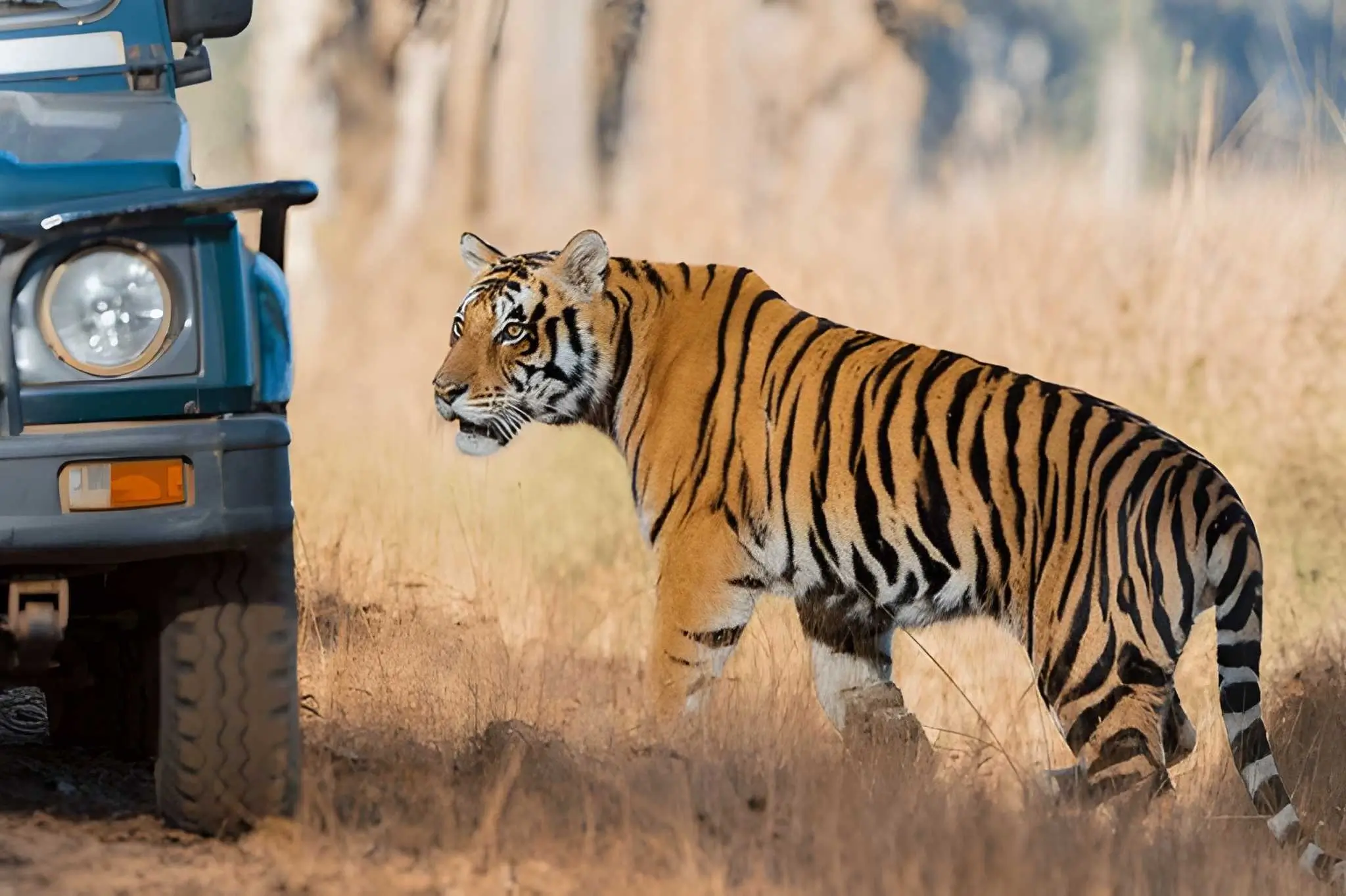
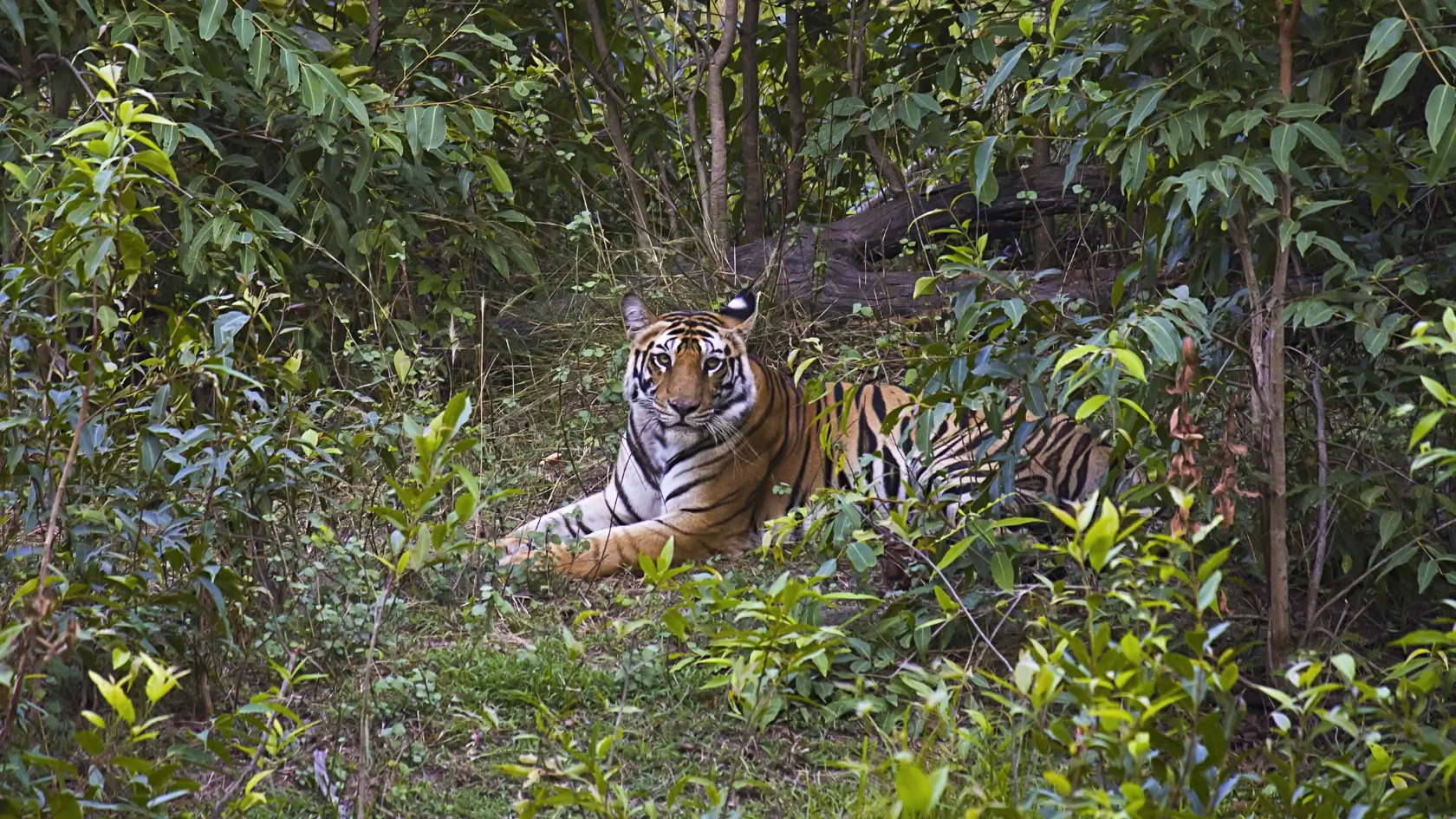
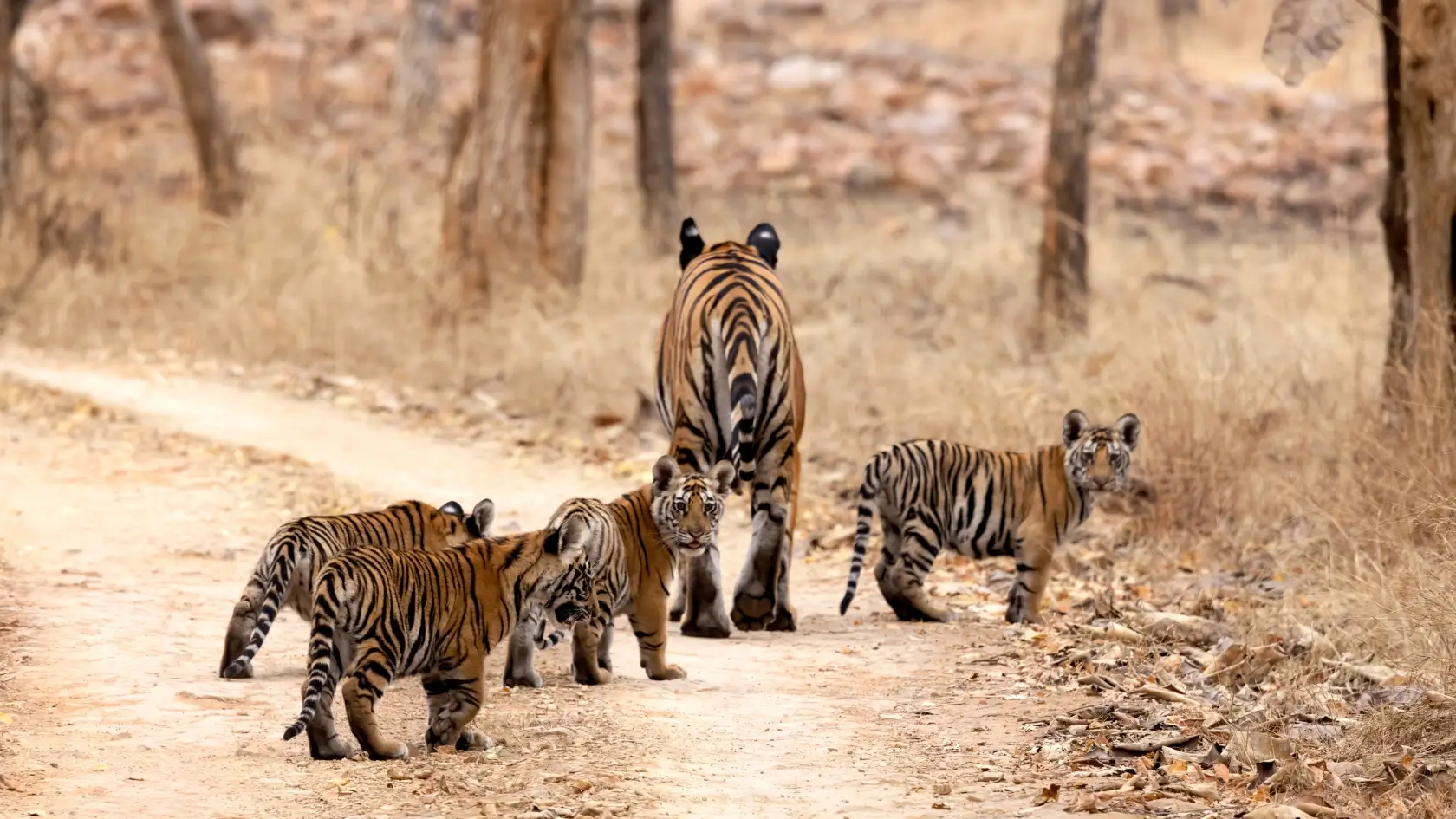
Pench's fauna is mainly famous for the enigmatic Bengal Tigers. As per the data reported in 2018, the reserve has more than 80 magnificent big cats. The best way to spot them in the wild is to take a safari trip to some of the famous zones in Pench such as Turia, Khursapar etc.
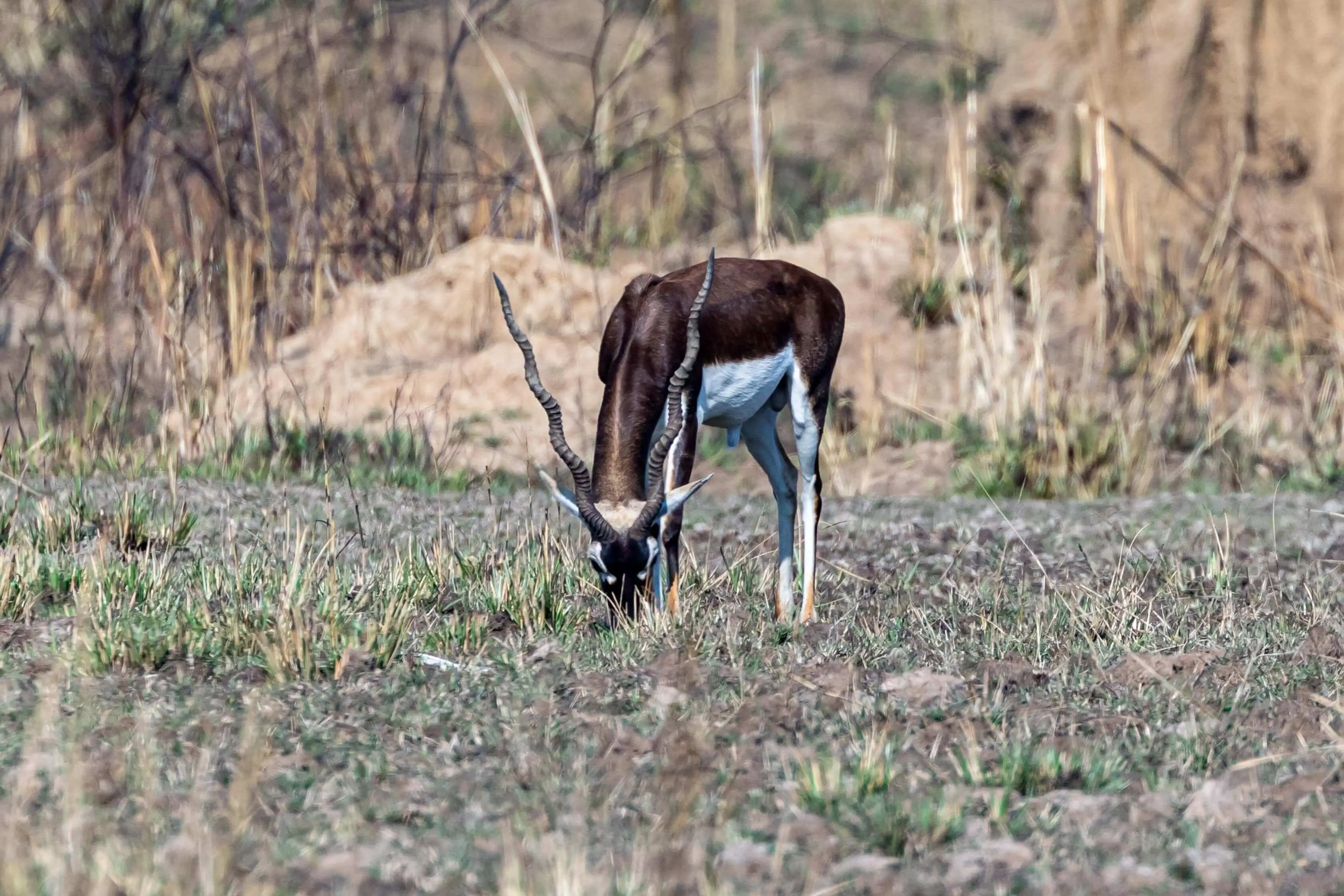
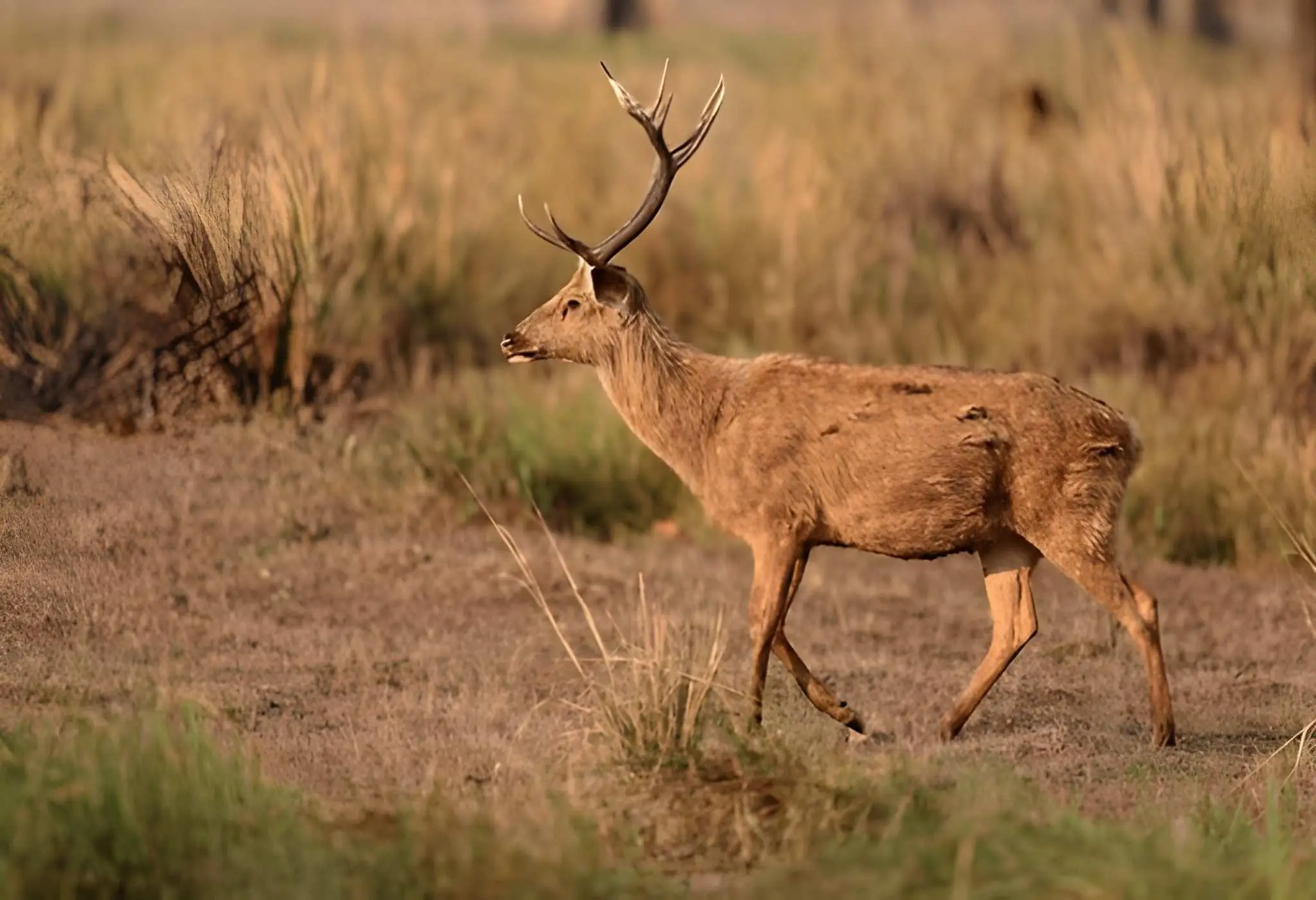
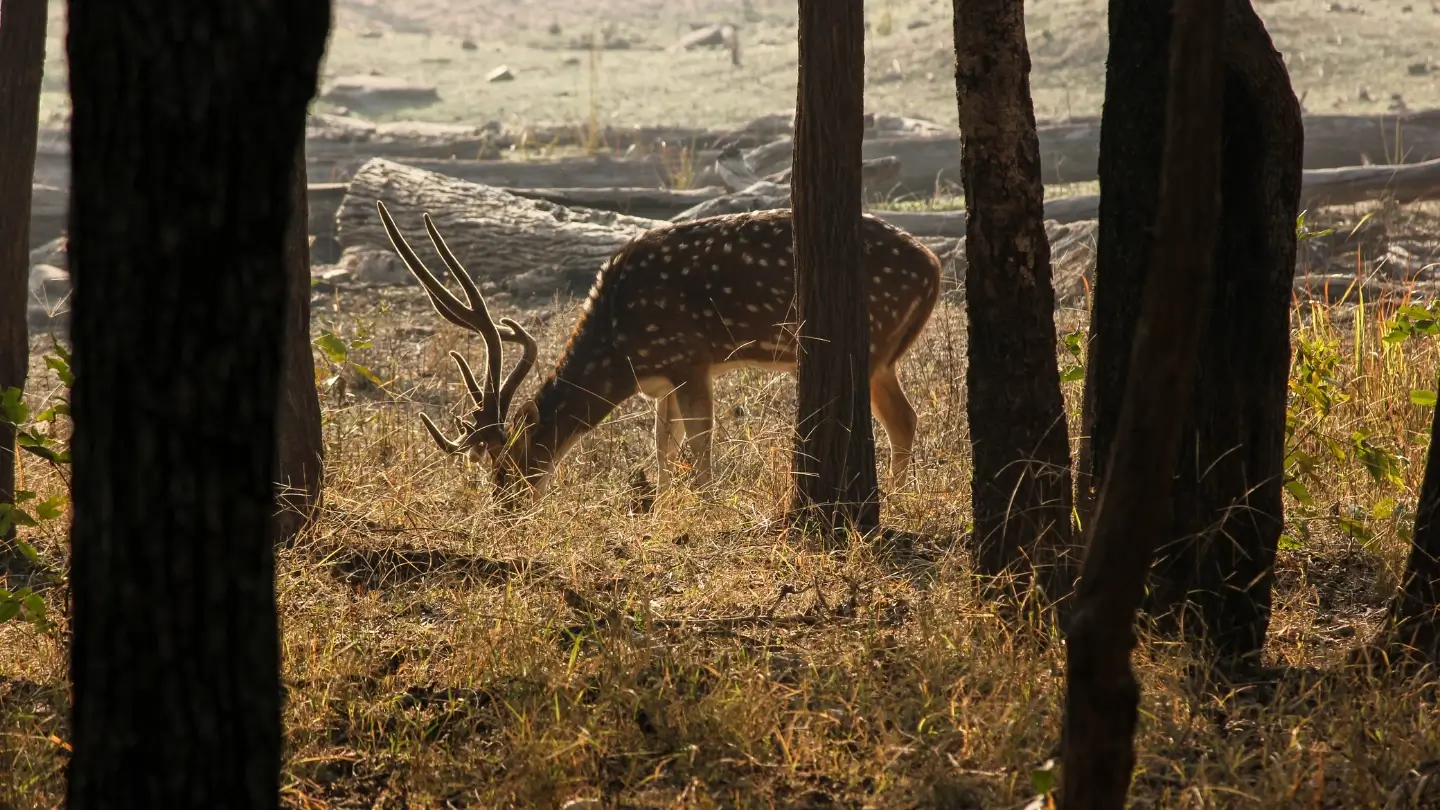
Apart from tigers and leopards, chital, gaur, nilgai, sambar wild pig, Indian muntjac and chousingha are other species one can find in the forests in abundance. These animals are widely found in the reserve throughout the year. Only gaur come down from the hill and occupy the areas along the river in dry season and in monsoon, they return back to the hills. Moreover, in the open areas, outside the buffer zones, chinkara are also spotted infrequently.
Other common species found in Pench National Park are grey langur, rhesus macaque, mongoose, Indian grey mongoose, ruddy mongoose and Indian hare.
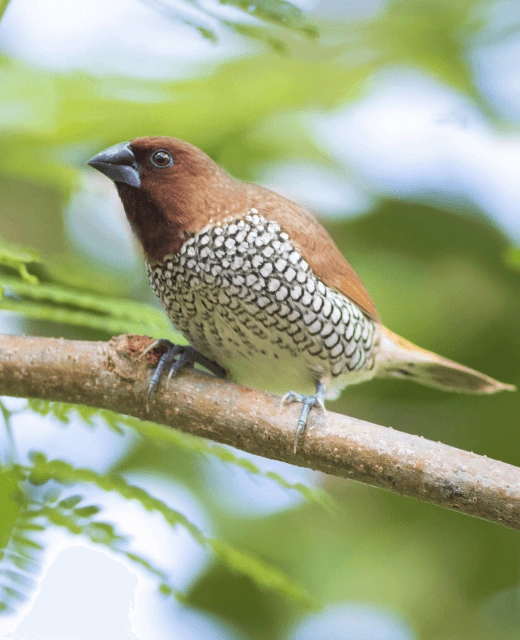
Pench's floral diversity including teak forests, open grasslands and winding rivers, create one of the perfect environments to house avian wonders of the country. Moreover, the environment, especially the water bodies throughout the reserve is also ideal for migratory birds coming from different countries across the globe in winters. According to reports, Pench National Park is home to around 280 avian species.
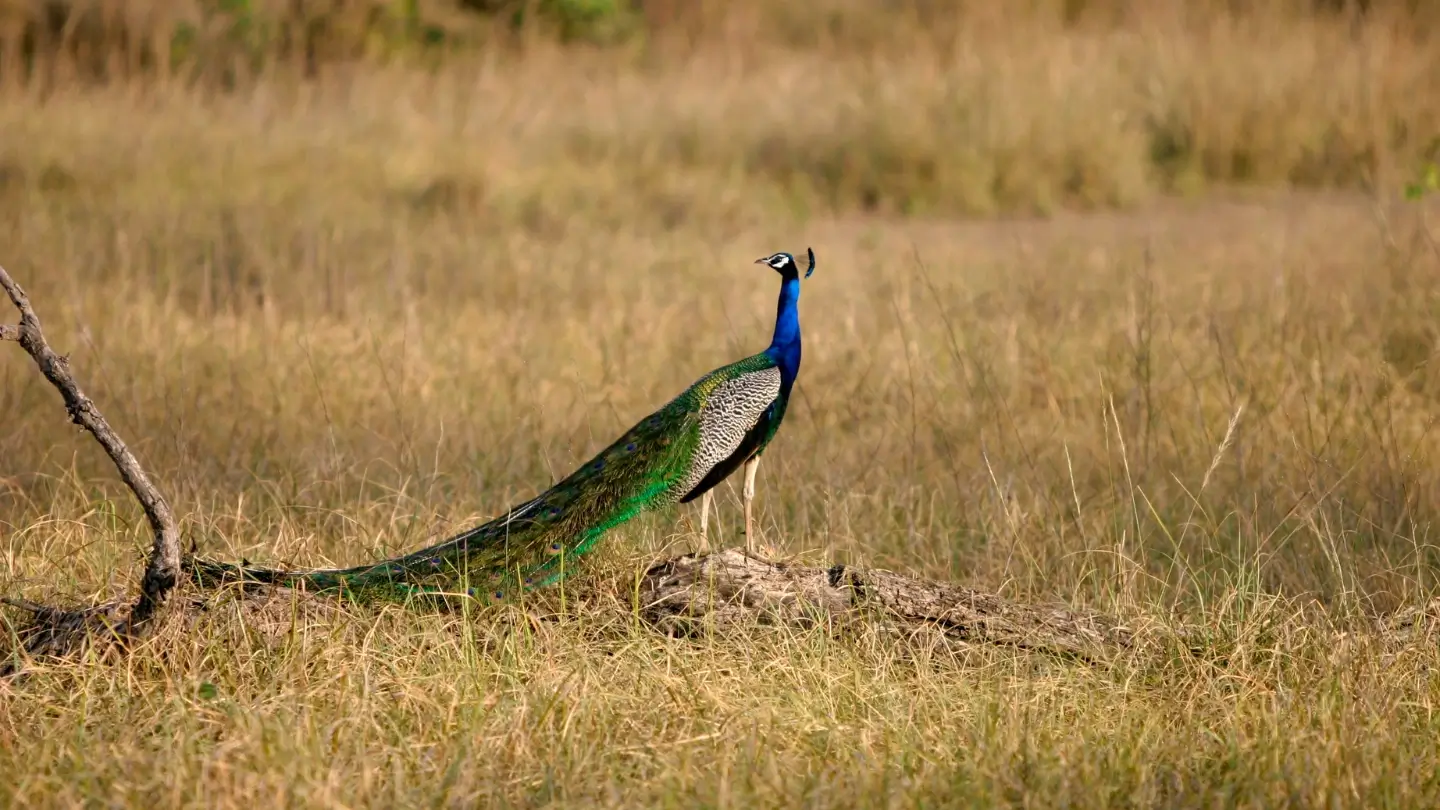
The national park is a haven for birdwatchers. Some of the commonly spotted resident species here include the Indian Pitta, Indian Roller, Old World Orioles, Red - vented bulbul, Coppersmith barbet, Lesser whistling duck, Greater coucal, Jungle fowl, Asian openbill, Laughing dove, Indian scops owl, Bay-backed Shrike, Black drongo, Indian pied myna, Indian grey hornbill, Jungle owlet and many more.
During the winter months, from November to February, Pench becomes home to a variety of migratory birds. These birds are the pulling force which attract several photographers, birdwatchers and researchers to Pench from across the world. Some of the migratory birds found in the national park are Pintail, Great egret, Black stork, Osprey, Mallard, Peregrine falcon and others.
Visitors to Pench Tiger Reserve can explore nearby destinations within 50-200 kilometers, in addition to enjoying jungle safaris. Numerous places near Pench offer excellent sightseeing options. Here are some must-visit places near Pench.
Kohka Lake, nestled near Pench, is a serene water body offering tranquility and picturesque views. Surrounded by lush greenery, it provides a peaceful escape and serves as a delightful spot for nature lovers.
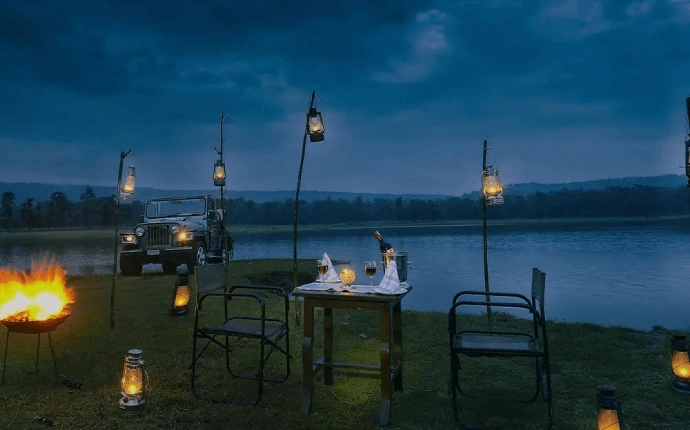
Sukla Dam, located near Pench, is a man-made reservoir that adds to the scenic beauty of the region. The dam offers a tranquil environment, making it an ideal spot for nature enthusiasts.
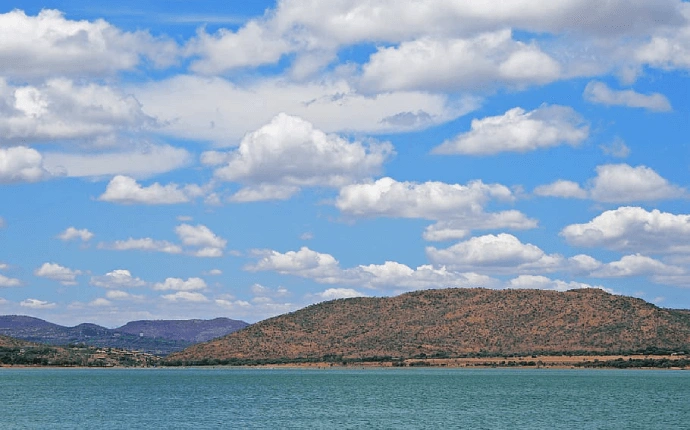
Alikatta near Pench is a pristine area renowned for its diverse flora and fauna. A haven for wildlife enthusiasts, it provides an immersive experience in the natural wonders of the region.
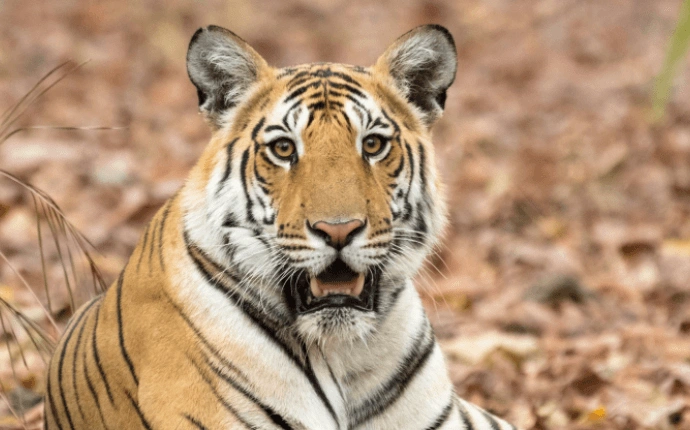
Totladoh Dam near Pench is a significant reservoir enhancing the scenic beauty of the region. Surrounded by lush landscapes, it offers a serene environment, making it an appealing destination for visitors.
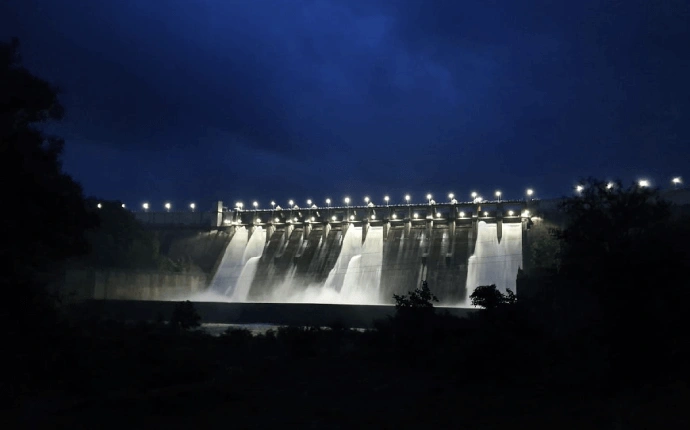
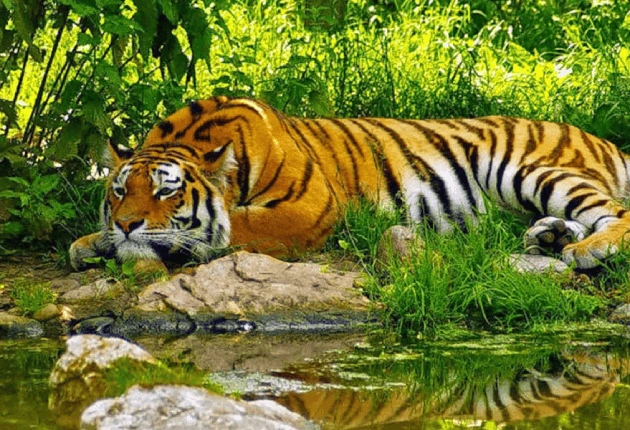
Pench National Park allows different types of wildlife safari inside the park. The trips are conducted in morning and afternoon, as these are times when the animals are active. The safari is categorised as follows:
Normal Safari : These are the normal jeep and canter safari where a maximum of six and 16 visitors are allowed per vehicle, respectively.
Tatkal Safari : This type of safari is only available in premium zones. The quota for this safari opens at 5:00 PM every day for the next day morning and afternoon safaris.
Premium Safari : This type of safari is permitted for an entire day, to explore all zones of the national park in a day.
Elephant Safari : Elephant safari is only available in the Maharashtra side of the national park. Apart from a guide and mahout, four visitors are allowed in this type of safari.
Night Safari : This type of safari is only permitted in the Wolf Sanctuary Zone from 5:30 PM to 8:30 PM.
Cycle Safari : Presently, cycle safari is available on 48 kilometres long Kolitmara to Kunwara Bhivsen stretch in West Pench, Maharashtra.
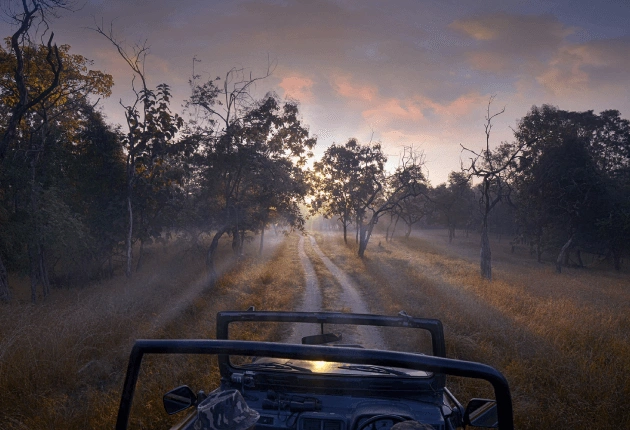
Safari Timings in Pench National Park change according to the seasons. It remains open from mid-October to June and closed in monsoon.
Safari Timings in Winter
Safari Timings in Summer
Timings for Night Safari : 5:30 PM to 8:30 PM (in all seasons)
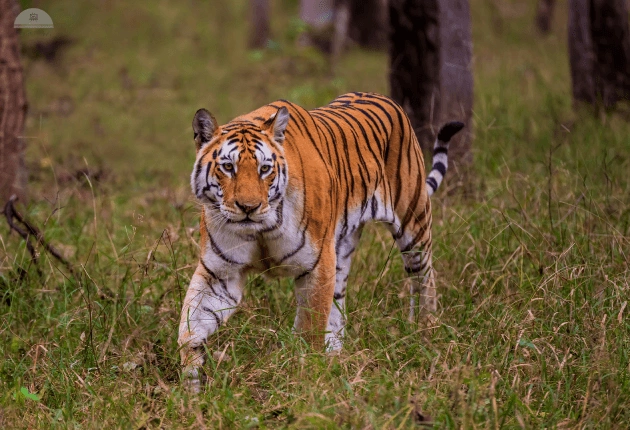
The core zones of Pench National Park in Madhya Pradesh are :
Touria : This is the oldest and most popular zone in Pench for tiger sightings. A total of 74 jeeps are allowed in this zone every day. However, it remains closed in the afternoon on Wednesdays.
Karmajhiri : A total of 16 jeeps are allowed in this zone everyday. However, it remains closed on Wednesdays for both the shifts.
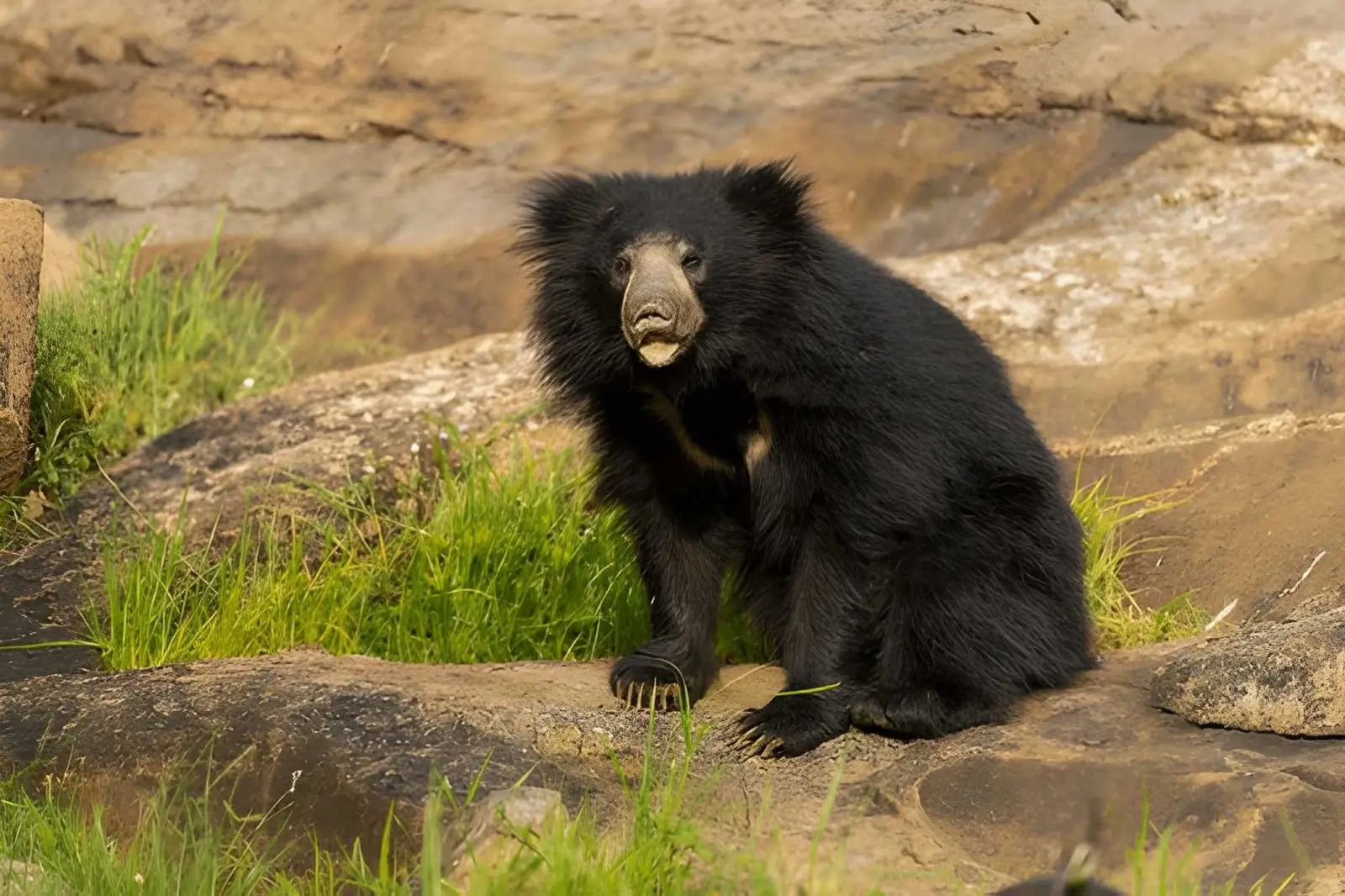
Jamatra : One of the best zones for sloth bear sightings, this gate or zone remains closed on Wednesdays.
The buffer zones of Pench National Park in Madhya Pradesh are :
Rukhad : A total of 36 jeeps are permitted in this zone. Night safari can also be done; only five jeeps are allowed at night.
Teliya : The most popular zone for black panther, leopard and wolf sightings. A total of 37 jeeps are allowed in Teliya.
Khawasa : This buffer zone is situated near Touria zone. A total of 36 jeeps are allowed in this zone. Night safari is also allowed here.
Kumbhpani : A total of 10 jeeps are allowed in this zone.
The core zones of Pench Tiger Reserve in Maharashtra are:
Sillari : Another popular zone for tiger sightings, Sillar is located around 40 kilometres from Touria gate. A total of around 100 jeeps are allowed in Sillari. It remains closed on Wednesdays.
Khursapar : This is also a famous zone for tiger sightings. A total of 60 jeeps are allowed here everyday. However, it remains closed on Tuesdays.
Chorbahuli : This zone was opened for visitors on 1st January, 2023. A total of 28 jeeps are allowed everyday except on Mondays.
The buffer zones of Pench Tiger Reserve in Maharashtra are:
Kolitmara : In this zone, visitors can go on a safari in their own vehicles. A total of seven and 13 vehicles are allowed in this zone in the morning and evening, respectively.
Surewani : 14 jeeps are allowed in this zone.
Khubada : 24 jeeps are allowed in this buffer zone.
Paoni : It is a buffer zone and a part of Umred Paoni Karhandla Sanctuary.
November to February is the best time to visit Pench National Park as the weather remains pleasant this time. However, for tiger sightings, April to June is the best time as the vegetation gets thinner and the big cats are frequently seen near the water bodies to quench the thirst.
Summer Season in PenchPench National Park during the summer season unveils a vibrant tapestry of wildlife. The warm months, from March to June, offer optimal safari conditions, allowing visitors to witness diverse flora and fauna.
Monsoon Season in PenchMonsoon transforms Pench National Park into a lush, green paradise. From July to September, rain showers rejuvenate the landscape, creating a vibrant ecosystem. Witness the park's beauty amidst the refreshing downpours.
Winter Season in PenchWinter in Pench National Park, from November to February, unveils a serene and misty landscape. The cool weather enhances the wildlife experience, providing a tranquil setting for wildlife enthusiasts and photographers.
*The Pench Tiger Reserve observes closure from June to September during the monsoon season, prohibiting safaris in the core zones. This temporary restriction ensures the safety of both visitors and wildlife.
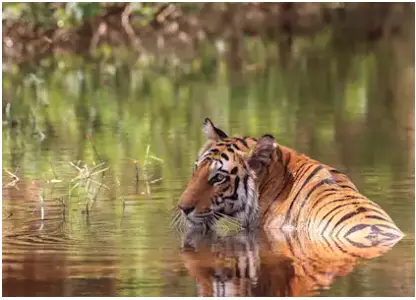
To reach Bandhavgarh by air, the most convenient option is to fly to Jabalpur Airport, which is the nearest airport to the national park. Jabalpur Airport is well-connected to major cities in India. From the airport, you can hire a taxi or take a pre-arranged transfer to reach Bandhavgarh.
To reach Bandhavgarh by train, you can opt for Umaria Railway Station, which is the nearest railhead. Umaria is well-connected to major cities, and from the railway station, you can hire a taxi or use other local transportation to reach Bandhavgarh National Park. The train journey provides a scenic route and is a comfortable way to access the wildlife sanctuary.
To reach Bandhavgarh by roadway, you can embark on a road trip or use public and private transportation services. Bandhavgarh is well-connected by road to major cities and towns in Madhya Pradesh and nearby states. The nearest towns with good road connectivity are Umaria and Katni. You can hire a taxi, use private transportation services, or take a bus to reach Bandhavgarh National Park.

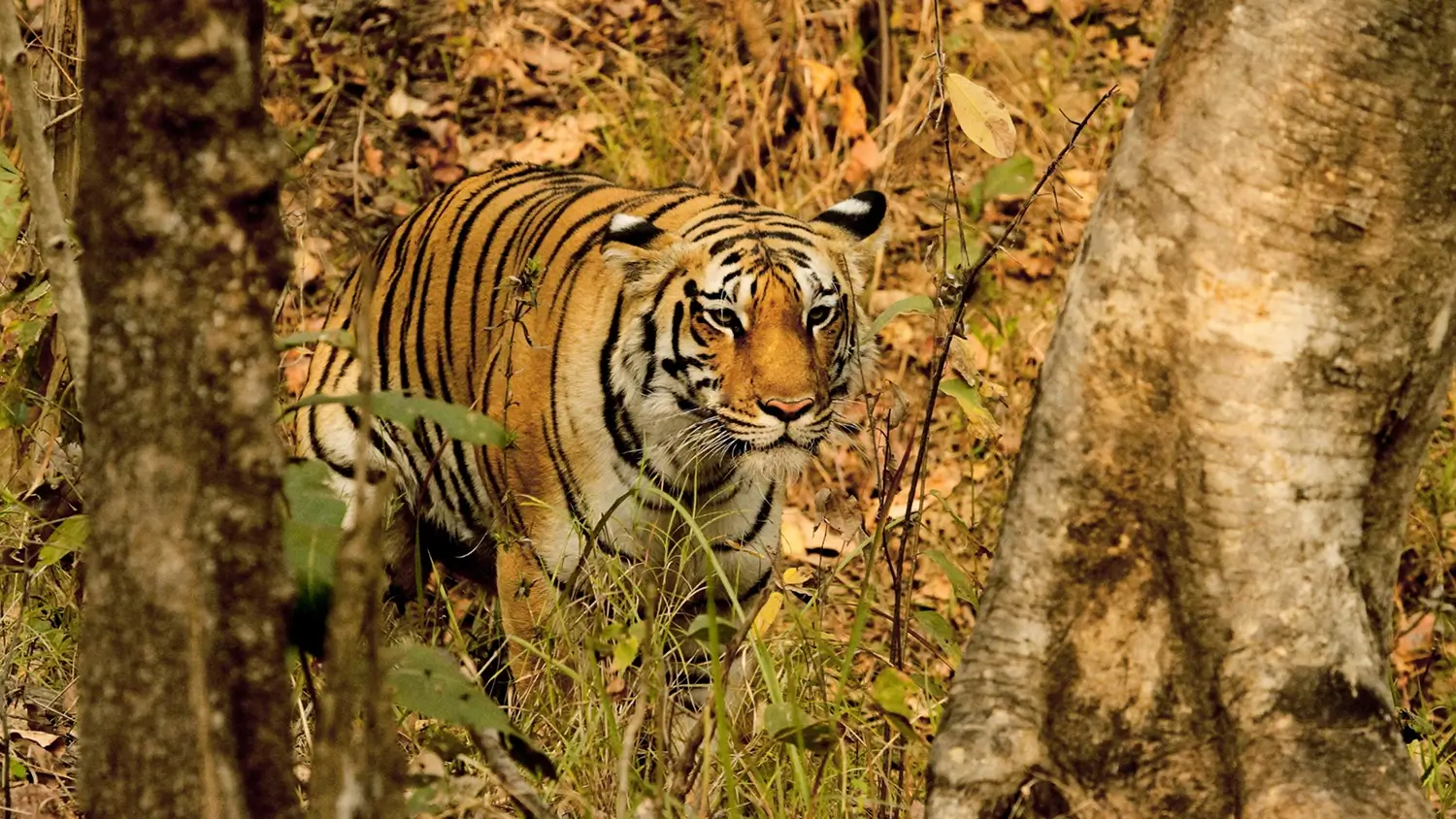
View this Tour

View this Tour
View this Tour
View this Tour
View this Tour
View this Tour
View this Tour
View this Tour
View this Tour
The best time to visit Pench Tiger Reserve is from November to February when the weather is pleasant and wildlife spotting is easier. Summer months (March to May) are hotter, but animals gather near water sources, increasing chances of sightings.
There are no accommodation options inside Pench National Park. However, tourists can stay at lodges and resorts located near the park boundaries.
Pench National Park is known for its rich wildlife, including:
Elephant safaris are not available in Pench National Park. Jeep safaris are the primary way to explore the park.
 +91-9212553107
 What'sApp


 Packages
 +91-9212553107