Wildlife in Madhya Pradesh

Wildlife in Madhya Pradesh

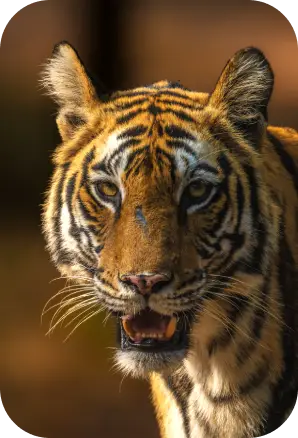
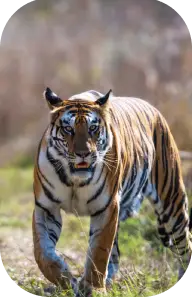
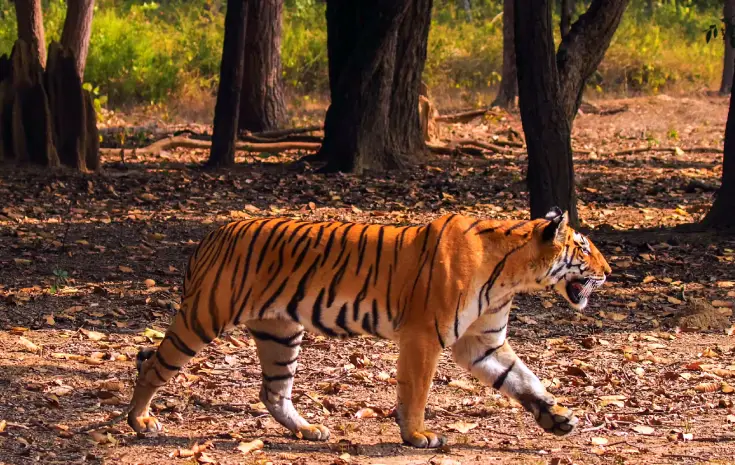
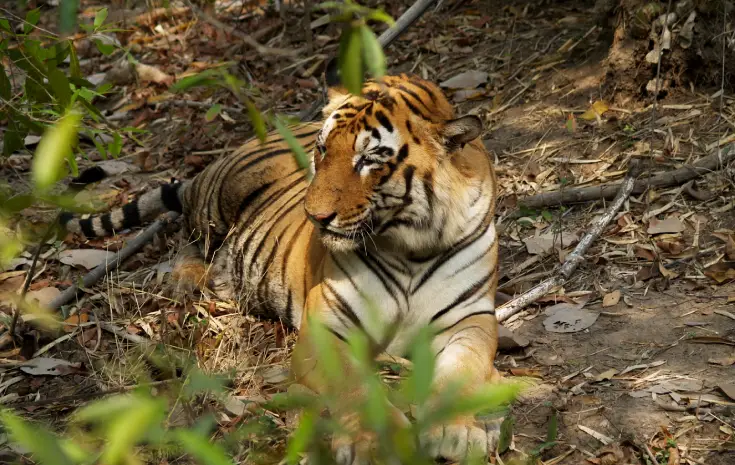
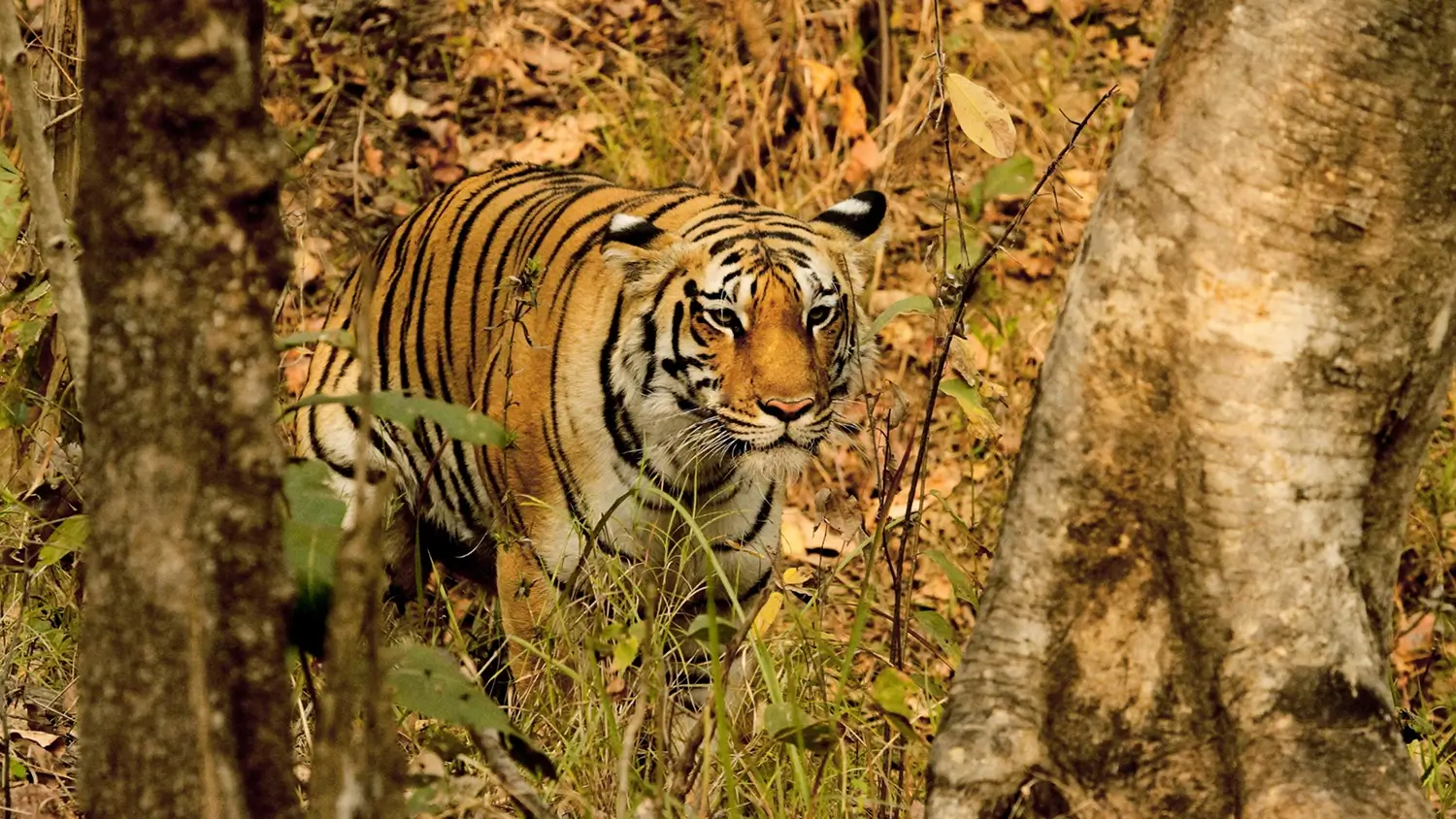
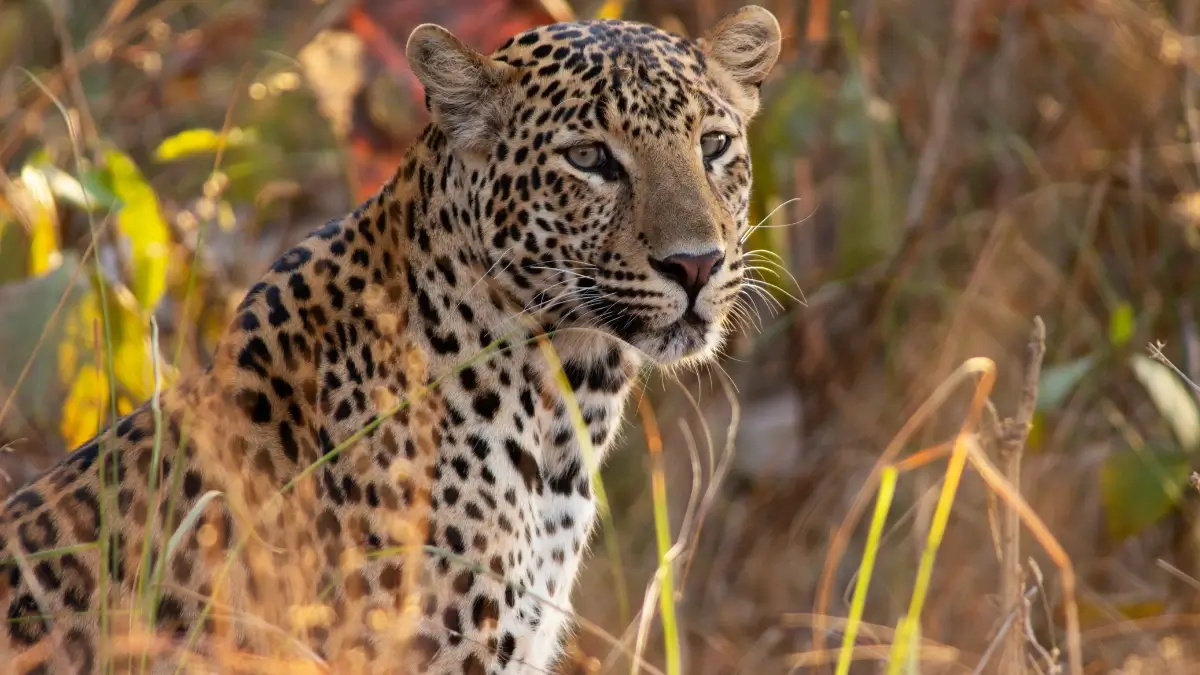
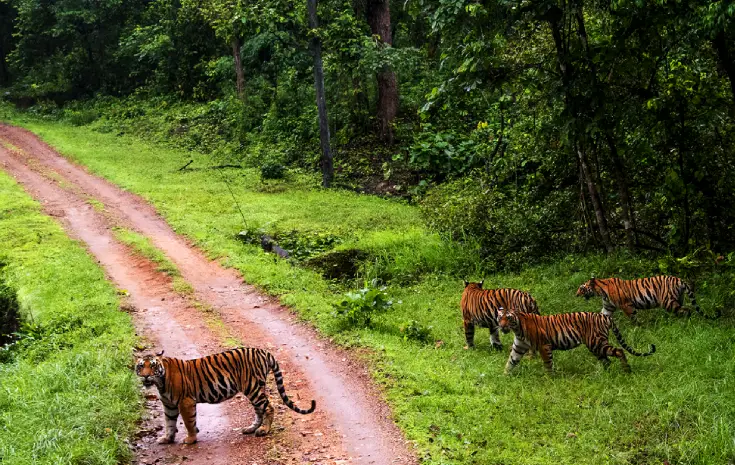
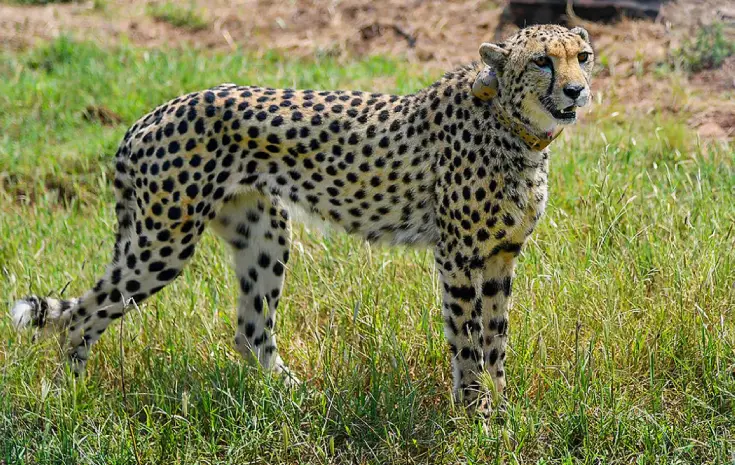
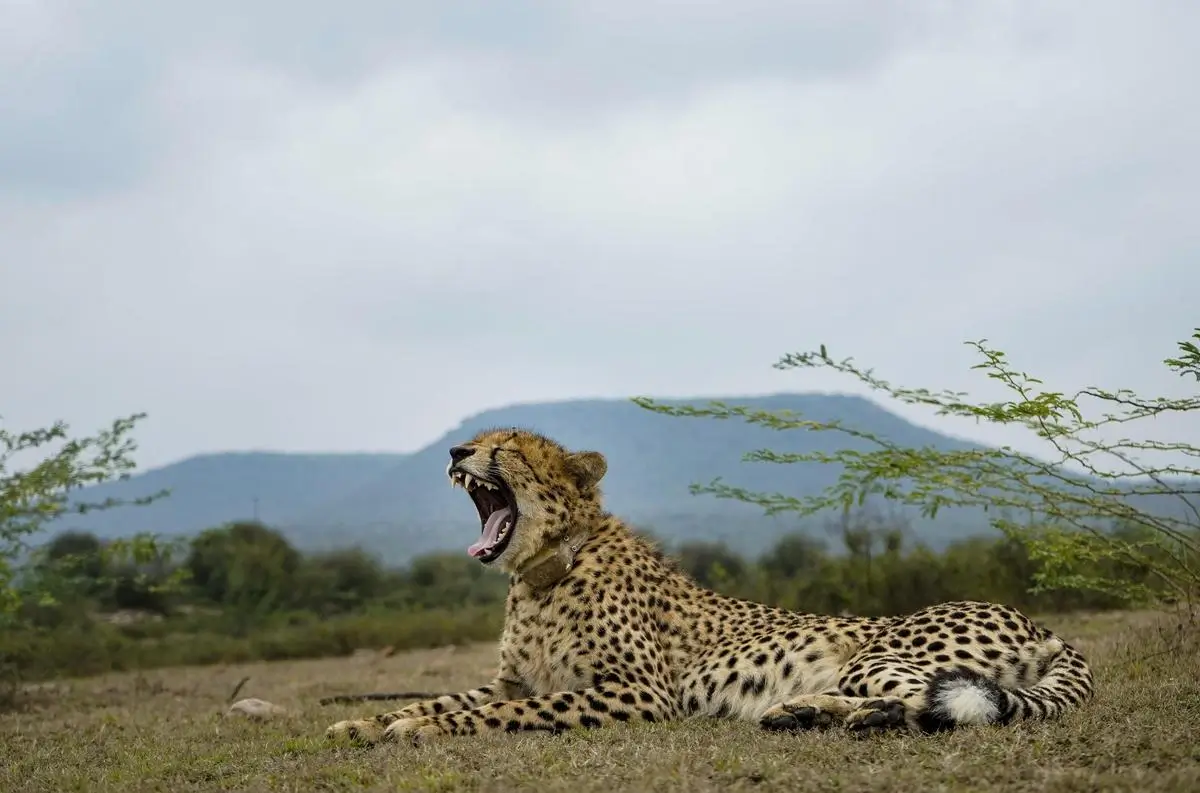
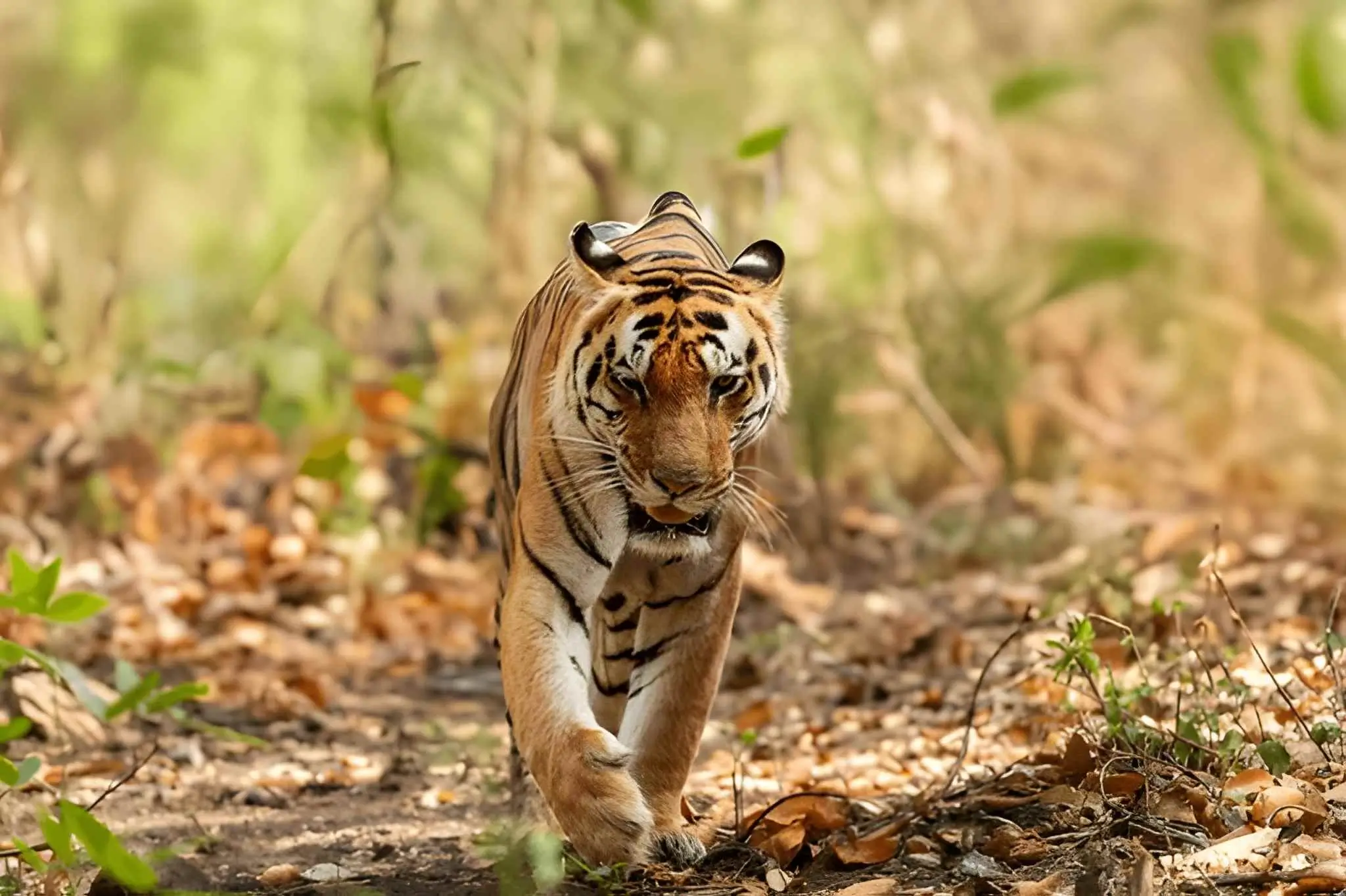
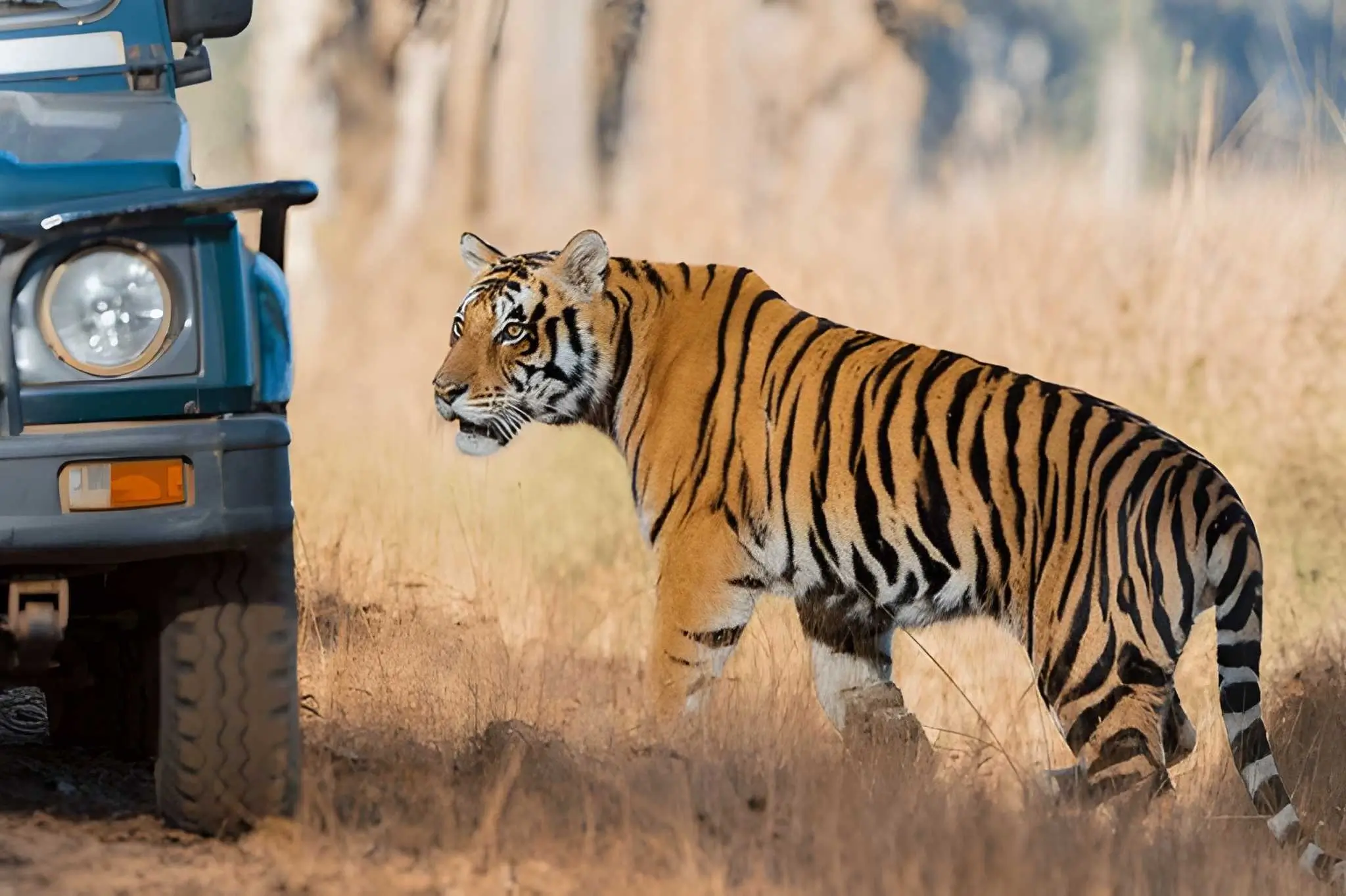
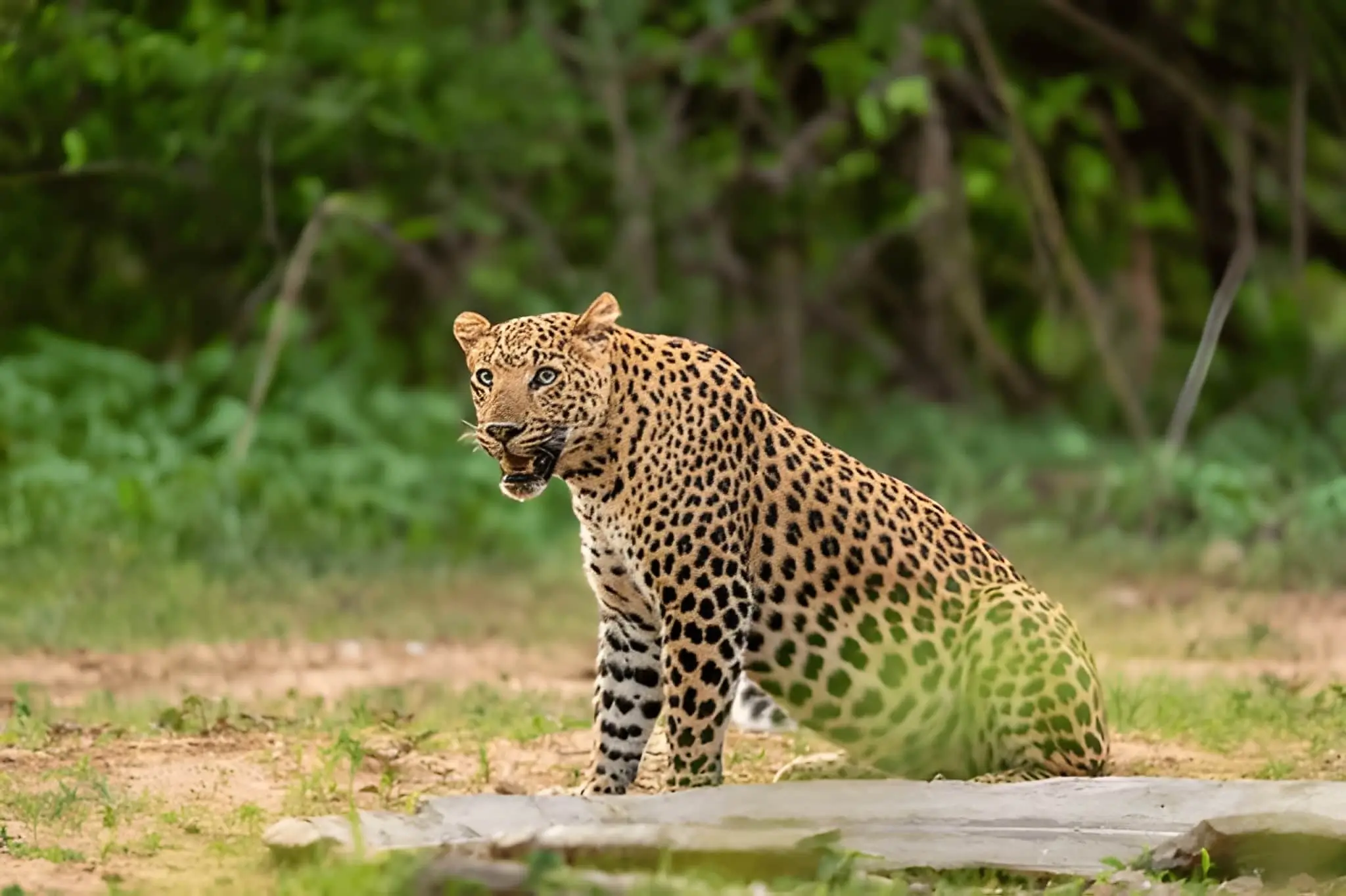
Madhya Pradesh, with its dense forests, flowing rivers, and high hills is a preferred spot for wildlife tourism in India, helping wildlife enthusiasts and researchers to observe animals and birds of the wild in their natural habitat. Also known as the 'Tiger State of India', Madhya Pradesh houses the majority of India's tigers. With a rich wildlife containing Bengal tigers, leopards, hyenas, foxes, wolves, and even endangered species of crocodiles, the state has become an increasingly popular tourist attraction. In addition to this, Madhya Pradesh is now home to the South African Cheetahs, relocated from the far country of Namibia at the Kuno National Park!

With national parks offering a chance to observe the wilderness through jungle safaris, opting for a wildlife tour has become quite feasible.

National Parks in Madhya Pradesh

Aimed at preserving the flora and fauna of the region, Madhya Pradesh established several national parks that are spread across the state. These national parks not only conserve and protect wildlife and plants but are also a popular tourist attraction of the state where visitors can spot wild animals in their natural habitat. Providing a range of terrains, national parks in Madhya Pradesh offer a suitable environment for plants and animals to flourish. Kanha National Park, Pench National Park, Panna National Park, Bandhavgarh National Park, Kuno National Park, and Satpura National Park are the major national parks of Madhya Pradesh.

Tiger Reserves in Madhya Pradesh

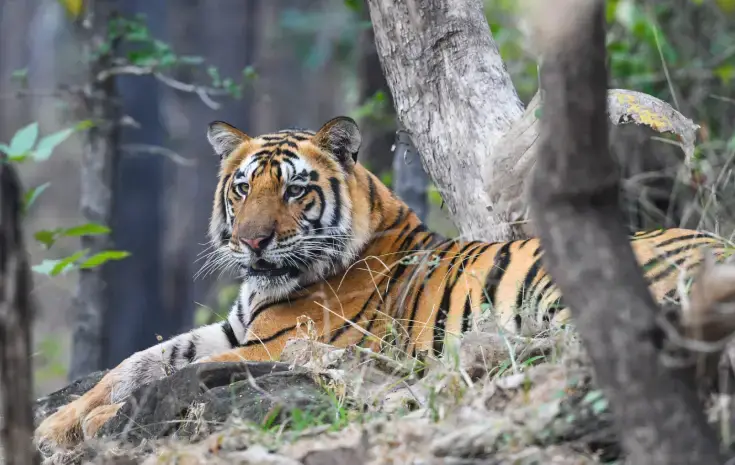
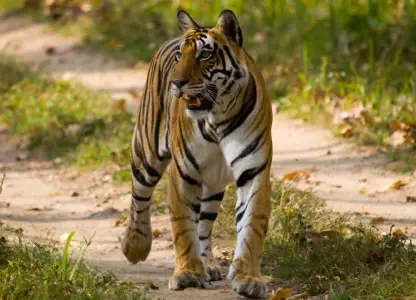
Approximately 70% of all tigers worldwide are found in India, home of the Bengal Tigers, with Madhya Pradesh housing a majority of them. According to a recent report published by the National Tiger Conservation Authority estimating the population of the big cat, Madhya Pradesh was found to have about 785 of the projected 3167 tigers. The state is home to Kanha National Park which was among the first nine tiger reserves of the country. With an abundance of their population, tigers can be spotted at the state's 7 national parks with the help of jungle safaris made available by the authorities.

Wildlife Sanctuaries in Madhya Pradesh

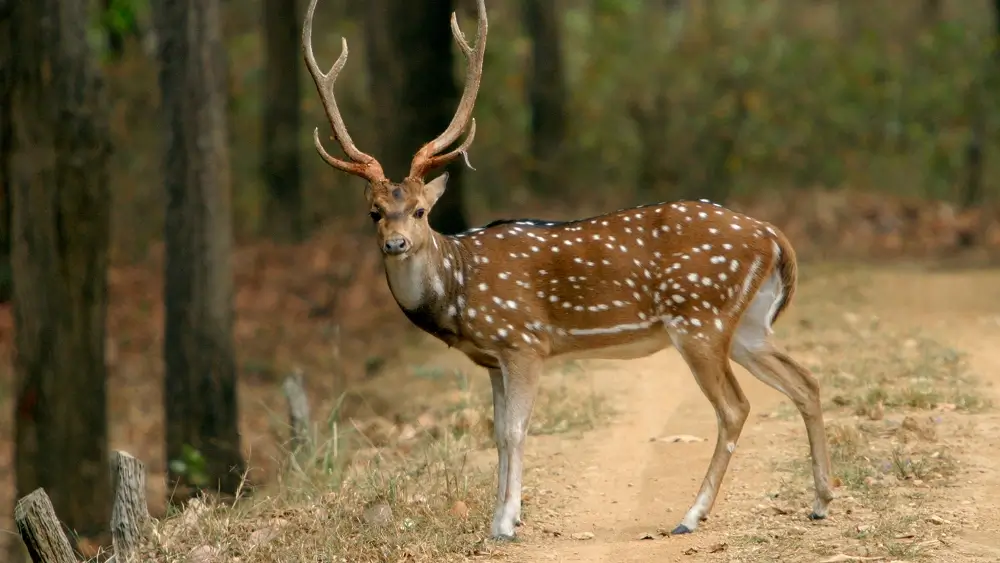
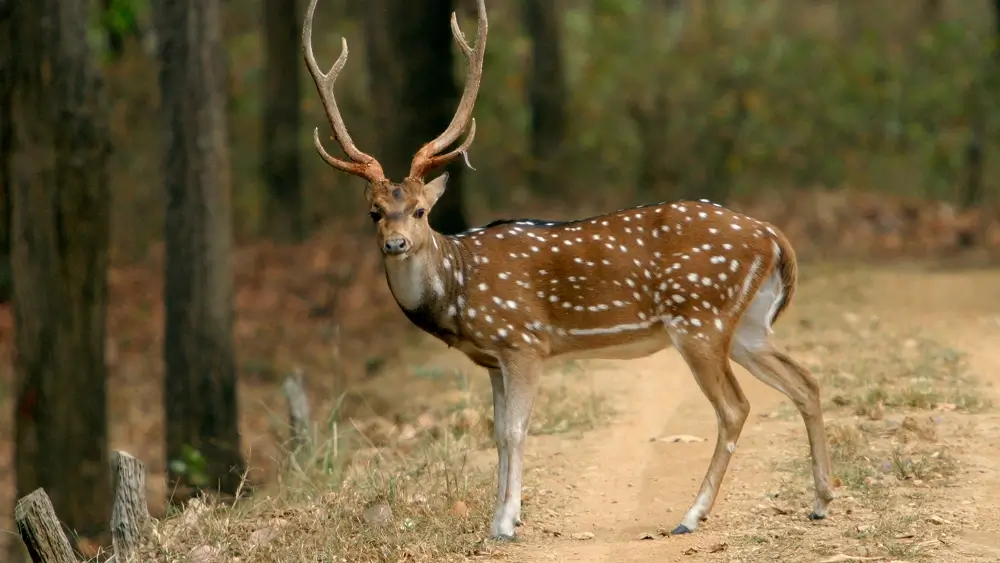
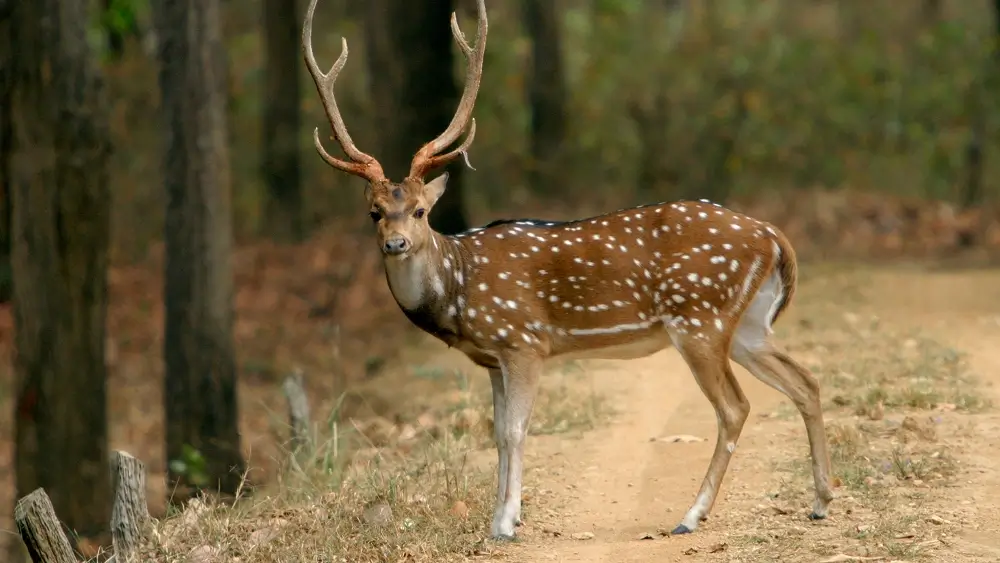
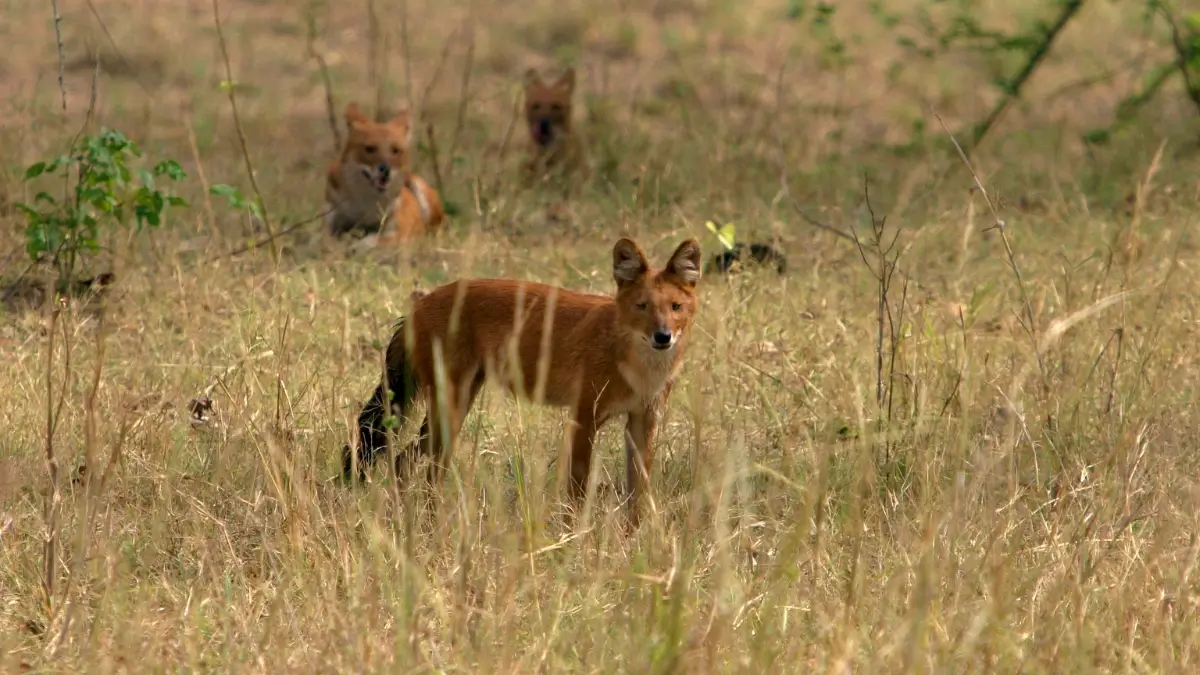
With a good portion of its land being covered with forests, Madhya Pradesh finds itself as a major biodiversity hotspot in the country, housing a good population of wild animals, and birds. Madhya Pradesh has a total of 25 wildlife sanctuaries spread all over and are aimed at protecting animals like Bengal tigers, leopards, wild dogs, Barasingha, sloth bears, and different species of deer, antelopes, and crocodiles. Some of the wildlife sanctuaries that are popular among wildlife enthusiasts include the Bori Wildlife Sanctuary, Pachmarhi Wildlife Sanctuary, Kuno Palpur Wildlife Sanctuary, Ratapani Wildlife Sanctuary, and National Chambal Sanctuary.

Flora in Madhya Pradesh's Forest

With one-third of the state's land covered in dense forests, Madhya Pradesh has an abundance of flora that include a range of trees, shrubs, flowering plants, and numerous medicinal plants endemic to the state. Plenty of national parks, wildlife sanctuaries, and biosphere reserves also aid to maintain the beautiful flora species of the state with the state's forests majorly falling into the categories of dry mixed deciduous forests, and moist mixed deciduous forests, giving rise to various types of plants. Some of the commonly found floras that can be seen throughout Madhya Pradesh include trees of Sal, Bamboo, Teak, Tendu, Mahua, and Axlewood.

Wildlife in Madhya Pradesh
START
ITINERARY
Popular National Parks & Tiger Reserve MP

Here is a list of popular wildlife destinations to explore in Madhya Pradesh.

Kanha National Park Explore More

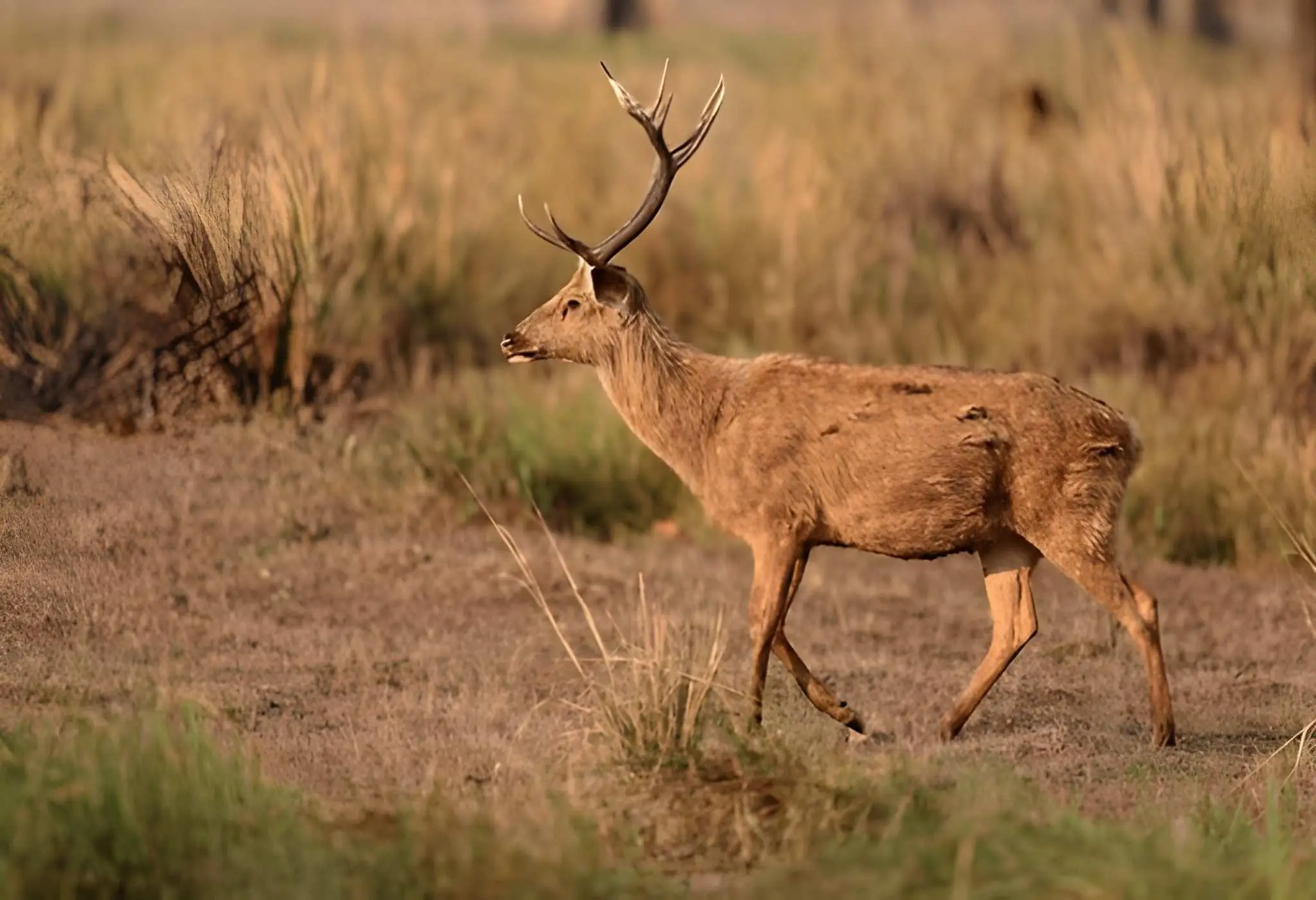
The biggest national park of Madhya Pradesh, Kanha National Park covers an area of 940 sq. km and houses a sizable population of the Bengal tigers, upholding itself as an important tiger reserve of the country as well. The inspiration for Rudyard Kipiling’s ‘The Jungle Book’, the park has managed to revive its population of the Swamp Deer (Barasingha) from near extinction.

Kanha National Park
Kanha National Park
Panna National Park Explore More

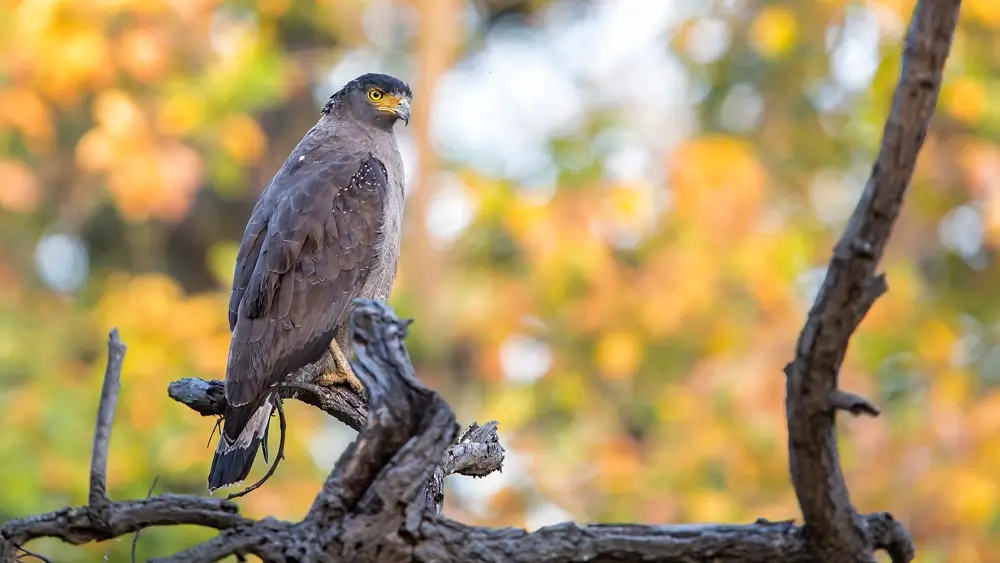
Panna National Park is most known for its existence of 7 different species of vultures that it contains within, out of the 9 total species that exist in the country. The national park, apart from being a wildlife haven, also has numerous plateaus, gorges, and waterfalls that make it an exciting place to explore.

Panna National Park
Panna National Park
Pench National Park Explore More

Sharing the land of the two states of Maharashtra and Madhya Pradesh, Pench National Park is also an important tiger reserve of the country. Even with 54 tiger reserves in the country, Pench has managed to be among the top 12 when it comes to a healthy population of the Bengal tigers and has been appreciated for their efficient management.

Pench National Park
Pench National Park
Bandhavgarh National Park Explore More

Blessed with abundant vegetation of Sal, and Bamboos, Bandhavgarh National Park finds itself among the top national parks in the country. Housing the population of the Bengal tigers, the park also contains other wildlife such as leopards, Indian wild dogs, Indian fox, sloth bears, and wild elephants, among many others that can be explored by taking a jungle safari through its forests.

Bandhavgarh National Park
Kuno National Park Explore More

Named after the Kuno River flowing through it, Kuno National Park is situated among the Vindhyachal Ranges of Madhya Pradesh, and is the only place in India that houses the population of the Southern African Cheetahs, introduced in the country as part of the Cheetah Project in 2022, being relocated from Namibia, South Africa.

Kuno National Park
Kuno National Park
Satpura National Park Explore More

Located in the Satpura Range of Madhya Pradesh, Satpura National Park is an important asset for the state. The national park has a good number of tigers walking through its forests along with other wildlife such as the Giant Squirrel, Leopard, Indian Bison, Wild Boar, and Sloth Bear, etc. Apart from these, the park also has endangered species of birds, reptiles and rare plants native to the area.

Satpura National Park

Best Time to Visit Madhya Pradesh's
National Parks for a Wildlife Tour

National Parks in Madhya Pradesh remain open between the months of October to June and are closed during the monsoon season.

Therefore, the best time to visit Madhya Pradesh for a wildlife tour is between the months of October to March. During these months, the weather is pleasant making it easier to travel.

Between the months of March to June, it gets hot in the state of Madhya Pradesh which causes the vegetation to dry, allowing for better sightings of the animals in the national parks that can be seen near the water bodies in search of water.

Best Time to Visit India National Parks
Popular Packages

Create Unforgettable Memories with Our Jungle Safaris!

View All
Faq's

Frequently Asked Questions

  • What makes Madhya Pradesh a popular destination for wildlife tourism?

    Madhya Pradesh has extensive forest cover and a rich variety of wildlife. Many forests are protected as national parks, tiger reserves, and sanctuaries, attracting tourists who want to experience wildlife in its natural habitat.

  • How many national parks and wildlife sanctuaries are there in Madhya Pradesh?

    Madhya Pradesh has 11 national parks and around 25 wildlife sanctuaries.

  • What are the major wildlife sanctuaries in Madhya Pradesh?

    Major wildlife sanctuaries include:

    • Bori Wildlife Sanctuary
    • Pachmarhi Wildlife Sanctuary
    • Kuno Palpur Wildlife Sanctuary
    • Ratapani Wildlife Sanctuary
    • National Chambal Sanctuary
  • Which national parks in Madhya Pradesh are famous for tiger sightings?

    Popular parks for tiger sightings include:

    • Kanha National Park
    • Pench National Park
    • Panna National Park
    • Bandhavgarh National Park
    • Satpura National Park
  • Which is the best season for wildlife tourism in Madhya Pradesh?

    The best time for wildlife tourism is from October to March when the weather is pleasant and national parks are open after the monsoon season.

  • What types of safaris are available for tourists in Madhya Pradesh's wildlife reserves?

    Common safari options include:

    • Jeep Safaris
    • Canter Safaris
  • What are the key attractions for tourists interested in wildlife in Madhya Pradesh?

    Wildlife attractions include:

    • Tiger
    • Indian Bison
    • Leopard
    • Wolf
    • Cheetah
    • Hyena
    • Bengal fox
    • Wild dog
    • Sloth bear
    • Caracal
    • Mugger crocodile
    • Gharial
    • Nilgai
    • Chital
    • Sambar deer
    • Jackal
  • Which national parks in Madhya Pradesh are best for bird watching opportunities?

    Top parks for birdwatching include:

    • Kanha National Park
    • Bandhavgarh National Park
    • Panna National Park
    • Pench National Park
    • Satpura National Park
    • Kuno National Park
More Information About MP's National
Parks & Wildlife Sanctuaries

As per the recent data shared by Wildlife & Protected Areas Management, the present condition and structure of Madhya Pradesh's wildlife are as follows:

Here is an updated list of National Parks and Tiger Reserves in Madhya Pradesh along with their year of establishment and total forest area:
S. No National Park Name Year of Creation Area(km2)
1 Bandhavgarh Tiger Reserve 1968 448.842
2 Dinosaur Fossils 2011 0.897
3 Fossil National Park 1983 0.27
4 Pench Tiger Reserve 1975 292.857
5 Kanha Tiger Reserve 1955 941.793
6 Kuno National Park 2018 748.761
7 Madhav National Park 1959 375.23
8 Panna Tiger Reserve 1981 542.66
9 Sanjay-Dubri Tiger Reserve 1981 464.643
10 Satpura Tiger Reserve 1981 528.729
11 Van Vihar National Park 1979 4.452
Here is an updated list of Wildlife Sanctuaries in Madhya Pradesh along with their year of establishment and total forest area:
S. No Wildlife Sanctuary Name Year of Creation Area (km2)
  Bagdara 1978 478.00
2 Bori 1977 485.715
3 Gandhi Sagar 1981 368.62
4 Ghatigaon 1981 510.64
5 Karera 1981 202.21
6 Ken Gharial 1981 45.2
7 Kheoni 1982 134.778
8 Narsighgarh 1978 57.19
9 National Chambal 1978 435
10 Nouradehi 1984 1197.04
11 Orcha 1994 44.914
12 Pachmarhi 1977 491.632
13 Gangau 1979 78.53
14 Panpatha 1983 245.842
15 Pench Moghli 1975 118.473
16 Phen 1983 110.704
17 Ralamandal 1989 2.345
18 Ratapani 1978 910.638
19 Sailana 1983 12.965
20 Sanjay Dubari 1975 347.938
21 Sardarpur 1983 348.121
22 Singhori 1976 312.036
23 Son Gharial 1981 83.684
24 Veerangana Durgavati 1997 23.973