Satpura Tiger Reserve is the ideal gateway for those who want to experience the wild and natural wonders of the Satpura mountain range—a destination filled with thrilling wildlife adventures.
The beautiful topography and amazing views from the hill is enough to allure the visitors, but Satpura National Park has much more than a simple journey to the forest. The National Park is dotted with deep valleys and gorges of Satpura mountain ranges which makes it unique but the amaze is equally backed by the dense and lush forests filtering the stress of everyday life out of your life completely and soothing your mind. Located in the Tiger state of India - Madhya Pradesh, Satpura is among the most popular tiger reserves with a healthy count of not only tigers but the swift predators, leopards. A wildlife safari in Satpura National Park takes you through beautiful landscapes complemented by the backwaters of river Tawa and Denwai, traversing the open meadows and grazing ground of many ruminants like the large sambar deer and beautiful spotted deer. Your ride may pass through Gaurs, marking their territory or crocodiles lurking through the water bodies. Satpura shows its richness in its avifauna and bird life. It is home to many rare, migratory, and local birds. Bird watchers and wildlife enthusiasts equally praise the beauty of this majestic gem of Madhya Pradesh.
Satpura Tiger Reserve is part of the long wildlife history and its conservation in India. The name Satpura translates to seven mountains in Sanskrit which itself speaks much about the presence. The first consideration of the rich topography of Satpura was mentioned by British captain James Forsyth in the year 1862 in his book "The Highlands of Central India." In the year 1975 Bori Wildlife Sanctuary was established to restrict further depletion of this natural heritage. In the year 1981, Satpura National Park was officially marked in order to make the conservation effects stronger. Further, the amalgamation of the Pachmarhi wildlife sanctuary made the span of this rich biosphere over 2200 sq. km. At the start of the 21st century, the National park was included in the Project Tiger initiative and made a Tiger reserve to dedicate the park to the conservation of the Bengal Tiger, the majestic species of apex predator.
A combination of varied climates, unique soil conditions, and fluctuating altitude gives spectacularly diverse kinds of flora to the Satpura National Park. This national park is among the top National Parks in Madhya Pradesh and shows you different and diverse topography. The flora in Satpura National Park comprises different dominant tree species (including Sal, Teak, Mahua, and Bel), Bamboo, Grasses, Medicinal herbs, Fruit trees, and rare plant species. It has a thick deciduous forest covering more than 90 species of trees. The forest area of the park is mostly mixed type and has other major species of trees like jamun, baheda, palash, mahua, saja, bija, tendu, arjun, semal, salai, kusum, achar, amla, dhaman, lendia, harra and many more.
Satpura National Park is situated between the mountain ranges of Satpura, which has the highest peak in Madhya Pradesh. The park has grasslands integrated with the forest area, which covers the intervening lands of valleys. These forests are backed up by the backwaters of River Tawa in the west and River Denwai in the north which provides enough fertility to thrive the diverse flora in the region.
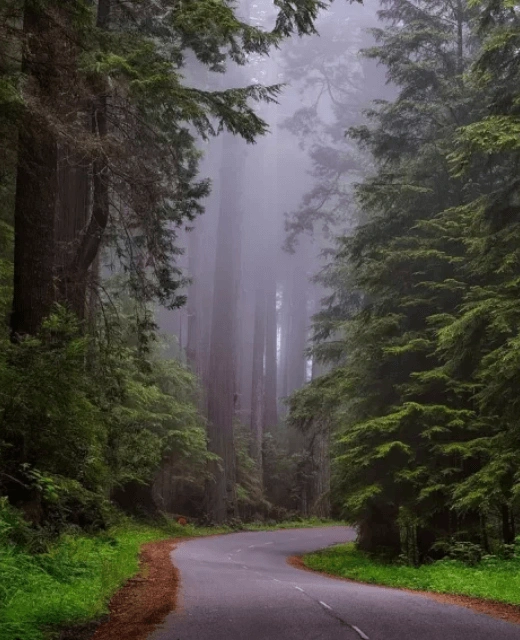
Satpura National Park, located in the Tiger state of India - Madhya Pradesh, is part of the major Geographical plateaux and boasts a unique ecosystem. The park is densely populated with fauna, showcasing the presence of species from the Himalayan region to the Nilgiri region. It is home to the Satpura Tiger Reserve, known for its majestic predators, exotic animal species, endangered fauna, and interesting reptiles.
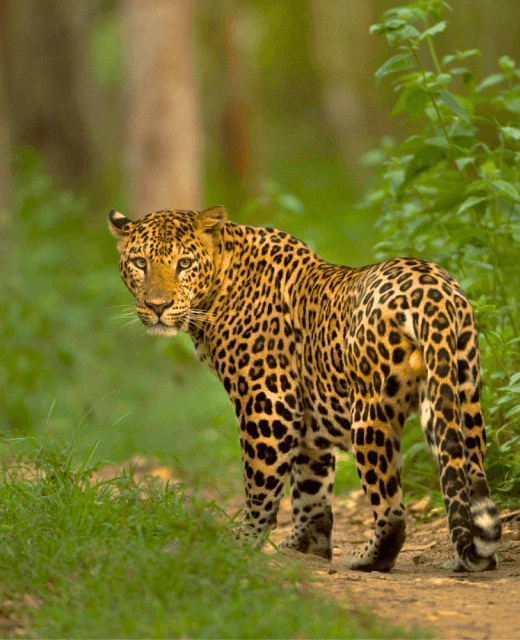
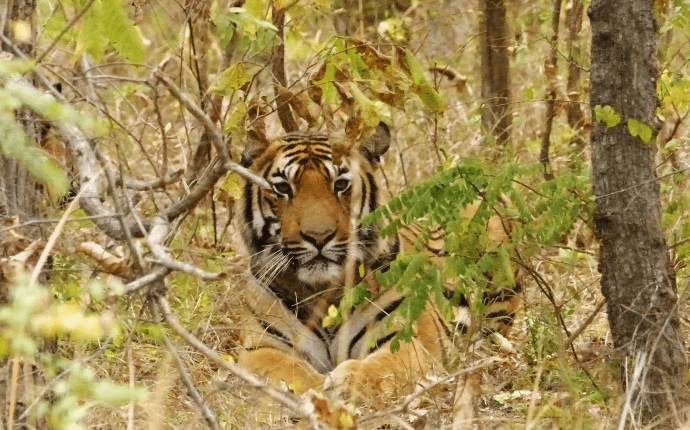
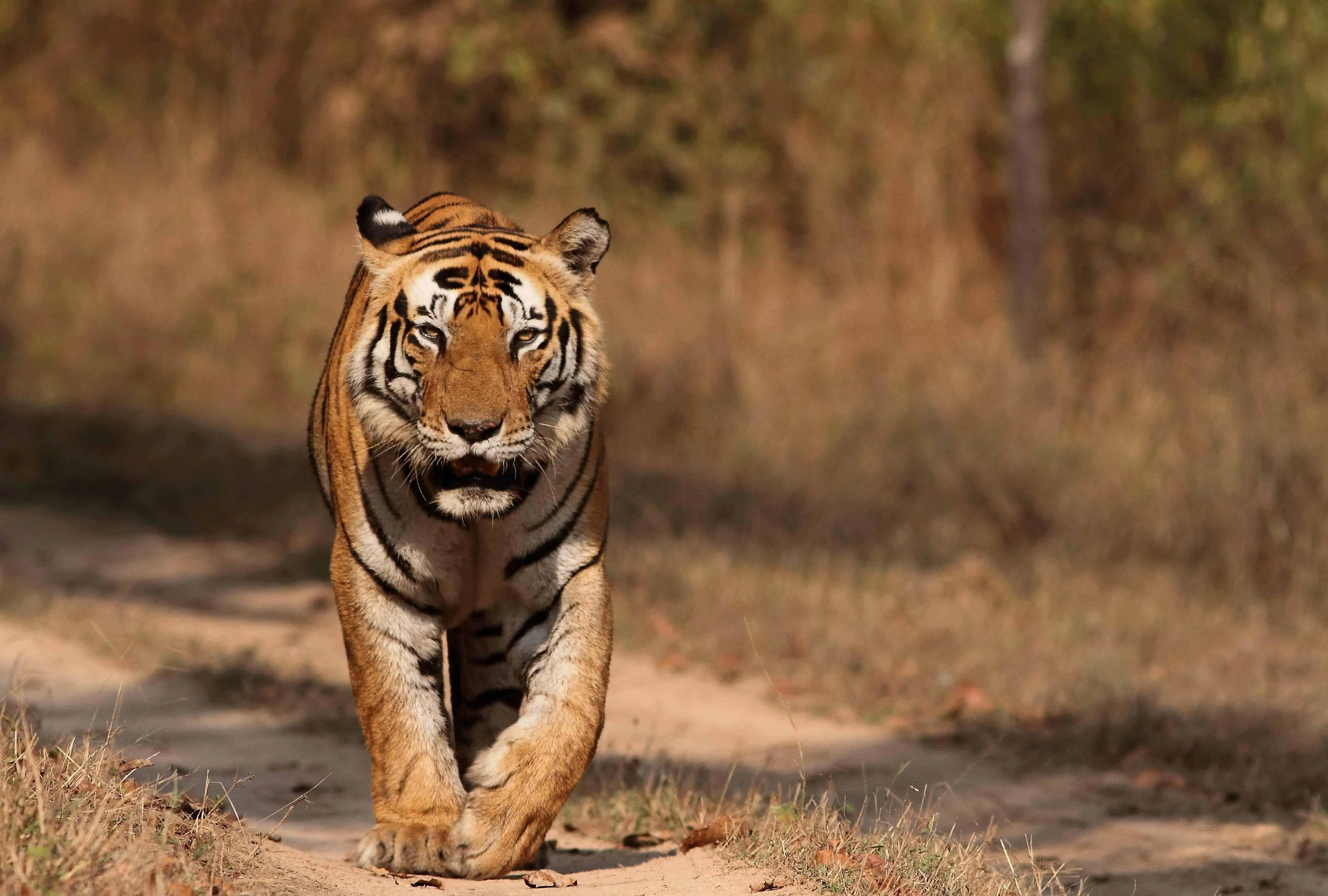
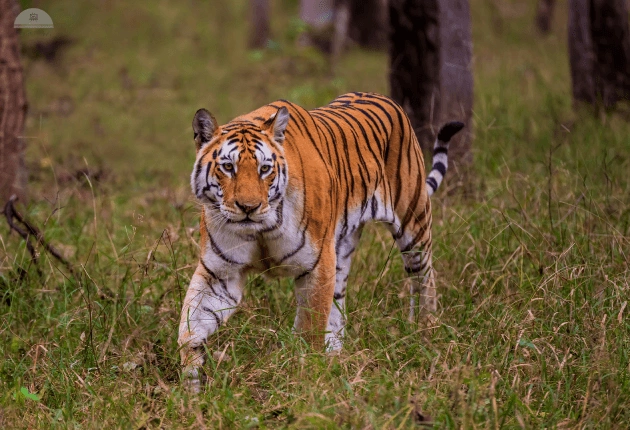
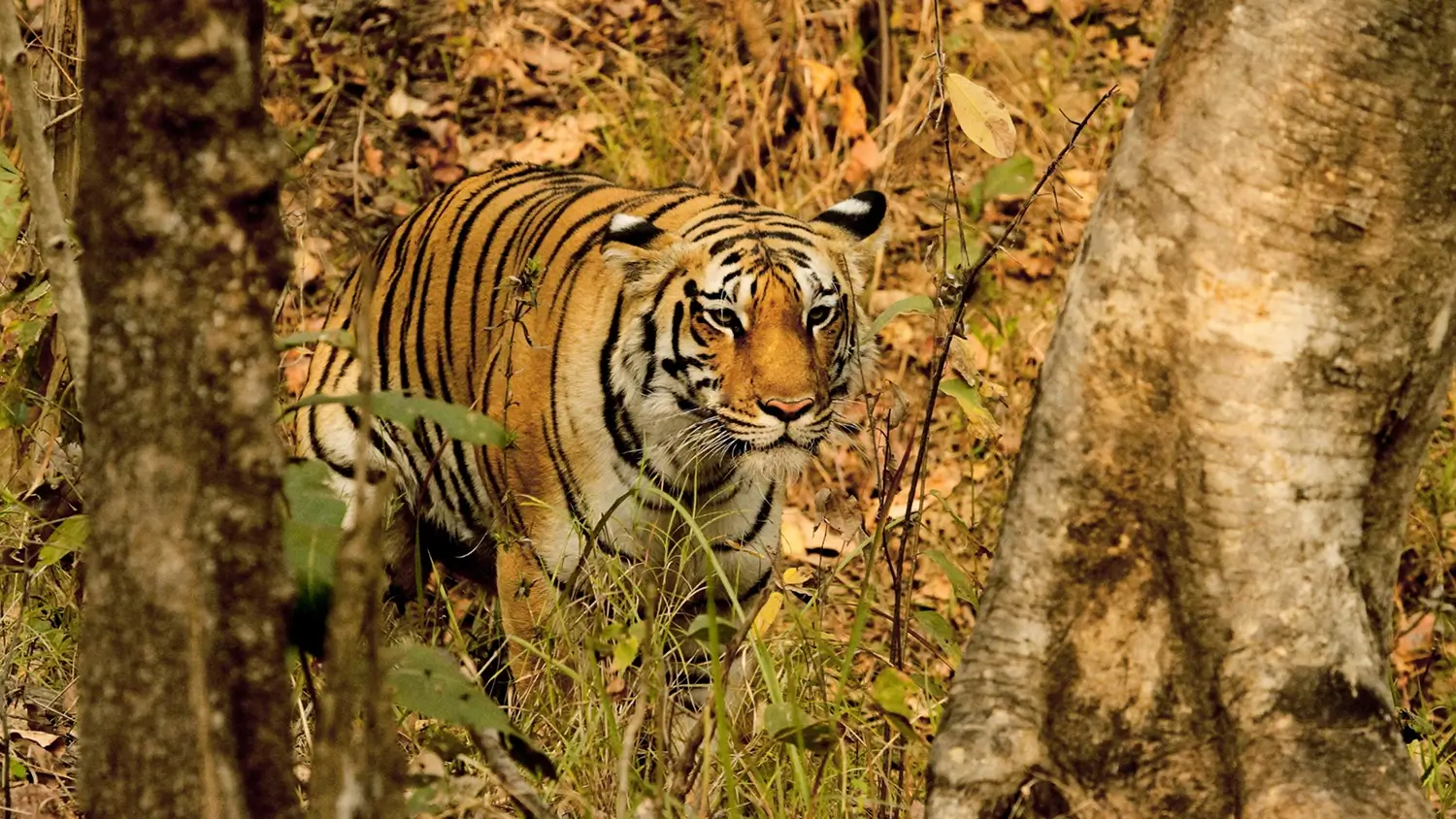
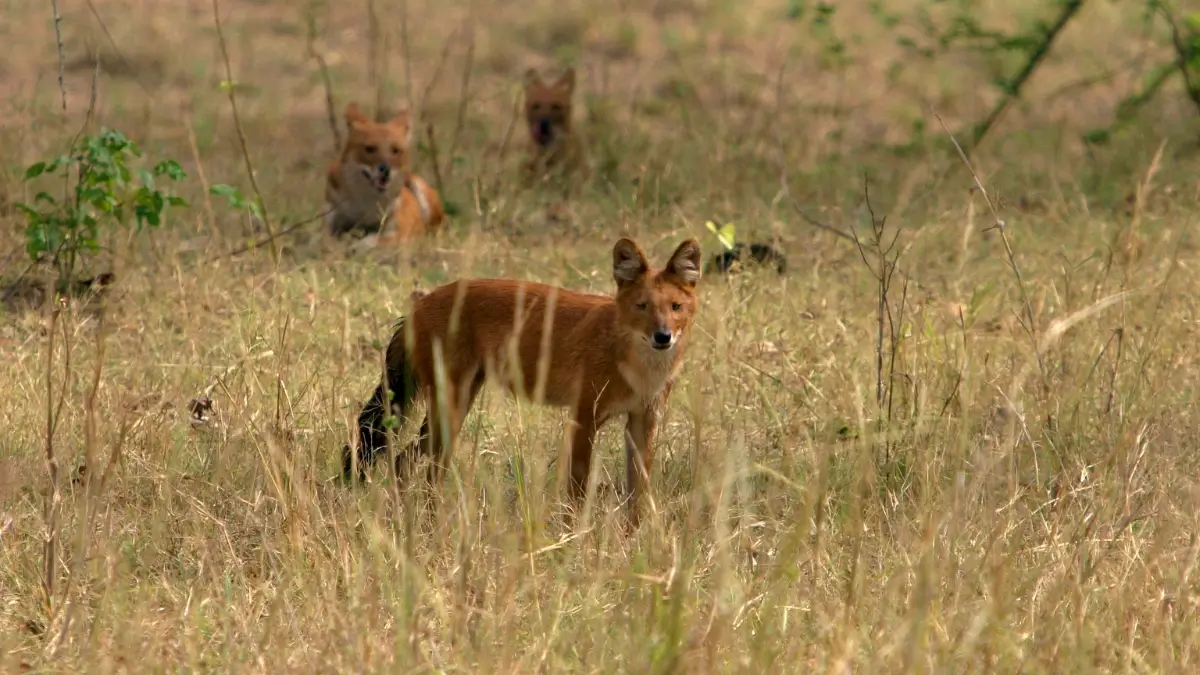
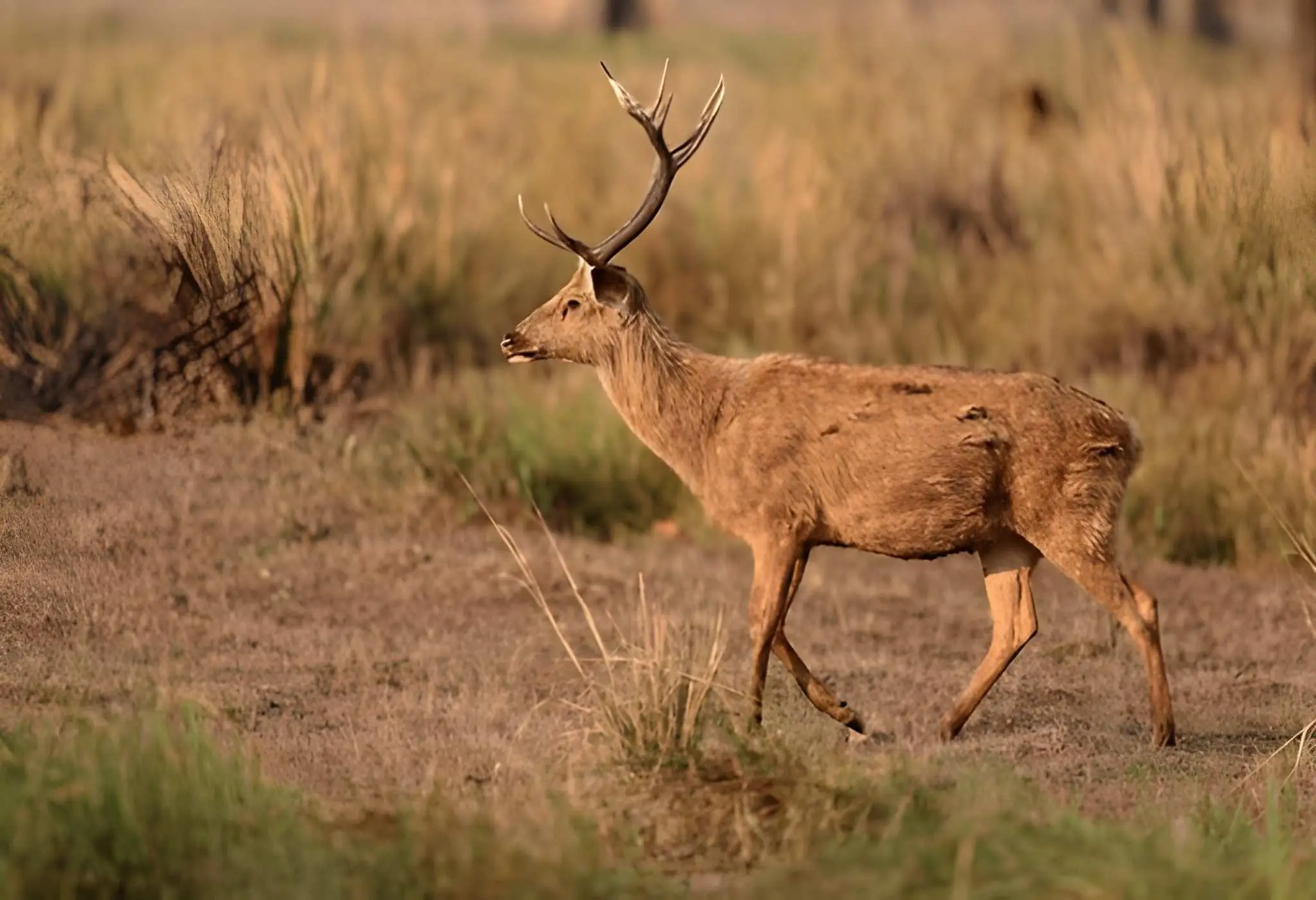
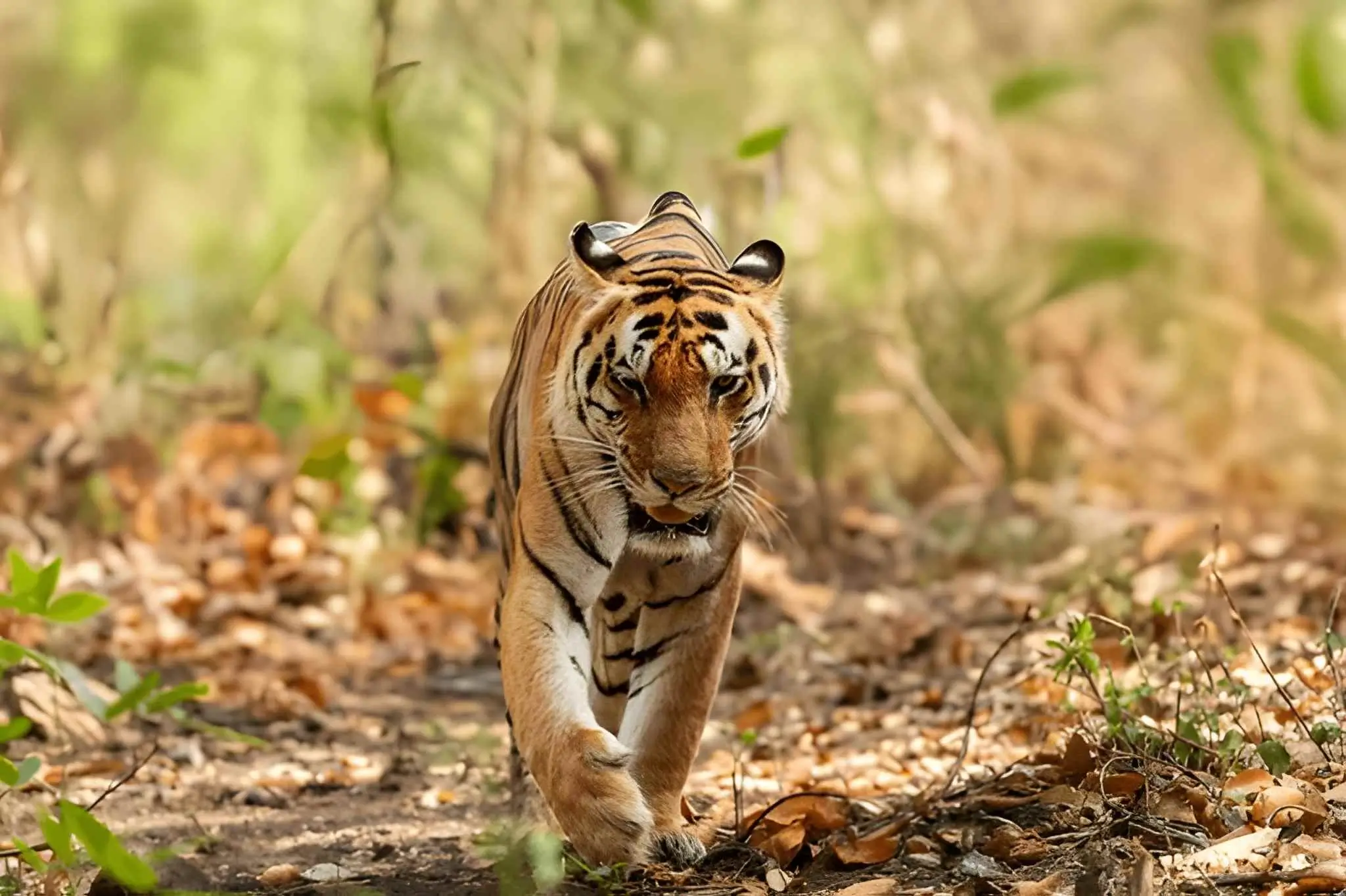
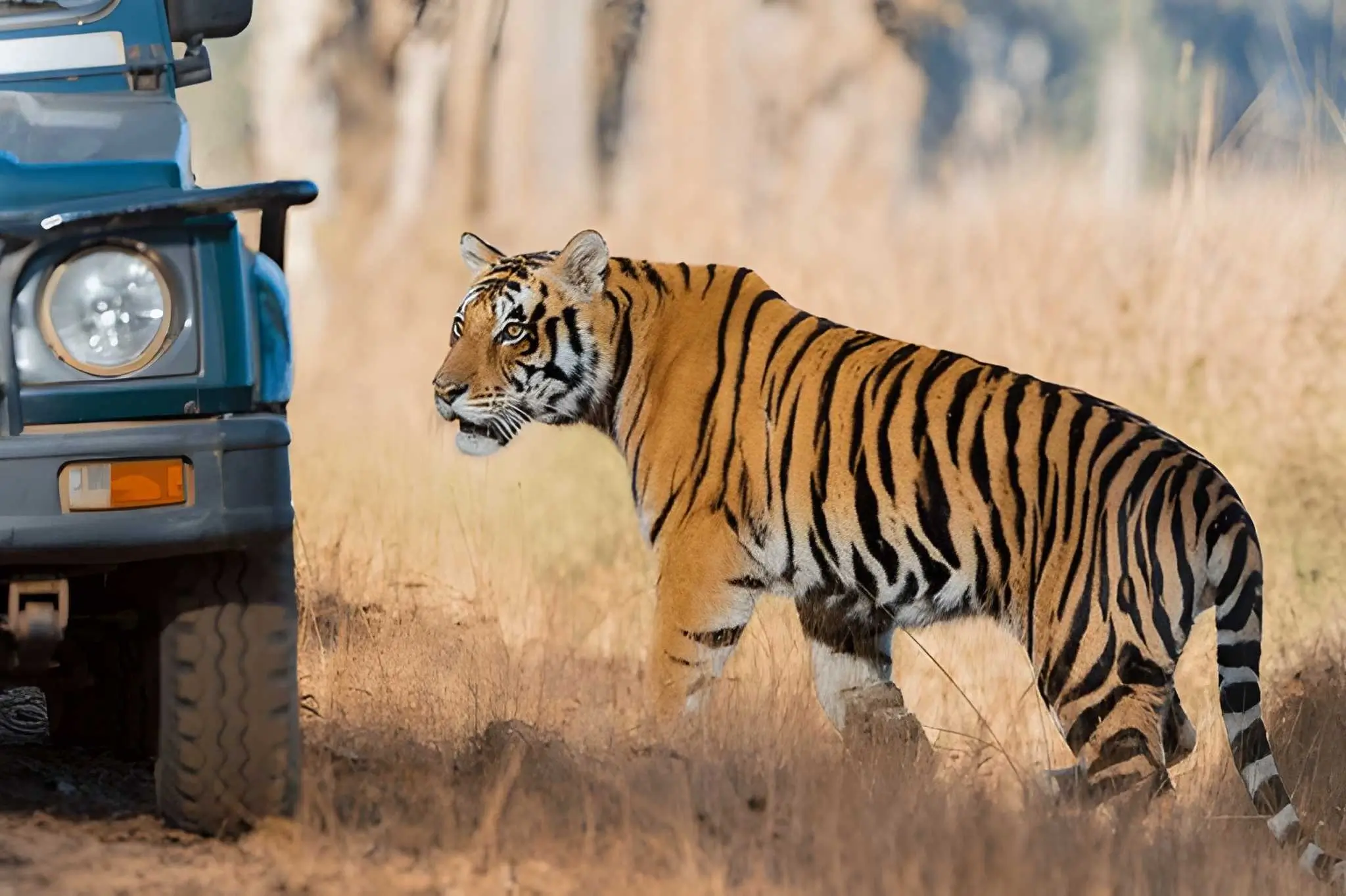
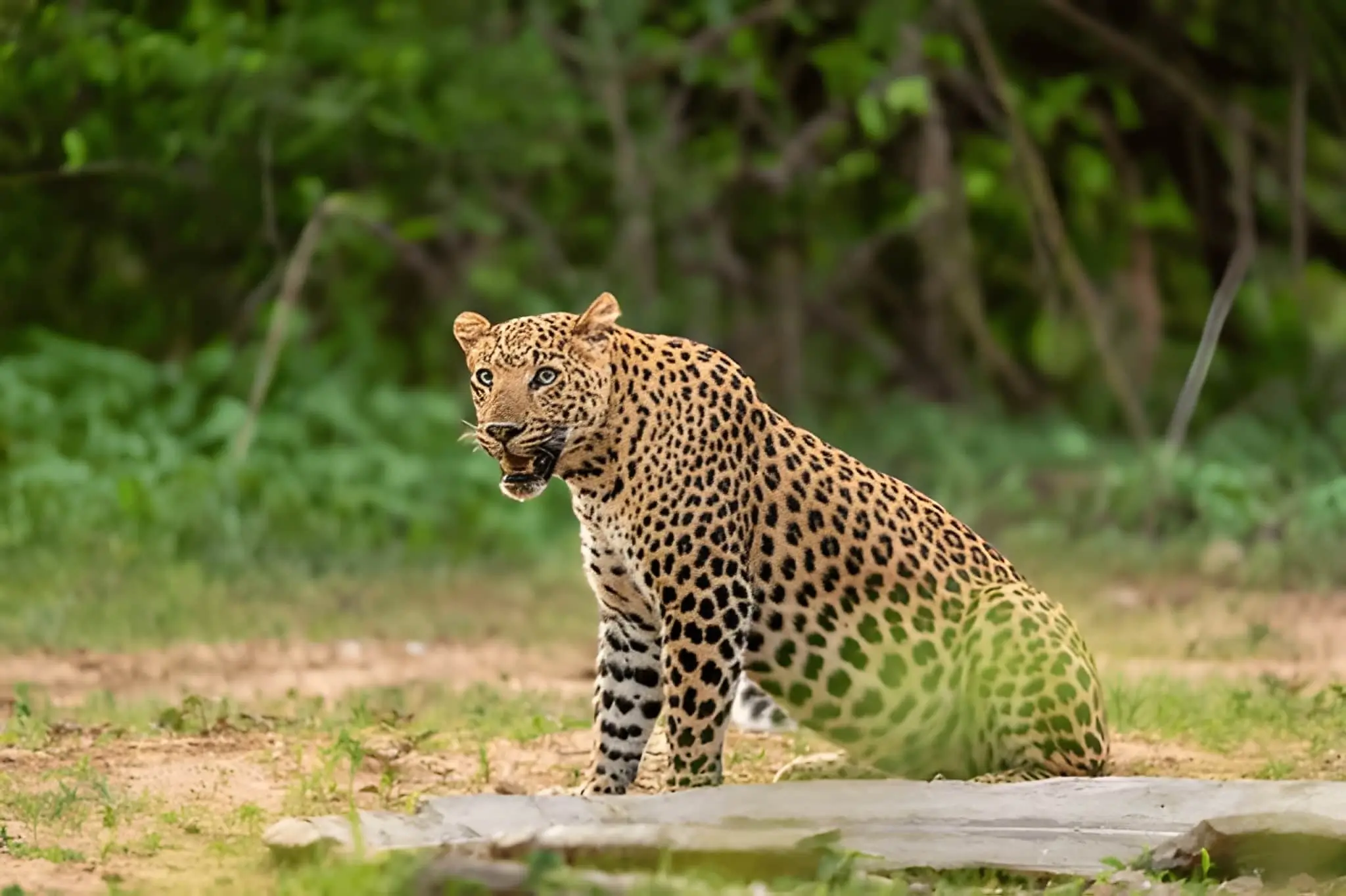
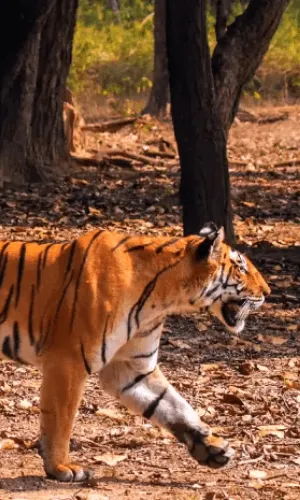
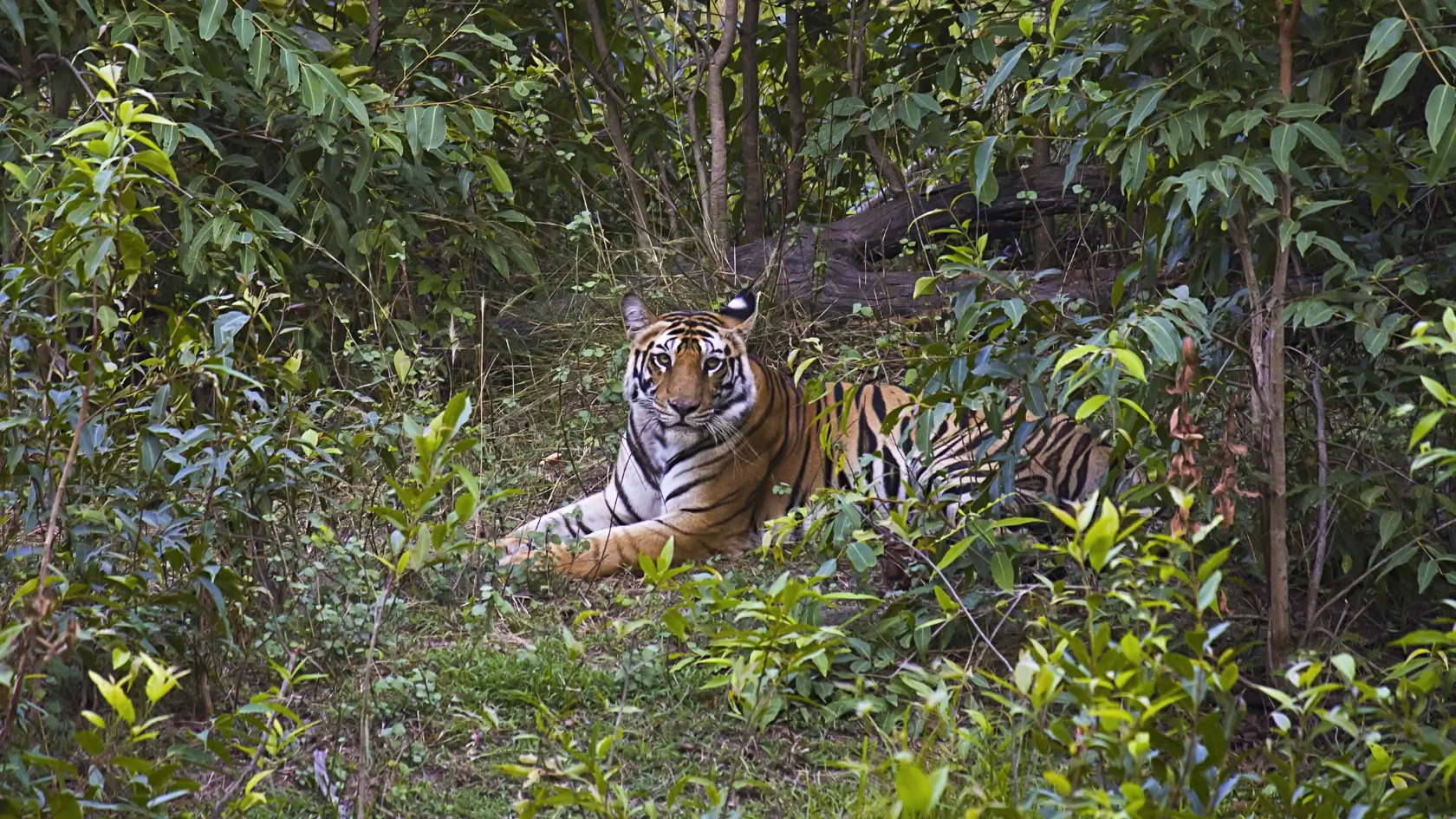
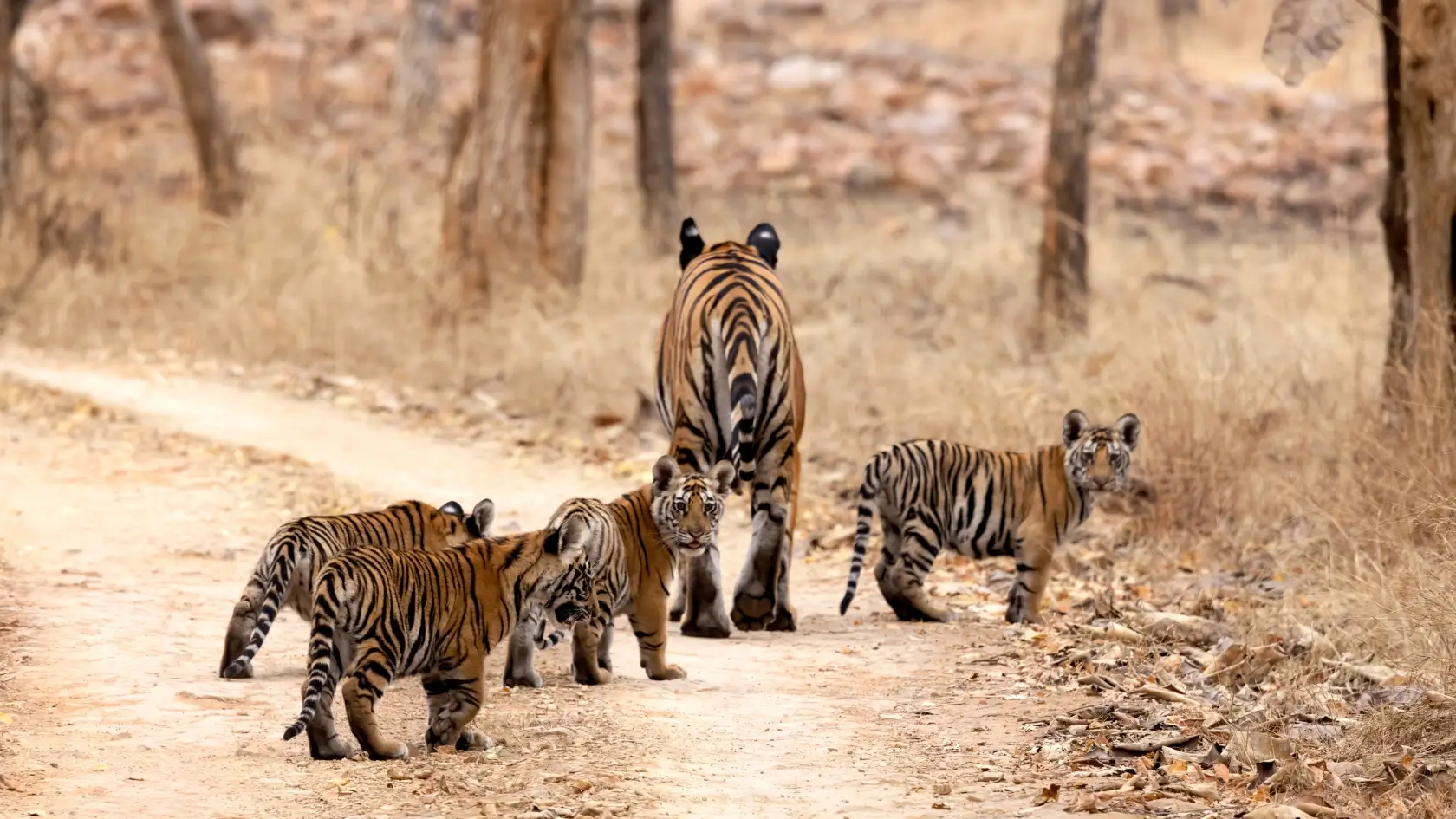
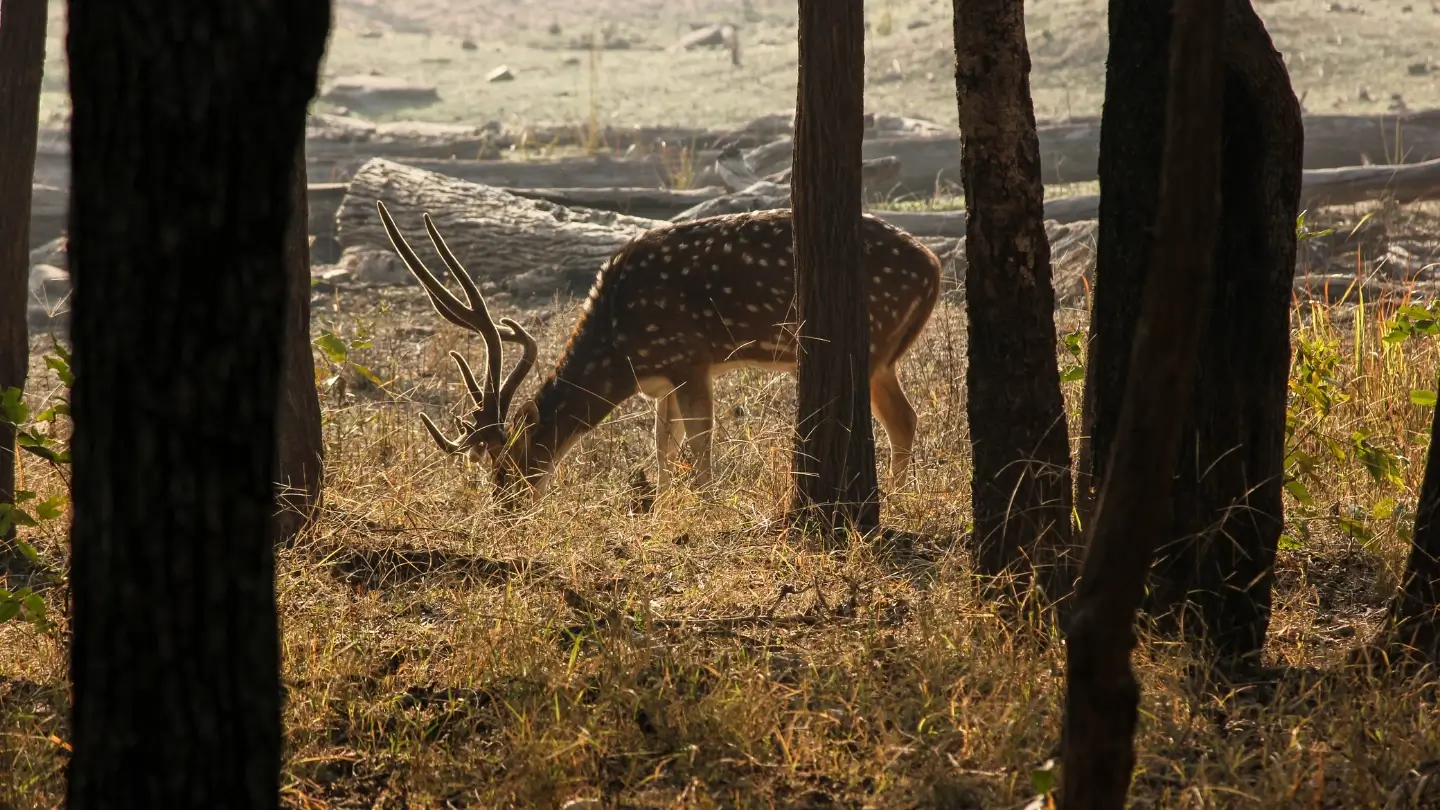
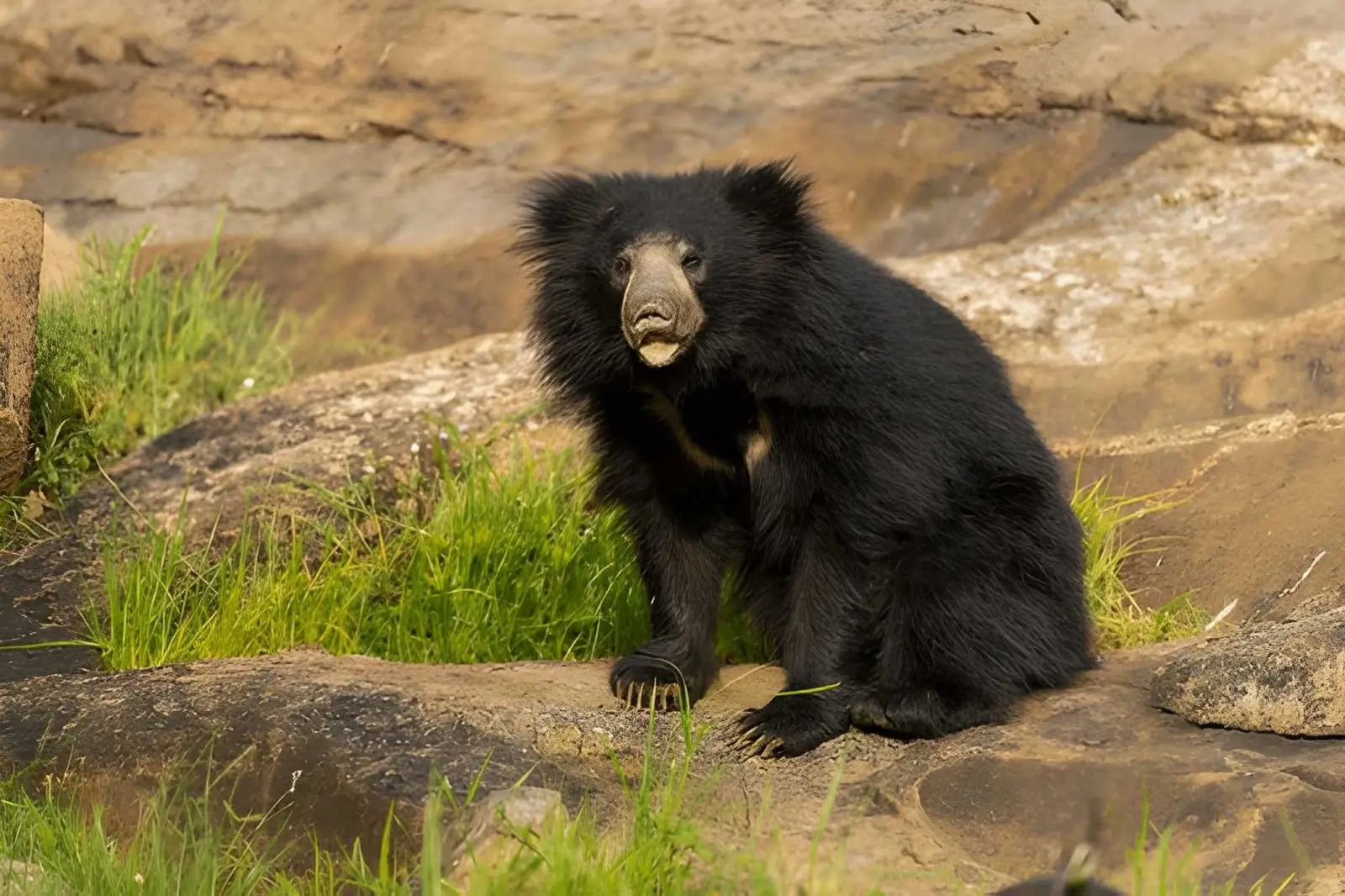
The wildlife in Satpura reserves is diverse, with 52 species of mammals and 30 species of reptiles. Notably, 14 species are classified as endangered. The Satpura National Park is home to around 50 of the majestic Royal Bengal tiger. However, their sight is not an easy glimpse in this park, so don't just wait for the tigers; instead, enjoy the overall charm of the wildlife. Leopards, on the other hand, have a high density and are more easily spotted in the park. The natural setting of these ranges makes Satpura National Park home to various other wild animals, including Gaur (Indian Bison), Dholes (Wild dog), Sambar deer, Porcupine, Languars, Chawsingha (four Horned antelopes), Sloth bear, Wild boar, Chital (Spotted Deer), Smooth otter, Pangolin, and more.
Apart from the common inhabitants, the Satpura National Park is known for some major eye-catchers due to their rarity, such as the Malabar squirrel, Indian Giant Squirrel, White Bison, and Blackbuck. Additionally, rare species like Honey badgers, Marsh crocodiles, a variety of snakes, Indian Chameleons, and Turtles like Soft-shelled Turtles contribute to the park's rich biodiversity. The park offers a captivating blend of diverse wildlife in a natural and picturesque setting.
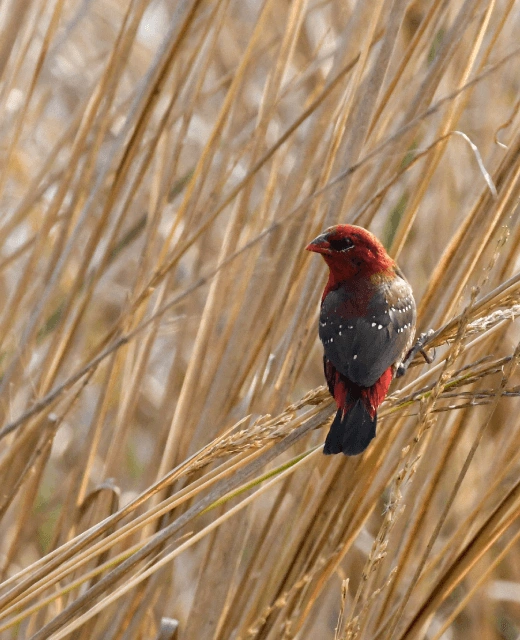
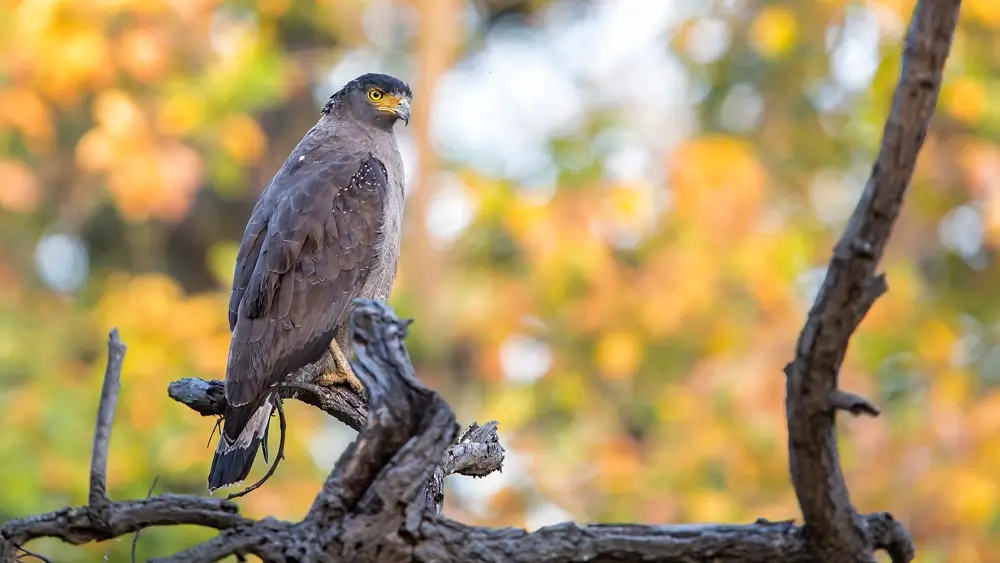
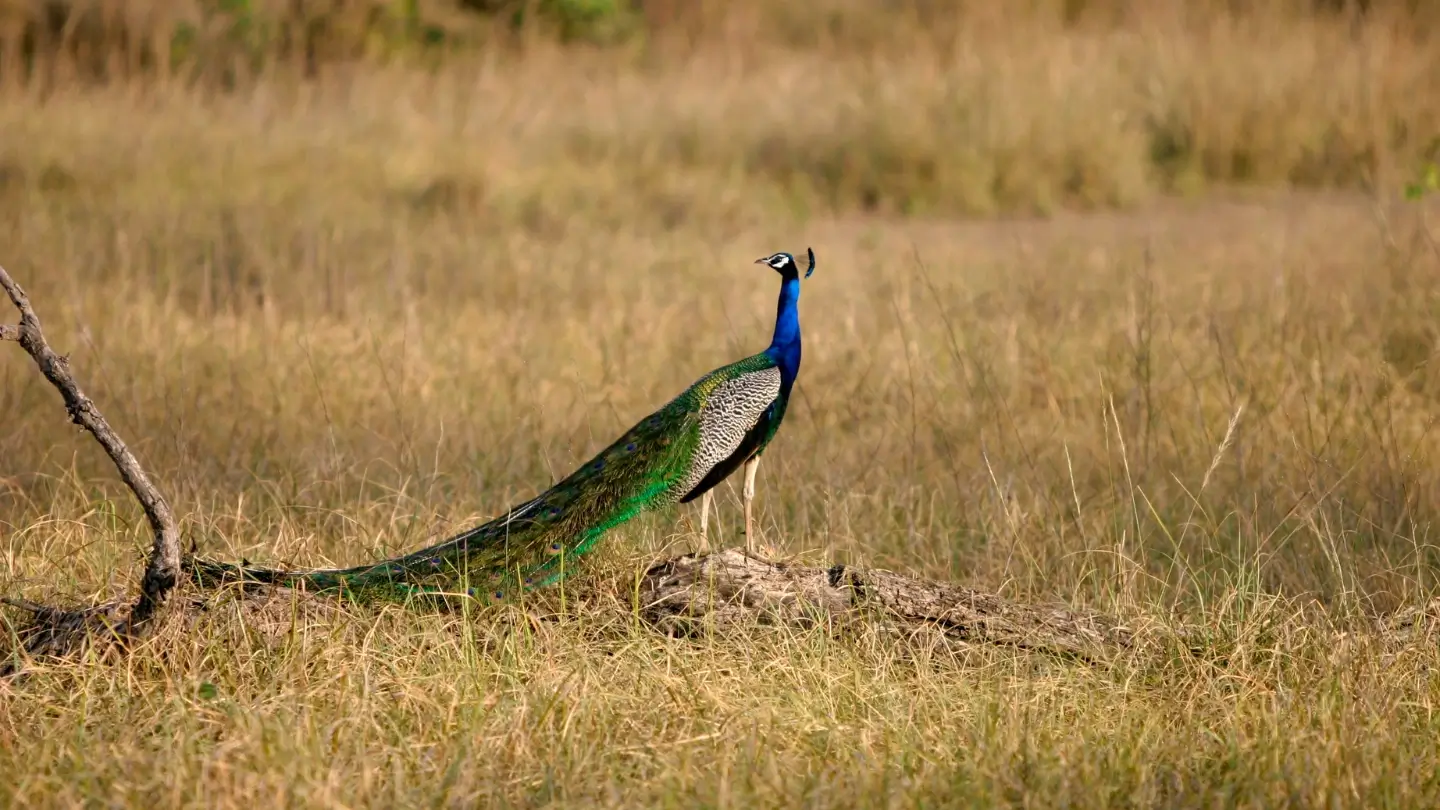
Satpura National Park is a popular place for Birdwatching as it has a high-ground biodiversity for birds. In fact, the park is most known amongst birdwatchers and was first introduced by a popular Birdwatcher - Salim Ali in 1981. Satpura National Park has over 300 species of Birds and around 130 species of butterflies documented in the park's proximity. Satpura Tiger Reserve is home to a diverse population of these avifauna. Many local bird species and a variety of migratory ones are spotted regularly during wildlife safaris in the park. The park also allows special walking safari which are more compatible for birding.
Satpura National Park has lots of water bodies including the Tawa reservoir, the Backwaters of Denwa, various waterfalls, and small water lakes. These provide a hotspot for the shorebirds. Also, the high cliffs in the ranges are home to vultures and eagles. Moreover, the bountiful area and different topography are ideal for birds to thrive in the forest.
Satpura is the only national park where walking safaris are allowed inside the park zones. Due to the low likelihood of encountering a tiger, you have the opportunity to walk in the dense forest, visit the lakes, and capture the charming fauna along the backwaters of the Denwa River. Walking safaris are conducted only with assigned expert naturalists provided by the park.
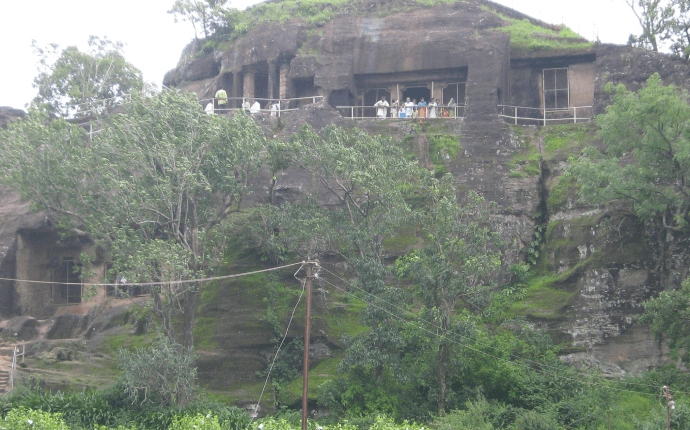
For nature lovers, a visit to Pandav Caves is a must. These five rock-cut caves have multiple backstories associated with them. One legend associates these caves with the Pandav brothers from the Mahabharata, while another suggests a connection to Buddhist monks. Anyway, what we know is, today they stand as a popular tourist attraction in Satpura National Park.
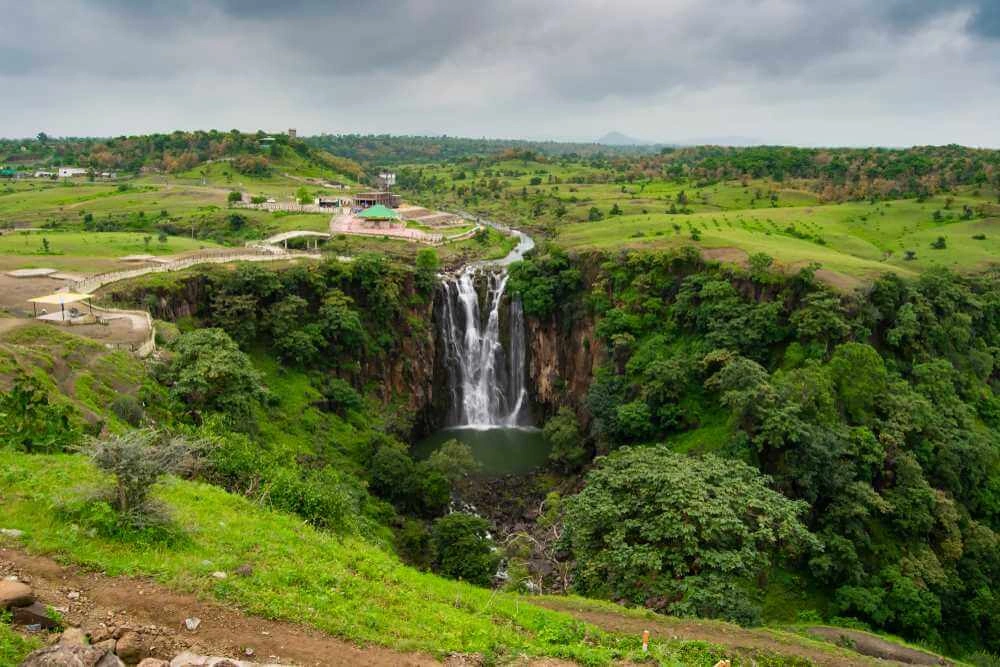
Among numerous beautiful waterfalls in the Satpura ranges, Bee Falls is the most visited due to its compelling natural aesthetics. It is one of the must-visit attractions during the wildlife tour in Satpura Tiger Reserve. Bee Fall is a perennial waterfall with a spectacular 35 metres in height and can be reached by any vehicle followed by a small walk. This site is best visited during the summer months.
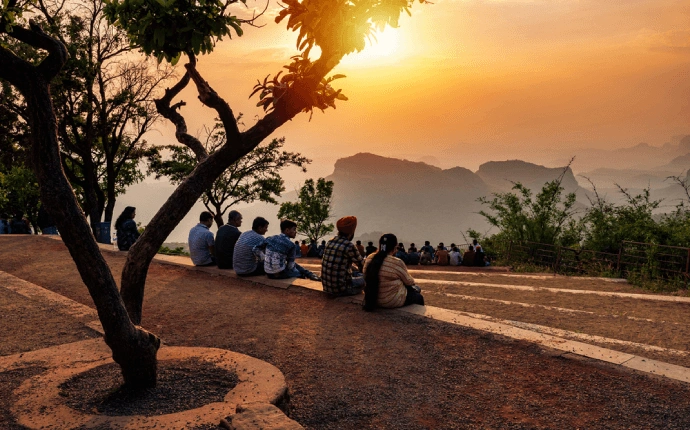
The highest point in the Satpura range offers the best sunset view, allowing you to witness the day's wrap. The best part of this sunset point is that you can either trek, ride a cycle, or take a jeep to the top. However, the place is inside the forest area thus one has to pay the forest entry fee, but not if you have already paid for the Jeep safaris in the Satpura National park.
150 kilometres from Satpura National Park are two other major tiger reserves in Madhya Pradesh that you must visit. Both national parks are renowned not only for being prime locations for tiger sightings but also for other amazing animals, such as the majestic Barasingha, and picturesque panoramas.
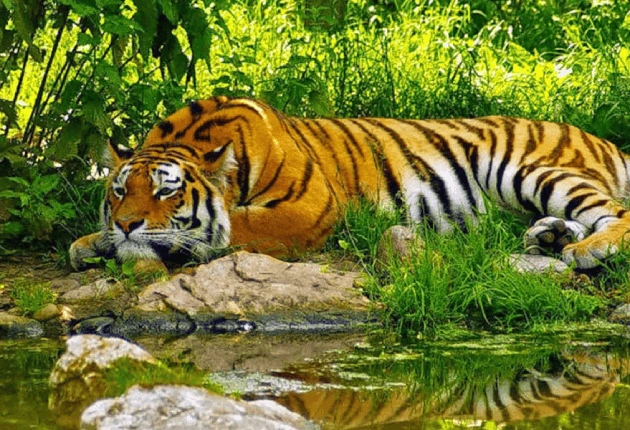
Safaris in Satpura National Park is a combination of witnessing the rare and exotic wildlife with the heart-soothing landscape calming the heartbeats of nature lovers. Satpura Tiger Reserve offers various options to explore its proximity to its visitors. There are options including a usual jeep safari, an enjoyable walking safari in the cores, a Canoe in the Backwaters and Birding for the enthusiasts. Unlike other major National Parks of Madhya Pradesh, Satpura National Park stays less crowded thus serving a unique and more pleasurable time alone in the wild. The tiger safari in Satpura national park will take you through dense forests with wild calls, every now and then, huge backwaters setting a lovable landscape, open grass meadows to get clear glimpses and pictures of wild activities, and the high hills of Satpura mountain ranges. You can also explore this wildlife with an on-foot walking safari while accompanying an expert naturalist to get a closer peek at the world unknown to you.
The regular safaris are done in two shifts in every zone throughout the day. One in the morning and another in the afternoon. The timing for each wildlife safari depends on the sunrise and sunset of the relative season, however, the morning safari lasts for approximately 4-5 hours and the afternoon safari for approximately 3 hours. Safaris at both times are enjoyable and show you the different shades of the park.
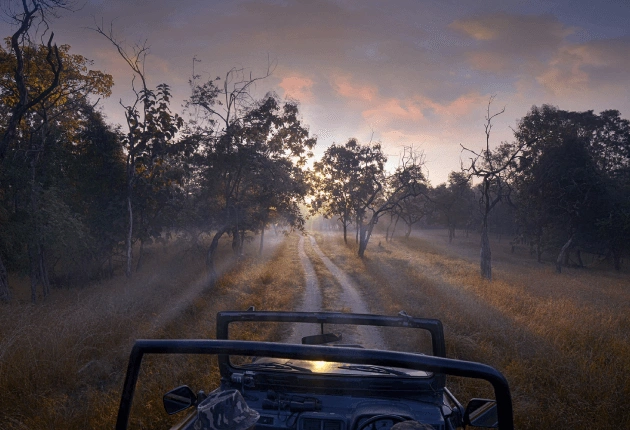
Safari Timings in Satpura National Park are dependable on the time of the sunrise and sunset in specific months. Usually, the morning safari starts 30 minutes before sunrise and the afternoon safari on Wednesdays are closed in the park.
| Morning | Afternoon | |
|---|---|---|
| October - February | 6:00/6:30 am to 11:30 am | 3:00 pm - 5:30/6:00 pm |
| March - June | 5:30 - 11:30 | 4:00 pm - 6:45/7:00 pm |
*These are the general timings for the safari, please confirm the exact time for your safari from the forest officials a day prior to the safari.
Satpura National Park is divided into core zones and buffer zones. There are four core zones in Satpura Tiger Reserve named Bheemkund (Churna), Madhai, Mallpura, and Panaarpani(Pachmarhi). The core zones are the main rich biosphere area of the tiger reserve which acts as the hotspot zones for wildlife encounters. Core zones restrict any unauthorised human activity in them to maintain the natural charm of the park and to provide a safe ground for wildlife.
There are four buffer zones to the Satpura National Park named Burgodi (Pipariya), Jamani Dev, Parsapani, and Tamia Delakhari. Buffer zones are the area where fewer animals and a small fraction of human life coexists. some of the buffer zones in the park are open throughout the year, offering you the wildlife experience in monsoon season too.
Additionally, the park is surrounded by some additional areas known as the reserved zone. This area makes a virtual boundary to the park and allows controlled human activities and construction.
The enchanting beauty of Satpura National Park can be experienced in every season. Winters are misty and cold, summers offer a unique sight of animals and monsoons emerge with lush greenery. However, the best time to visit Satpura National Park is from October to June. During this period, core safari zones are open, providing opportunities for jungle safaris. While the park is officially open from October to June, activities continue in the buffer zones from July to September. The monsoon, with its abundant rainfall, adds to the park's allure, but core zones are temporarily closed in monsoon due to trail conditions.
Winters (November to February)The weather stays misty and cold, ideal for observing animal behaviour. This is the prime period with a high tourist influx, including international visitors.
Summer (March to June)Temperature may exceed 40 °C in these months but wild animals in Satpura National Park also frequently visit waterholes which serve higher chances of wildlife sightings in summer. These months also coincide with school holidays, attracting domestic tourists, especially on weekends.
Monsoon (July to September)These months see healthy rainfall in the area making the forest area pleasant. However regular waterfall makes most of the areas inaccessible, as a result, the core zones are closed in monsoon. Nevertheless, you can still visit the park for birding and nature walks in the buffer zone.
Satpura Tiger Reserve is easily accessible from various parts of India through road, air, and train. The closest airport is in Bhopal, located 176 km to the northwest. Itarsi, a major railway junction, is just 70 km away, ensuring convenient train connectivity. The national park is situated 19 km from a prominent state highway and 70 km from National Highway 12.
Satpura National Park is well-connected by road, especially from cities like Bhopal, Jabalpur, Chhindwara, and Nagpur. It is in the Hoshangabad district, close to Pachmarhi hill station, making road travel convenient from various places.
The nearest railway station is Sohagpur, approximately 20 km from the national park. Alternatively, Pipariya railway station, about 45 km away, serves as a better-connected option with more train services. Stations like Piparia, Sohagpur, Itarsi, Hoshangabad, Bhopal, and Nagpur are suitable points for reaching Satpura, with multiple daily trains available.
For air travel, the nearest airport is Bhopal, which has direct flights from major cities like Delhi, Mumbai, and Indore. Jabalpur Airport is another option, offering direct flights from Delhi. Nagpur Airport, although farther, is also accessible. After landing, a 4-hour drive from Bhopal or a 6-½ hour drive from Nagpur is required to reach Satpura National Park. Taxis can be pre-booked or arranged through tour operators, as options upon arrival are limited.
View this Tour

View this Tour
View this Tour
View this Tour
View this Tour
View this Tour
View this Tour
View this Tour
View this Tour
Satpura National Park is known for its healthy population of tigers and leopards, excellent birdwatching opportunities, and beautiful natural landscapes.
Major attractions include Bee Falls, Dhupgarh (sunset point), Pandav Caves, and scenic waterfalls along with jungle safaris.
Yes, Satpura offers a unique combination of wildlife, scenic beauty, and adventure activities. Its less crowded environment makes it ideal for nature lovers and wildlife enthusiasts.
Madhai and Pachmarhi are among the most popular zones, known for good wildlife sightings and scenic landscapes.
The nearest airports are Jabalpur (160 km) and Bhopal (220 km). From there, you can travel by taxi or bus to Pipariya, which is about 20 km from the park.
Satpura National Park is open from October to June and remains closed from July to September during the monsoon season.
Mobile networks are available in surrounding areas, but connectivity inside the park may be limited or patchy.
Personal vehicles are not allowed inside the park to ensure wildlife protection and visitor safety.
 +91-9212553107
 What'sApp


 Packages
 +91-9212553107