29 Apr, 2026
Historic Return After Decades: Wild Water Buffalo Reintroduced to Kanha Tiger Reserve
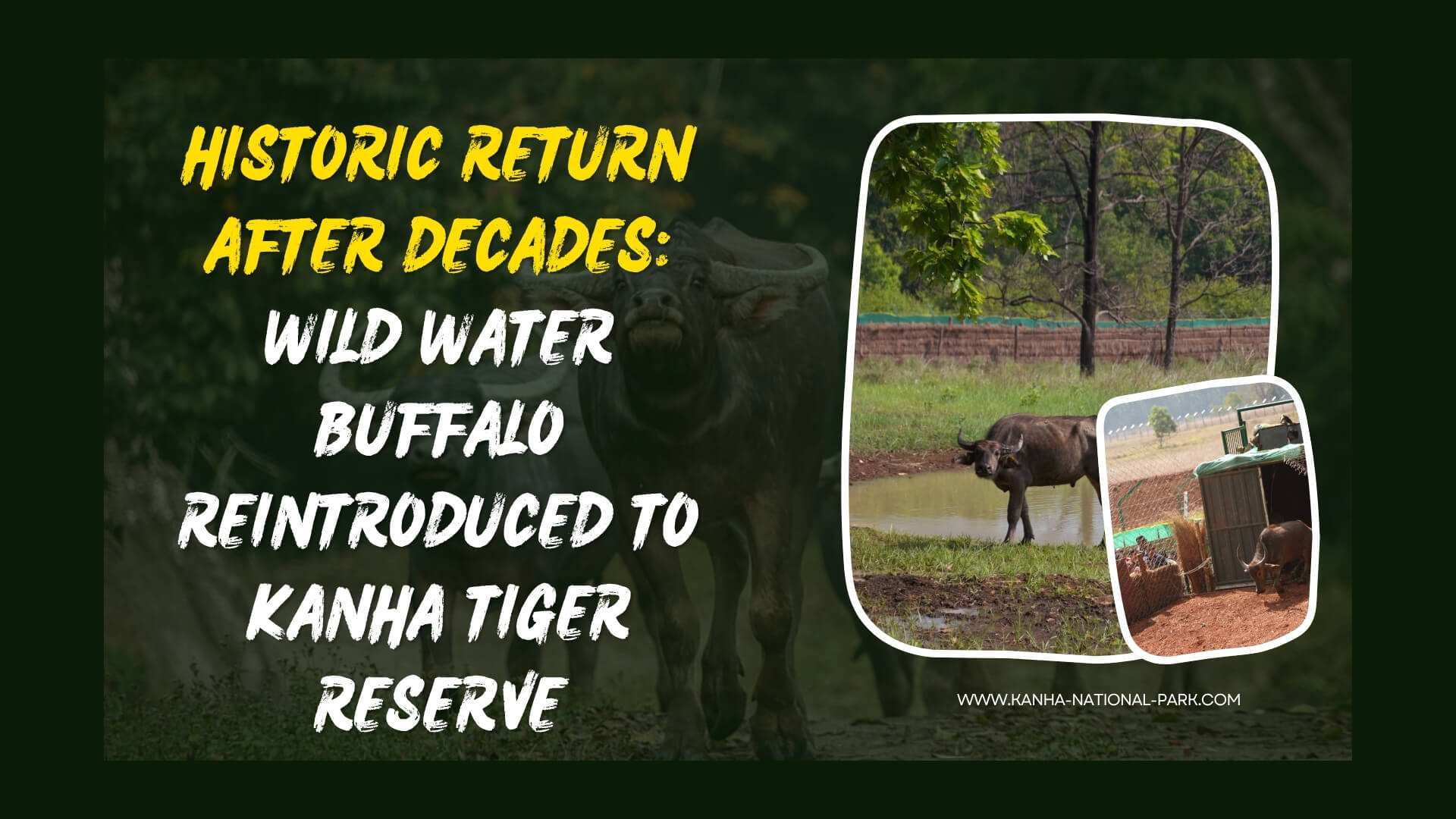
In a landmark conservation move, endangered Asiatic wild water buffalo have been reintroduced into Kanha Tiger Reserve after decades of local extinction. A group of four buffaloes; one male, three females, was translocated from Kaziranga National Park & Tiger Reserve, covering over 2000 km. This wild buffalo reintroduction in Kanha, led by Madhya Pradesh wildlife conservation authorities, marks a major step in grassland ecosystem restoration in India. The Kanha biodiversity revival project aims to rebuild a stable population and strengthen ecological balance through a phased conservation strategy.
What Happened: A Historic Wildlife Comeback?
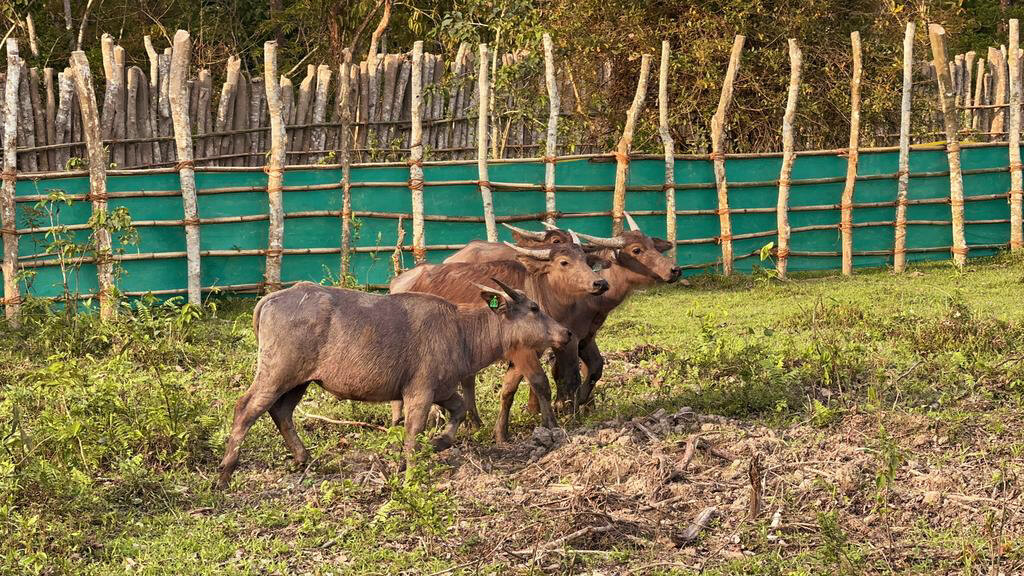
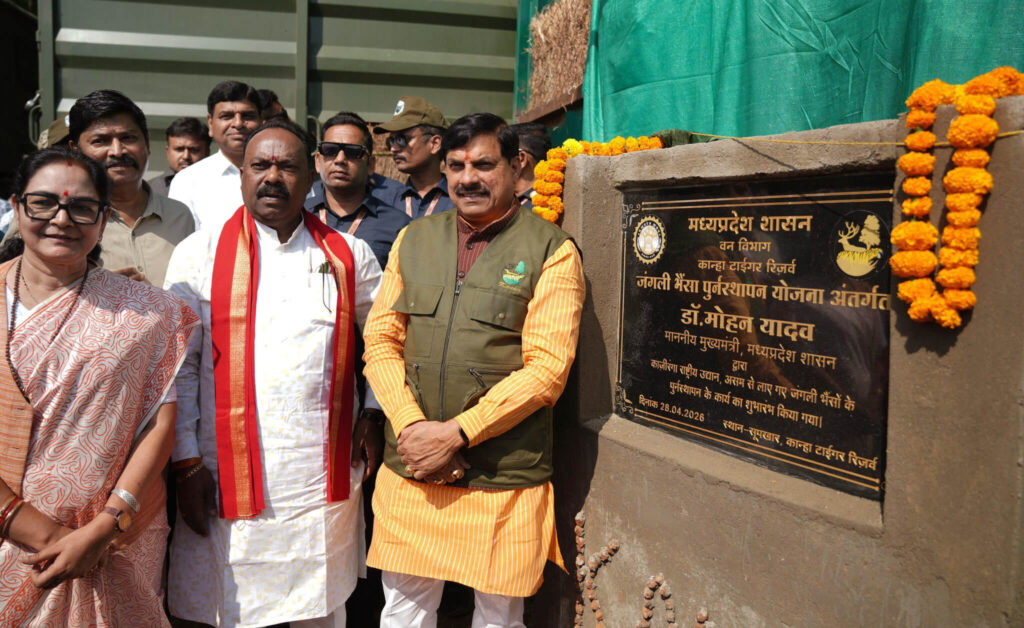
The reintroduction was formally carried out under the supervision of Mohan Yadav, who termed it a “historic moment” for the state’s conservation journey.
After decades, wild water buffalo have been reintroduced to Kanha Tiger Reserve — restoring balance to the जंगल ecosystem.#KanhaTigerReserve #WildlifeIndia #ConservationSuccess pic.twitter.com/P4Gdgz9Ypt
— Tour My India (@TourMyIndiaa) April 29, 2026
- 4 wild buffaloes released (1 male, 3 females).
- Transported over ~2000 km from Assam to Madhya Pradesh.
- Reintroduced in the Supkhar range of Kanha.
- First such return after decades of absence in the region.
A new chapter begins in Kanha!
— Tour My India (@TourMyIndiaa) April 29, 2026
Wild water buffalo are back after decades — a symbol of hope for India’s biodiversity.#Kanha #Biodiversity #WildlifeConservation #IndiaNature #WildBuffalo pic.twitter.com/BAMM0s8cOX
This marks the revival of a species once integral to central India’s forest ecosystems.
Why This Matters: Ecological Impact?
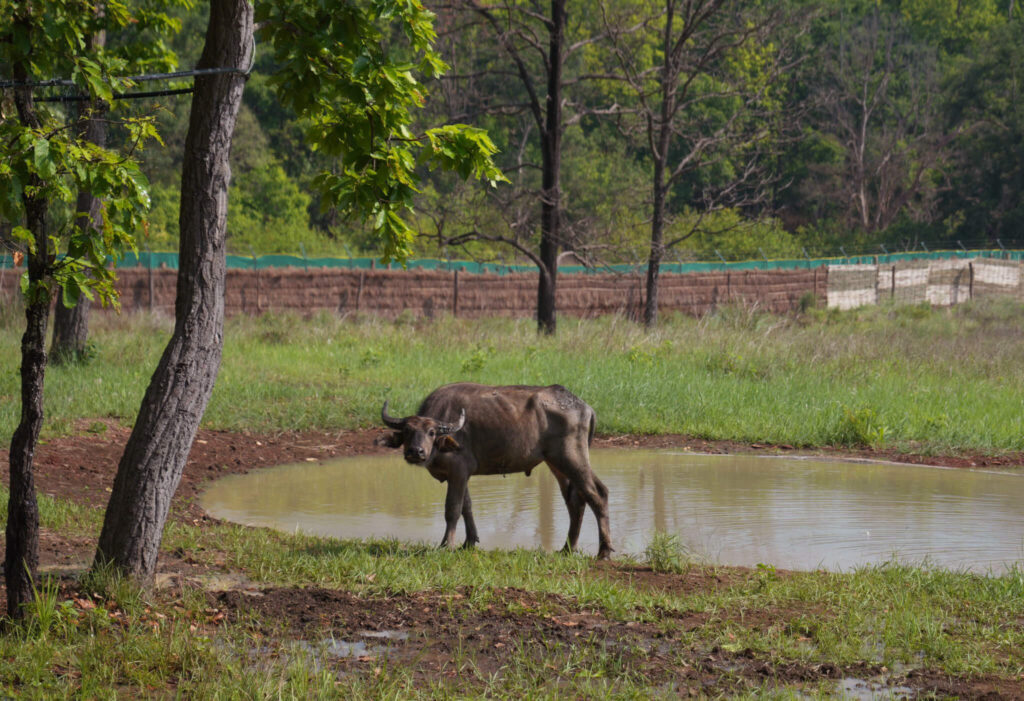
The Asiatic wild water buffalo (Bubalus arnee) is not just another species, it plays a critical ecological role.
- Acts as a mega-herbivore shaping grassland ecosystems.
- Helps control tall grass growth naturally.
- Supports habitat diversity and biodiversity balance.
- Rebuilds missing ecological links in Kanha’s grasslands.
Experts believe this move will significantly strengthen long-term ecosystem stability in the reserve.
How the Reintroduction Is Being Done?
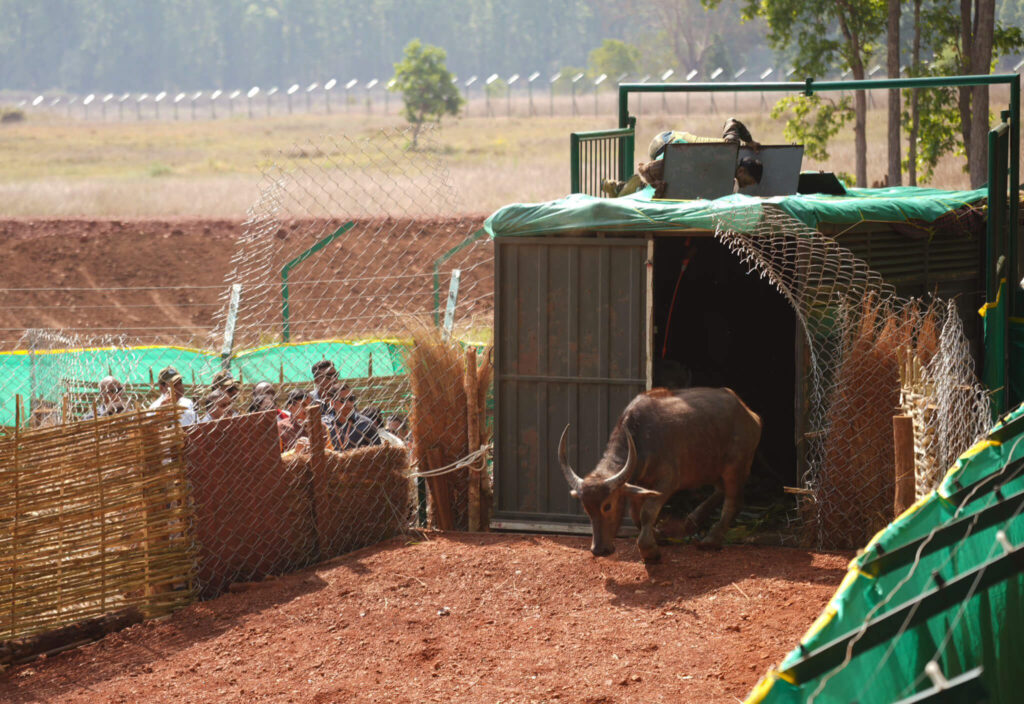
The project follows a carefully designed scientific conservation protocol to ensure the safe and successful adaptation of the animals into their new habitat.
- A soft release method is being used, where the buffaloes are first kept inside controlled enclosures, known as bomas, within Kanha Tiger Reserve. This allows them to gradually adjust to the local environment before being fully released into the wild, significantly reducing stress and improving survival chances.
- Before the translocation, the animals underwent extensive pre-relocation preparation at Kaziranga National Park. They were carefully selected, monitored, and kept under quarantine conditions, with continuous veterinary supervision to ensure they were healthy and fit for the long journey.
- The transportation process itself was meticulously managed, involving a multi-day road journey of over 2000 km. Throughout the transit, the buffaloes were under constant observation by expert wildlife teams, with proper arrangements for food, hydration, and medical care.
This end-to-end monitoring ensured that the animals reached Kanha safely and in stable condition, ready for the next phase of reintroduction.
The Bigger Plan: Scaling the Population
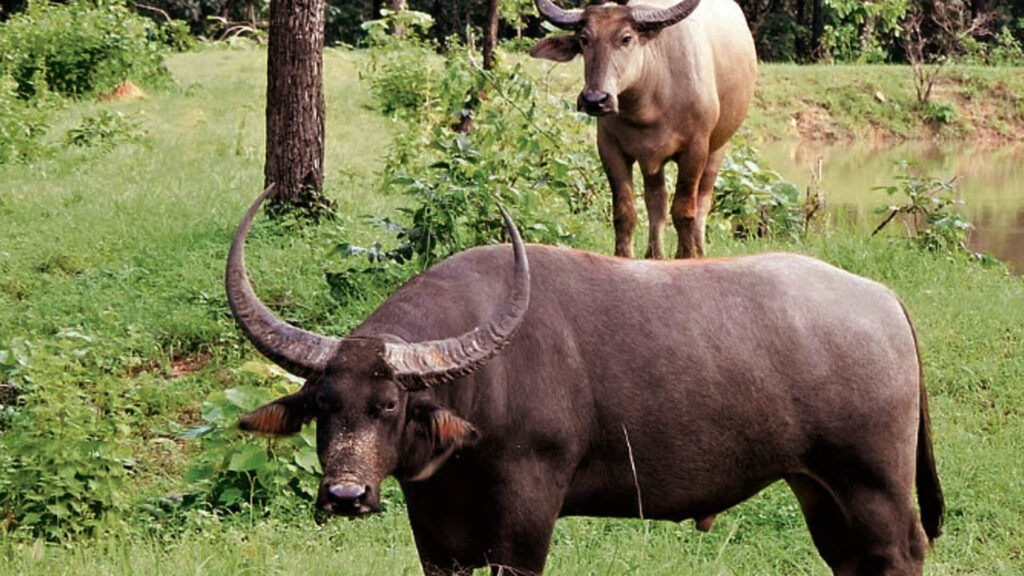
This is just the beginning of a much larger conservation effort.
- Target: ~50 wild buffaloes to be relocated to Kanha.
- Multi-phase programme already underway.
- Additional batches expected soon.
- Aim: Establish a self-sustaining breeding population.
- The initiative is being seen as one of India’s most ambitious wildlife translocation projects.
A Strong Conservation Partnership
The project highlights effective inter-state collaboration:
- Joint effort between Madhya Pradesh and Assam forest departments.
- Scientific backing from Wildlife Institute of India.
- Knowledge-sharing between conservation teams.
This cooperation sets a benchmark for future wildlife restoration projects in India.
The return of wild buffalo to Kanha National Park is more than a symbolic event, it represents a strategic ecological restoration effort. With scientific planning, interstate collaboration, and long-term vision, this initiative strengthens India’s position in wildlife conservation and biodiversity revival.